


Introduction
Shipping goods by sea, air, road, or parcel involves risks such as accidental damage, theft, loss, and other unexpected events. Cargo insurance helps businesses protect the financial value of their shipments when covered losses occur.
So, how much does cargo insurance cost? There is no single price for every shipment. The cargo insurance cost depends on factors such as the value and type of goods, transportation mode, shipping route, coverage selected, deductible, and policy terms.
For example, a business shipping $50,000 of general merchandise may receive a different cargo insurance quote from another business shipping $50,000 of high-value electronics. Even when the shipment value is the same, the level of risk can affect the insurance premium.
In this guide, we explain how cargo insurance rates are calculated, what affects the premium, what coverage typically includes, and how businesses can manage their insurance costs without sacrificing important protection.
What Is Cargo Insurance and Why It Matters
Cargo insurance is a type of coverage that protects goods while they’re being transported—whether by sea, air, land, or parcel. It’s designed to cover financial losses if your cargo gets damaged, delayed, or lost during transit.
Many businesses assume their shipments are safe, but the reality is: accidents happen. From theft and rough handling to customs delays and natural disasters, your cargo faces multiple risks at every stage of the journey.
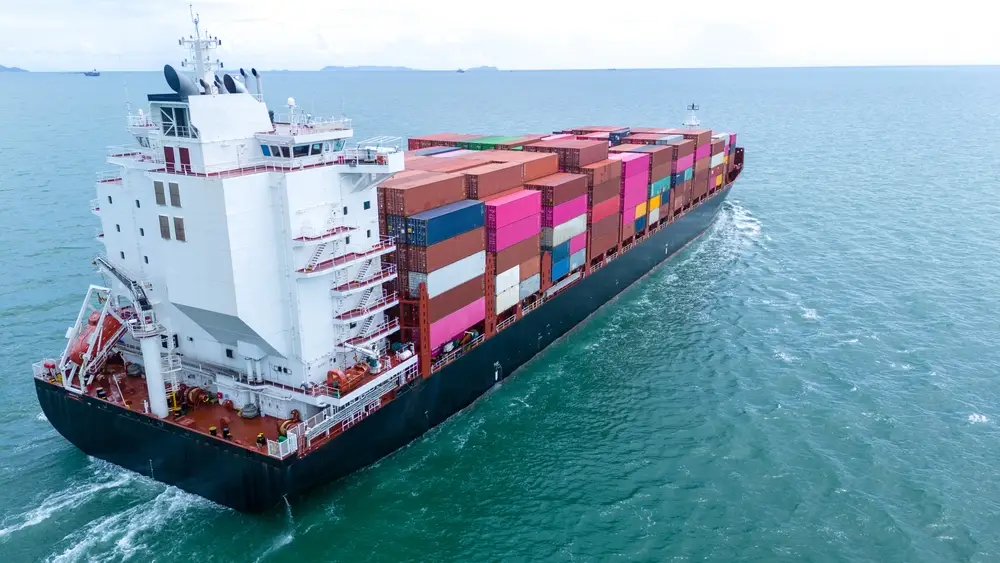
For exporters, freight forwarders, and e-commerce sellers, understanding how much does cargo insurance cost isn’t just about budgeting—it’s about peace of mind. Since the average cost of cargo insurance depends on your cargo type, route, and shipping method, choosing the right coverage ensures that one unexpected incident doesn’t turn into a major financial setback.
What Factors Affect Cargo Insurance Cost?
Several factors can influence your cargo insurance cost. Insurers typically assess the shipment’s value, risk, transportation method, and coverage requirements before providing a cargo insurance quote.
1. Cargo Value
The higher the value of your shipment, the greater the potential financial exposure. A $100,000 shipment will generally require more insurance than a $10,000 shipment, assuming similar risk and coverage terms.
2. Type of Goods
The nature of the cargo also matters. High-value electronics, fragile products, refrigerated goods, hazardous materials, and other specialized cargo may carry different risk levels than standard merchandise.
3. Transportation Mode
Sea, air, road, and parcel shipments have different risks and handling conditions. Your cargo insurance rates may therefore vary depending on how the goods are transported.
4. Route and Destination
The origin, destination, transit route, and handling points can affect the insurer’s assessment of risk. A shipment passing through multiple locations may have different coverage requirements from a straightforward transit.
5. Coverage and Deductible
Broader coverage can increase the cargo insurance premium, while a higher deductible may reduce the premium because the policyholder accepts more of the initial loss.
6. Shipping Frequency and Claims History
Businesses that ship regularly may have different policy options from occasional shippers. An insurer may also consider previous claims and the overall risk profile when determining the appropriate premium and policy terms.
How Much Does Cargo Insurance Cost by Transport Mode?
The cargo insurance cost can vary depending on how your goods are transported. Sea freight, air freight, land transport, and parcel shipments each involve different risks, coverage requirements, and policy terms.
1):- Marine and Sea Freight
Marine cargo insurance covers goods transported by sea and may protect against covered risks such as physical loss or damage during transit. The premium depends on factors such as cargo value, commodity, voyage, coverage, and deductible.
2):- Air Freight
Air cargo insurance is often used for high-value or time-sensitive shipments. The cargo insurance premium depends on the value and nature of the goods, route, coverage, and other underwriting factors.
3):- Land Transport
For road transportation, the insurer may consider the cargo value, type of goods, route, vehicle or transit conditions, and selected coverage when calculating the cargo insurance rate.
4):- Parcel Shipments
Parcel insurance can cover individual packages or consignments, depending on the provider and policy. The price may depend on the declared value, destination, item type, and selected protection.
There is no universal “cheapest” transport mode for cargo insurance. The actual cargo insurance cost depends on the specific shipment and the coverage required, so businesses should compare quotes based on equivalent coverage rather than premium alone.
How Is Cargo Insurance Calculated?
The basic way to estimate cargo insurance cost is to multiply the insured value of the shipment by the applicable insurance rate, then add any applicable fees, taxes, or charges.
Estimated Cargo Insurance Cost = Insured Value × Insurance Rate + Applicable Fees
For example, suppose a business is shipping goods with an insured value of $50,000 and receives an illustrative insurance rate of 0.3%:
$50,000 × 0.3% = $150
So, the estimated premium would be $150 before any applicable fees or taxes.
However, the amount used as the insured value may depend on the policy terms. It may not always be identical to the invoice value, so businesses should confirm how the insurer determines the value of the shipment.
The final cargo insurance quote can also change based on the cargo type, transport mode, route, coverage, deductible, exclusions, and other underwriting factors.
For this reason, an online cargo insurance calculator can provide a useful estimate, but an insurer or broker will generally need the actual shipment details to provide an accurate premium.
Calculate Your Cargo Insurance Cost Instantly
Enter your shipment value, transport mode, and cargo type to get an estimated cargo insurance premium based on your shipment details.
What Does Cargo Insurance Cover?
Cargo insurance protects the financial value of goods against covered loss or damage during transit. The exact protection depends on the policy, coverage type, exclusions, and applicable terms.
Common areas of coverage may include:
- Accidental physical damage to goods during transportation
- Theft or non-delivery, when covered by the policy
- Loss caused by covered transit risks, such as certain accidents or natural events
- Damage during handling or transit, depending on the selected coverage
- Loading and unloading risks, when included in the policy
- Specific risks or additional protections added through endorsements
It is important to understand that cargo insurance does not automatically cover every shipping problem. Delays, poor packaging, inherent defects, wear and tear, and other exclusions may not be covered unless the policy specifically provides protection.
Before comparing cargo insurance rates, check exactly what risks are covered. A slightly higher cargo insurance premium may provide substantially broader protection than a cheaper policy with significant exclusions.
What Does Cargo Insurance Usually Exclude?
Cargo insurance does not cover every type of loss automatically. Exclusions vary by policy, but businesses should carefully review them before choosing coverage.
Common exclusions or limitations may include:
- Poor or inadequate packaging that causes damage during normal transit
- Normal wear and tear or gradual deterioration
- Inherent vice, where the nature of the goods itself causes the loss or damage
- Mechanical or electrical breakdown when it is not caused by an insured transit risk
- Delay-related losses, such as lost profits or business interruption, unless specifically covered
- Unattended or improperly secured cargo, depending on the policy conditions
- Losses outside the covered transit or geographical limits
- Certain hazardous or restricted goods unless properly declared and specifically accepted
For example, if refrigerated goods spoil because the required temperature conditions were not maintained, the claim outcome will depend on the policy wording and whether temperature-related risks were covered.
This is why comparing only the cargo insurance price can be misleading. Before purchasing coverage, check the exclusions, conditions, deductible, limits, and claims requirements alongside the premium.
Is Carrier Liability the Same as Cargo Insurance?
No. Carrier liability and cargo insurance are different.
- Cargo insurance protects the value of your goods against covered risks, subject to the policy terms.
- Carrier liability covers a carrier’s legal or contractual responsibility for loss or damage, which may be limited.
- Freight forwarder liability covers certain liabilities arising from the forwarder’s logistics services.
For example, if a $50,000 shipment is damaged, the carrier may not be responsible for the full cargo value. Cargo insurance can provide broader protection when the loss is covered by the policy.
So, when comparing cargo insurance cost, look at the actual coverage, limits, exclusions, and deductible—not just the premium.
Does More Coverage Always Mean a Higher Cargo Insurance Cost?
Not necessarily. Broader coverage can increase the cargo insurance premium, but the final cost depends on several factors, including the cargo value, risk profile, deductible, policy limits, and coverage terms.
Businesses may encounter different coverage structures, such as:
- Broader coverage: Protects against a wider range of covered risks and may carry a higher premium.
- Named-perils coverage: Covers only the specific risks listed in the policy.
- Limited coverage: Provides protection for selected risks or specific circumstances.
The right choice depends on the potential financial impact of a loss. Choosing the lowest cargo insurance price without reviewing exclusions and limits can leave a business underinsured.
Before purchasing a policy, compare the coverage, exclusions, deductible, limits, and claims conditions alongside the premium. This gives you a clearer picture of the actual value of the insurance.
How Does Deductible Affect Cargo Insurance Cost?
A deductible is the amount the insured may be responsible for paying toward a covered loss before the insurer pays the remaining eligible amount, subject to the policy terms.
The deductible can affect your cargo insurance cost. In some policies, choosing a higher deductible may reduce the premium because the policyholder takes on a larger portion of the potential loss.
When comparing cargo insurance quotes, don’t look at the premium alone. Consider:
- Premium: What you pay for the insurance.
- Deductible: What you may have to pay toward a covered claim.
- Coverage limit: The maximum amount the policy may pay.
- Exclusions: Losses or circumstances the policy does not cover.
A lower premium with a significantly higher deductible may not be the best choice for every business. The right balance depends on your shipment value, risk tolerance, shipping frequency, and cash flow.
Is Cargo Insurance Worth the Cost?
Yes, cargo insurance can be worth the cost when the potential financial loss from damaged, lost, or stolen goods is much higher than the insurance premium.
It can be especially useful for high-value, fragile, temperature-sensitive, or large commercial shipments. Before buying coverage, compare the cargo insurance cost, deductible, coverage limits, and exclusions.
The right policy should provide meaningful protection without paying for coverage your business does not need.
How Can You Lower Cargo Insurance Cost?
You may be able to reduce your cargo insurance cost by improving risk management and choosing coverage that matches your actual shipping needs. However, reducing the premium should not mean removing protection that your business depends on.
1. Provide Accurate Shipment Details
Give the insurer accurate information about your cargo value, commodity, route, transport mode, and shipping frequency. Complete information can help the insurer assess the risk correctly and provide a more suitable cargo insurance quote.
2. Choose an Appropriate Deductible
A suitable deductible may help balance your premium with the amount your business can comfortably absorb if a covered loss occurs.
3. Improve Cargo Security
Use appropriate packaging, tracking, secure storage, documented handoffs, and other risk-control measures relevant to your shipments. Strong procedures can help reduce preventable losses.
4. Avoid Unnecessary Coverage
Review your actual risks and policy requirements instead of paying for protections your business does not need. At the same time, avoid removing important coverage simply to obtain a lower premium.
5. Compare Equivalent Quotes
When comparing cargo insurance rates, make sure the quotes provide similar coverage limits, deductibles, exclusions, and conditions. A lower premium is not necessarily a better deal if the policy provides substantially less protection.
How to Get an Accurate Cargo Insurance Quote
To get an accurate cargo insurance quote, provide complete and up-to-date information about your shipment. The more precise the shipment details are, the easier it is for the insurer to assess the risk and determine the appropriate premium.
You may need to provide:
- Cargo value: The value you want to insure.
- Type of goods: A clear description of the commodities being shipped.
- Transport mode: Sea, air, road, parcel, or a combination of modes.
- Origin and destination: Where the shipment starts and where it will be delivered.
- Transit details: Relevant routing, handling, or storage information.
- Coverage required: The risks and level of protection you want covered.
- Deductible: The amount you are willing to retain for a covered loss.
- Shipping frequency: Whether you need coverage for a single shipment or recurring shipments.
- Previous claims or relevant risk information: When requested by the insurer.
Once these details are reviewed, the insurer or broker can provide a cargo insurance premium based on the shipment’s risk and selected coverage.
For businesses shipping regularly, working with a cargo insurance coverage provider that understands their routes, cargo types, and shipping patterns can also make the quoting process more efficient.
Common Mistakes to Avoid When Buying Cargo Insurance
Focusing only on the cargo insurance price can lead to inadequate protection. Before choosing a policy, businesses should consider the following common mistakes:
1. Choosing the Cheapest Quote
The lowest cargo insurance quote may have higher deductibles, narrower coverage, or more exclusions. Compare the actual protection offered, not just the premium.
2. Underinsuring the Shipment
Using an incorrect or incomplete insured value can leave your business exposed if a covered loss occurs. Confirm how the insurer determines the value of the goods.
3. Ignoring Policy Exclusions
Always review exclusions and conditions before purchasing coverage. Risks such as delay, inadequate packaging, or inherent defects may be excluded or subject to specific conditions.
4. Assuming Carrier Liability Is Enough
A carrier or freight forwarder’s liability may be limited and does not necessarily protect the full value of your cargo. Understand the difference between liability coverage and cargo insurance.
5. Not Comparing Equivalent Coverage
When comparing cargo insurance rates, make sure the policies have similar limits, deductibles, coverage, and exclusions. Otherwise, a cheaper premium may simply reflect less protection.
6. Providing Incomplete Shipment Information
Incorrect details about the cargo, value, route, or transportation method can affect underwriting and may create problems during the cargo claims process. Provide accurate information when requesting coverage.
Also Read: 10 Cargo Insurance Mistakes That Cost Shippers Money (And How to Avoid Them)



15 Responses