
Marine Cargo
Insurance Singapore

line

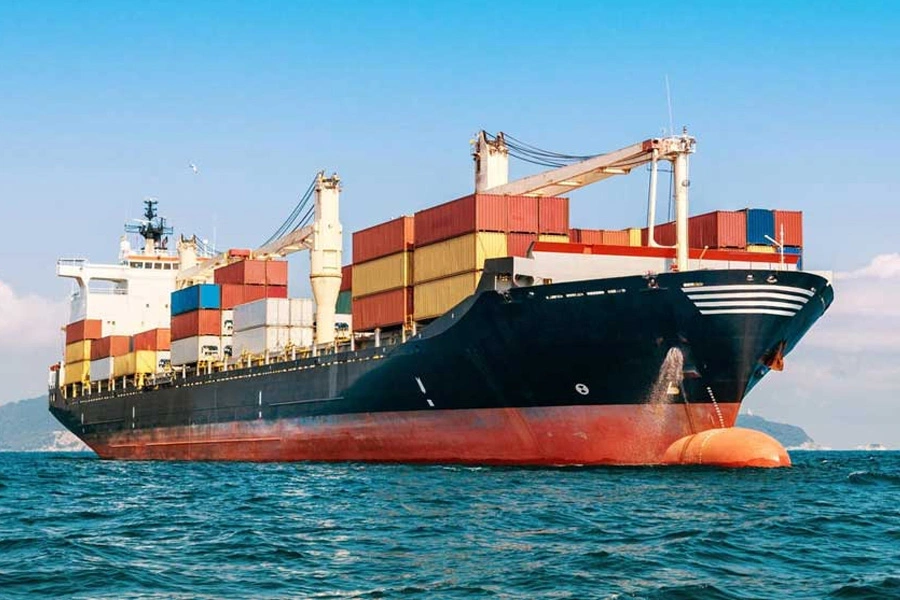
Protect your goods during sea transit with coverage tailored to your cargo, shipment value, route, and risk exposure. CargoInsurePro is a specialist marine cargo insurance brokerage helping importers, exporters, traders, and freight forwarders arrange suitable protection for imports, exports, and transshipment through Singapore.

What Does Marine Cargo Insurance Cover?

Marine cargo insurance in Singapore can protect insured goods against covered physical loss or damage during sea transit. Depending on the selected coverage and policy terms, protection may also extend to theft, handling-related damage, General Average contributions, and certain salvage costs. The appropriate coverage depends on your cargo, shipment value, route, transit conditions, and applicable policy terms and exclusions.

Loss, Damage & Theft in Transit

Marine cargo insurance can protect your goods against covered physical loss or damage during the sea voyage. Depending on the selected coverage, protection may also apply to theft or non-delivery when the policy specifically covers these risks. The policy wording determines the covered events, conditions, limits, and exclusions for each shipment.

General Average & Salvage Contributions

A maritime emergency, such as a fire, grounding, or severe weather event, can result in General Average or salvage expenses. Cargo interests may have to contribute toward eligible costs even when their goods remain undamaged. Marine cargo insurance can cover an insured cargo owner's eligible contribution when the selected coverage provides this protection.

Weather & Handling Damage

Rough seas, storms, loading, unloading, and other cargo-handling activities can expose goods to physical damage. Marine cargo insurance may respond when the resulting loss falls within an insured risk and meets the policy conditions. The actual protection depends on the selected coverage, cargo, route, and applicable exclusions.

Storage & Transshipment Risk

Cargo moving through Singapore may spend time at terminals, warehouses, or during transshipment between vessels. Depending on the policy, coverage can extend to specified storage or transshipment periods and locations. Businesses should check their policy terms to confirm when coverage begins, ends, and applies during these stages.

Port, Terminal & Handling Risks

Singapore's ports and terminals are key points where cargo may be loaded, unloaded, transferred, or temporarily handled. If a covered event causes physical loss or damage during these operations, marine cargo insurance may respond according to the policy terms. Port congestion or delay alone does not automatically constitute an insured loss.

icon-6

Container & Packaging Risks

Container failures, damaged seals, water ingress, or other container-related incidents can contribute to cargo damage. Marine cargo insurance may cover resulting loss when the event falls within the insured risks. However, inadequate packaging, inherent characteristics of the goods, or other excluded causes may affect whether a claim is covered.

Marine Cargo Insurance cost in Singapore

How Much Does Marine Cargo Insurance Cost in Singapore?

Marine cargo insurance costs in Singapore depend on your cargo value, type of goods, shipping route, selected coverage, and risk exposure. A common pricing approach is to apply an agreed insurance rate to the insured value of the shipment.

Premium = Insured Value × Agreed Insurance Rate

For many cargo arrangements, the insured value may be based on CIF value + 10%, depending on the policy, Incoterms, and underwriting requirements. This 10% is an insured-value uplift, not a standard Singapore-wide premium rate. 

Use our Marine Cargo Insurance Calculator to estimate your cost based on your shipment details.

Singapore Incoterms
& Marine Cargo Insurance

Incoterms define transport, insurance, and risk responsibilities. Under CIF, the seller generally arranges insurance, while under FOB, the buyer generally arranges it.

Marine Cargo Insurance Coverage Types: ICC Clauses & Risk Comparison

Marine cargo insurance coverage in Singapore offers different levels and structures of protection depending on your cargo, shipment risk, and insurance needs. Understanding ICC clauses, All Risk vs Named Perils, and single-shipment vs annual coverage helps you choose protection that fits your Singapore shipping requirements.

icon-1

ICC A vs B vs C

ICC (A) generally provides the broadest marine cargo insurance protection, while ICC (B) and ICC (C) cover more specifically defined risks. For high-value, fragile, or higher-risk shipments, ICC (A) is generally the stronger choice for broader protection, subject to policy terms and exclusions.

icon-2

All Risk vs Named Perils

All Risk coverage, such as ICC (A), generally covers accidental loss or damage unless excluded, while Named Perils covers only listed risks. For high-value cargo or shipments involving multiple handling points, the broader protection of All Risk is often the more suitable choice, subject to policy terms.

icon-3

Single Shipment vs Annual Coverage

Single-shipment coverage protects an individual cargo movement, while annual coverage can protect multiple eligible shipments during the policy period. Single-trip cover can suit occasional shippers, while annual or open-cover arrangements may be more practical for businesses shipping regularly, subject to policy terms.

Ready to Protect Your Next Shipment?

*Get marine cargo insurance in Singapore based on your cargo, shipment value, route, and coverage needs.** Start with an instant online quote or speak with our experts if you need help selecting suitable protection.

Why Choose CargoInsurePro for Marine Cargo Insurance in Singapore?

Selecting the right marine insurance company in Singapore is crucial for protecting your shipments. At CargoInsurePro, we combine global expertise with local market knowledge to deliver reliable coverage for businesses of all sizes.

Here’s why businesses trust us:

With CargoInsurePro, you get more than just insurance—you get peace of mind knowing your cargo is fully covered.

Marine Cargo Insurance coverage in Singapore

Singapore-Specific Coverage

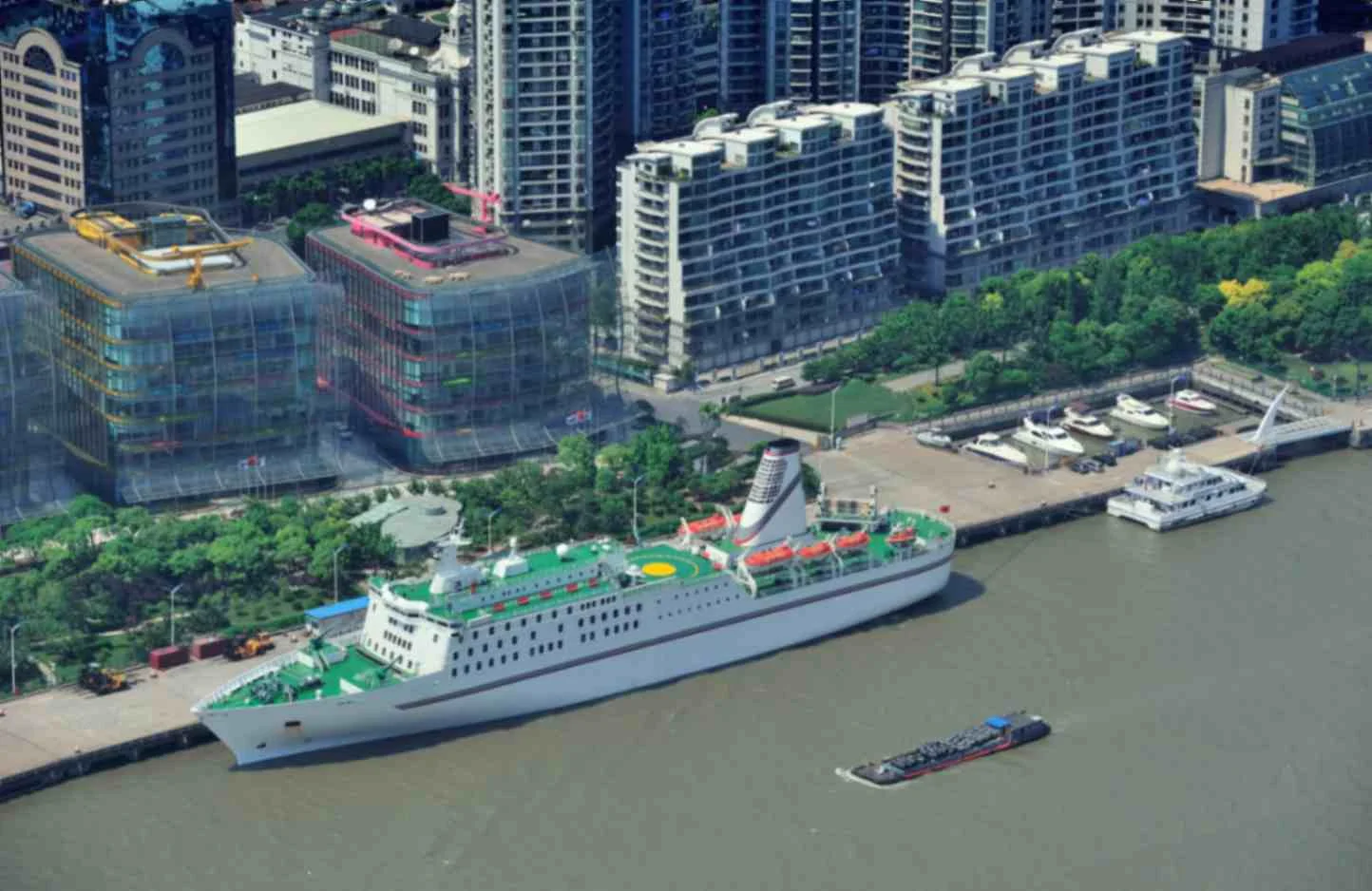
Singapore’s port infrastructure and role in regional trade create specific considerations for businesses moving cargo through the country. Marine cargo insurance should reflect the cargo type, shipment route, port handling, transshipment arrangements, and applicable policy terms.

Key Industrial Sectors

Cargo insurance needs can vary based on the goods being transported, their value, handling requirements, and transit conditions. Common Singapore-linked cargo sectors include:

Major Singaporean Sea Ports

Singapore's commercial port infrastructure supports container, bulk, conventional, and other cargo operations. Key facilities include terminals operated by PSA Corporation and Jurong Port, serving different types of maritime cargo movements.

Singapore Trade & Regulatory Environment

Businesses moving goods through Singapore may need to consider customs declarations, Free Trade Zone procedures, permits, and cargo documentation. These requirements can vary according to the type and movement of goods.

Singapore Trade Connections

Singapore connects cargo movements between Asian and global markets, with its port supporting substantial transshipment activity. The origin, destination, route, and transshipment arrangements can therefore form important considerations when arranging marine cargo insurance.

Marine Cargo Insurance for Singapore Imports,
Exports & Transshipment

Marine cargo insurance in Singapore can protect insured goods during imports, exports, and transshipment, with coverage structured around the cargo, route, risk-transfer point, and applicable policy terms. The appropriate coverage depends on the shipment’s transport arrangements, Incoterms, and selected policy conditions.

Imports into Singapore

Marine cargo insurance can cover insured goods imported into Singapore, subject to the selected coverage, Incoterms, and policy terms. The cargo value, origin, destination, and risk-transfer point can affect the appropriate coverage.

Singapore Exports

Businesses exporting goods from Singapore can arrange marine cargo insurance for international sea shipments. Coverage depends on the cargo, destination, route, Incoterms, and applicable policy terms.


Transshipment Through Singapore

Marine cargo insurance can be arranged for cargo passing through Singapore before continuing to an overseas destination. Coverage for transit, transfer, or storage stages depends on the policy’s coverage period and terms.

Port-to-Port Shipments

Marine cargo insurance can cover insured cargo moving between agreed ports, subject to the selected policy and coverage period. The exact scope should be confirmed against the policy wording.

Warehouse-to-Warehouse Movements

Where provided by the policy, coverage can extend from the origin warehouse through the sea journey to an agreed destination warehouse. The coverage period and risk-transfer point depend on the policy and applicable Incoterms.

Connected Multimodal Transportation

Marine cargo insurance can be structured for shipments combining sea freight with road, rail, or air transportation. Coverage across each stage depends on the selected policy and transport arrangements.

Get Your Cargo
Insurance
Quote.

Shipment Details

Tell us about your shipment route and transport mode.

Cargo Information

Help us understand exactly what you're shipping..

Your Contact Details

We'll send your quote directly to you.

"Your details are confidential — no spam ever"

Contact Our Singapore Team

Local expertise with global reach – our Singapore office is here to help

Singapore Office

Address:

789 Raffles Place, Singapore 048623

Email:

sales@cargoinsurepro.com

Phone:

+65 65288308

icon-

Business Hours

Monday - Friday:

8:00 AM - 6:00 PM (SGT)

Saturday:

9:00 AM - 1:00 PM (SGT)

Languages Supported

Frequently Asked Questions

Quick answers to common cargo insurance questions

01. Which Marine Insurance Policy Options Are Available?

Marine insurance policies can be structured around different risks, assets, and shipping needs in Singapore. Common cargo policy options include single-voyage policies, annual policies, and open cover arrangements, while marine insurance can also protect vessels, freight interests, or eligible liabilities. The right policy depends on your shipping frequency, cargo exposure, and specific insurance requirements.

The core types of marine insurance include marine cargo insurance, hull insurance, freight insurance, and liability-related marine insurance. Marine cargo insurance protects goods being transported, while other types can protect vessels, freight interests, or liabilities depending on the policy.

A marine cargo insurance premium generally depends on factors such as cargo value, cargo type, origin, destination, transport route, coverage level, and risk exposure. A basic way to understand the calculation is:

Estimated Premium = Insured Value × Applicable Insurance Rate

The actual premium can vary based on the shipment, selected coverage, insurer, and policy terms.

Importers, exporters, traders, manufacturers, freight forwarders, and other businesses moving commercial goods may benefit from marine cargo insurance. It can be particularly important when a business has significant financial exposure to loss or damage during transit.


Your Incoterm helps determine when the risk of loss or damage transfers between the buyer and seller, which can affect who needs to arrange cargo insurance. Some Incoterms, such as CIF and CIP, include insurance obligations for the seller, while other terms may place the insurance responsibility on the buyer. Always check the applicable Incoterm and sales contract to confirm who is responsible for arranging coverage.

Not sure which Incoterm applies to your shipment? Use our Incoterms Checker to identify the applicable trade term, understand when risk transfers, and see who is responsible for insurance.

A deductible is the amount of a covered loss that the policyholder must bear before the insurer pays the eligible remaining amount. For example, if a covered loss is S$10,000 and the policy has a S$1,000 deductible, the eligible amount after applying the deductible would be S$9,000, subject to the policy terms. The deductible can vary based on the policy and selected coverage.

For businesses making regular shipments, an annual policy or open cover arrangement may be more practical than arranging separate insurance for every shipment. A single-voyage policy can suit occasional shipments, while annual or open-cover options may work better for businesses with recurring cargo movements. The right option depends on shipment frequency, cargo value, routes, and the policy terms.

Marine cargo insurance is not generally mandatory for every shipment in Singapore. However, insurance may be required by a sales contract, financing arrangement, letter of credit, or other commercial agreement. Businesses should check their contractual requirements before shipping.

Document the damage and notify the insurer or claims contact as soon as possible. Keep relevant shipping and cargo documents, photographs, and other evidence, and follow the claims procedure specified in your policy.

The claims process generally starts by reporting the loss or damage to the insurer and providing the required supporting documents. The insurer then reviews the claim against the policy terms, assesses the loss where required, and determines whether the claim is covered and payable.

Latest Industry Insights

Expert analysis and updates on cargo insurance, shipping trends, and regulatory changes across Southeast Asia. This includes crucial insights into common claim issues in marine cargo insurance and freight forwarder liability.

CargoInsurePro

Get Your Cargo Insurance Quote.

Shipment Details

Tell us about your shipment route and transport mode.

Cargo Information

Help us understand exactly what you're shipping..

Your Contact Details

We'll send your quote directly to you.

"Your details are confidential — no spam ever"