

Introduction
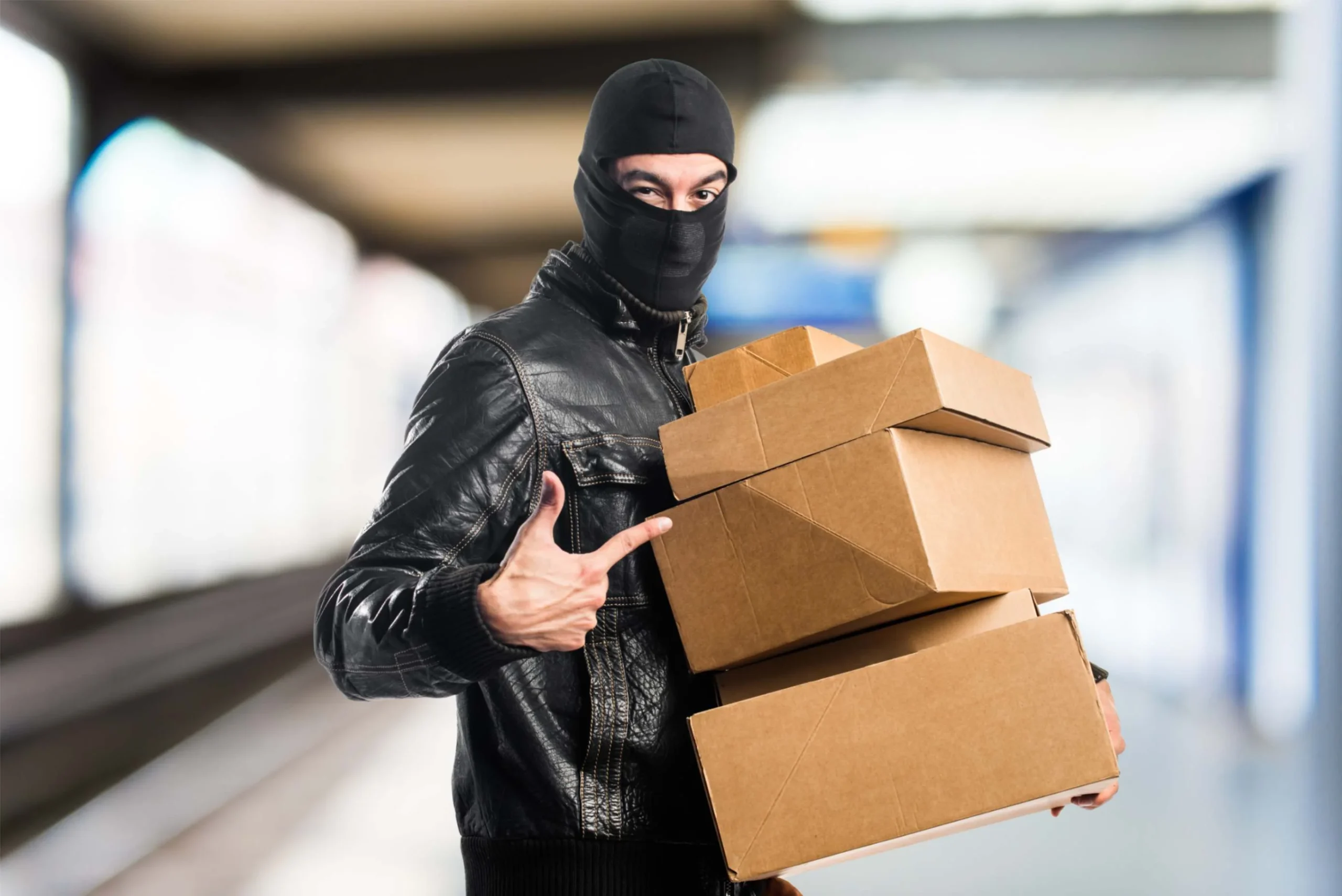
Cargo theft has become a serious concern for businesses moving goods through global supply chains. As shipments pass through multiple hands and locations, the risk of theft during transit or storage continues to rise. From stolen vehicles to fake pickups, cargo theft can happen at any point in the journey.
This growing threat makes cargo theft prevention a priority for businesses of all sizes. A single theft incident can lead to financial loss, delayed deliveries, and damaged customer relationships. That’s why companies are actively looking for practical ways to prevent cargo theft, including implementing strong security measures and using cargo insurance to protect shipments from unexpected losses.
By understanding how cargo theft occurs, taking preventive steps, and securing the right cargo insurance coverage, businesses can better safeguard their shipments and avoid unnecessary disruptions.
What Is Cargo Theft?
Cargo theft refers to the illegal stealing of goods while they are being transported, stored, or handled within the supply chain. It can happen at any stage—during pickup, transit, temporary storage, or final delivery—making cargo theft prevention a key concern for businesses.
Cargo theft occurs across different transport modes, including road, sea, air, and rail. Common methods include stolen vehicles, unauthorized access to shipments, fake carriers collecting cargo, and identity fraud. In many cases, criminals exploit weak security systems or poor verification processes.
The impact of cargo theft goes beyond the loss of goods. Businesses may face delivery delays, higher operational costs, damaged customer trust, and disrupted supply chains.
Common Types of Cargo Theft in Global Supply Chains
To improve cargo theft prevention, businesses first need to understand how cargo theft commonly occurs across supply chains. Theft methods vary depending on transport mode, location, and security levels.
1):- In‑Transit Theft
In‑transit theft is one of the most common and costly forms of cargo crime. Goods are stolen while moving by road, rail, sea, or air—often during rest stops, traffic delays, or unexpected route changes. Predictable routes and poor planning make it easier for criminals to target shipments. This is why route monitoring and real‑time tracking are essential parts of cargo theft prevention tips.
2):- Warehouse and Storage Theft
Cargo theft doesn’t only happen on the road. Warehouses, distribution centers, and temporary storage facilities are frequent targets. Weak access controls, poor lighting, and limited surveillance create opportunities for unauthorized individuals to remove goods without being noticed.
3):- Cyber‑Enabled Cargo Theft
As supply chains become more digital, cyber‑enabled theft is rising quickly. Criminals use fake pickup requests, stolen identities, and manipulated shipment data to steal cargo without using physical force. Because these attacks look legitimate, they’re harder to detect early. Businesses need strong verification processes to prevent theft of cargo through digital fraud.
4):- Inside Jobs and Employee‑Related Theft
Sometimes the threat comes from within. Employees with access to shipment details, warehouse areas, or transport schedules may misuse that information. Lack of background checks, poor training, and weak supervision increase the risk of insider theft. This makes staff awareness a crucial part of cargo theft loss prevention.
5):- Hijacking and Pilferage
Hijacking involves criminals taking over an entire vehicle and stealing the full load. Pilferage, on the other hand, refers to small amounts of cargo being stolen over time—often going unnoticed until it becomes a major loss. Both highlight the importance of strong tips for cargo theft prevention across every stage of the supply chain.
Why Cargo Theft Happens
Cargo theft doesn’t happen by accident. Criminals look for weak points in the supply chain, and even small gaps can create big opportunities. Understanding why theft occurs helps businesses strengthen their security and improve overall cargo theft prevention.
1):- Lack of Proper Security Measures
Many theft incidents happen simply because basic security systems are missing. Trucks without GPS tracking, warehouses without surveillance, or containers without tamper‑proof seals make it easy for thieves to strike. When security is weak, it becomes harder to prevent cargo theft before it happens.
2):- Poor Route Planning and High‑Risk Zones
Predictable routes are a major risk. When drivers follow the same paths or stop in unsafe areas, criminals can plan attacks in advance. Without smart route planning and monitoring, businesses struggle with cargo theft loss prevention.
3):- Weak Documentation and Verification Processes
Fake carriers, forged documents, and identity fraud are becoming common. When verification steps are rushed or skipped, criminals can collect shipments without raising suspicion. Strong documentation is essential for how to prevent cargo theft in modern supply chains.
4):- Insider Threats and Untrained Staff
Sometimes the biggest risks come from inside the organization. Employees with access to shipment details may leak information or assist thieves. Others may simply be unaware of security protocols. Proper training and background checks are key cargo theft prevention tips that businesses often overlook.
5):- Limited Visibility Across the Supply Chain
When companies don’t have real‑time visibility, they can’t detect unusual stops, delays, or route deviations. This lack of monitoring makes it harder to prevent theft of cargo and respond quickly when something goes wrong.
Cargo Theft Prevention: Best Practices for Businesses
Effective cargo theft prevention starts with practical steps that reduce risk at every stage of the supply chain. When businesses follow proven practices, it becomes much easier to prevent cargo theft and protect valuable shipments.
1):-Use Strong Packaging and Tamper‑Proof Seals
Secure packaging is one of the simplest ways to prevent theft of cargo. Tamper‑evident seals, high‑quality locks, and reinforced packaging make it harder for thieves to interfere with shipments without being noticed. Even small upgrades in packaging can significantly improve cargo theft loss prevention.
2):- Enable GPS Tracking and Real‑Time Monitoring
Real‑time visibility is a game‑changer. GPS tracking allows businesses to monitor routes, detect unusual stops, and respond quickly if something looks suspicious. It’s one of the most reliable cargo theft prevention tips because it gives companies full control over their shipments from start to finish.
3):- Secure Loading and Unloading Procedures
Loading and unloading are high‑risk moments in the supply chain. By limiting access to authorized personnel and using controlled loading zones, businesses can reduce the chances of unauthorized handling. Clear procedures help ensure that only verified staff interact with the cargo.
4):- Verify Drivers and Transport Partners
Fake pickups and identity fraud are major causes of cargo theft. Verifying drivers, checking IDs, and partnering only with trusted carriers are essential steps in how to prevent cargo theft. Background checks and strict onboarding processes help eliminate insider risks.
5):- Plan Routes and Use Geofencing
Smart route planning avoids high‑risk areas and reduces exposure to theft hotspots. Geofencing adds an extra layer of protection by sending alerts if a vehicle leaves its planned route. This proactive approach helps businesses prevent cargo theft before it escalates.
6):- Strengthen Warehouse Security
Warehouses and storage facilities must be treated as critical security points. Theft risks can be decreased with the use of surveillance cameras, access control systems, appropriate lighting, and routine inspections. A crucial component of preventing cargo theft in general is having a secure facility.
7):- Train Staff and Raise Awareness
Employees play a major role in protecting shipments. When staff are trained to recognize suspicious behavior, follow security protocols, and report issues quickly, the entire supply chain becomes safer. Regular training sessions help reduce insider threats and strengthen tips for cargo theft prevention across the organization.
Role of Cargo Insurance in Theft Prevention
Even with strong security measures in place, no supply chain is completely risk‑free. That’s why cargo insurance plays such an important role in Cargo Theft Prevention. It acts as a financial safety net, helping businesses recover quickly if theft occurs and ensuring operations continue without major disruption.
How Insurance Reduces Financial Risk
Cargo theft can lead to huge losses—especially when high‑value goods are involved. Insurance helps businesses prevent cargo theft from turning into a financial disaster. Instead of absorbing the full cost of stolen goods, companies receive compensation that keeps cash flow stable and shipments moving.
This makes cargo insurance a core part of any cargo theft loss prevention strategy.
Types of Cargo Insurance That Protect Against Theft
Different shipments require different types of coverage. CargoInsurePro offers a wide range of insurance solutions designed to prevent theft of cargo from causing long‑term damage.
1. Marine Cargo Insurance
Marine Cargo Insurance protects goods transported by sea. It covers risks like theft, pilferage, and container damage, ensuring your shipments remain secure from unexpected losses during ocean transit.
2. Air Freight Insurance
Air Freight Insurance is ideal for high-value or time-sensitive shipments traveling by air. It provides coverage against theft and loss, helping businesses prevent cargo theft while keeping critical goods moving safely.
3. Land Transport Insurance
Land Transport Insurance covers trucks, vans, and other road vehicles—where in-transit theft is most common. With this coverage, businesses can protect shipments on highways and local routes, reinforcing their cargo theft prevention strategy.
4. Sea Freight Insurance
Sea Freight Insurance offers additional protection for ocean shipments, especially in high-risk ports. It complements marine cargo insurance, making it an essential tool for businesses focused on preventing cargo theft at sea.
5. Parcel Insurance
Parcel Insurance safeguards small packages and e-commerce shipments that are often targeted during last-mile delivery. It ensures that even smaller shipments are protected, supporting overall cargo theft prevention efforts.
6. Freight Forwarder Liability Insurance
Freight Forwarder Liability Insurance protects logistics providers from financial responsibility if cargo is stolen while under their care. This coverage encourages safer handling practices and strengthens cargo theft prevention throughout the supply chain.
Each of these policies helps businesses strengthen their overall cargo theft prevention tips and reduce exposure to theft‑related losses.
Also Read: Top Cargo Transportation Risks Every Business Should Know



4 Responses