

Introduction
If you regularly ship goods overseas, one of the first questions that comes up is—how much does marine cargo insurance cost in 2026? With global trade expanding and supply chain risks evolving, protecting your shipments with the right insurance is more important than ever.
Marine cargo insurance safeguards your goods against loss or damage during transit—whether by sea, air, or land. The cost of cargo shipping insurance, however, depends on several factors like the type of cargo, shipping route, and the level of coverage you choose.
In this guide, we’ll break down everything you need to know about marine cargo insurance costs—from how premiums are calculated to average rates and smart ways to save without compromising protection.
By the end, you’ll know exactly how to estimate your cargo ship insurance expenses and how to choose a plan that balances both cost and cargo insurance coverage.
What Is Marine Cargo Insurance?
Marine cargo insurance is a type of coverage that protects goods while they’re being transported—typically by sea, but it also applies to air freight and land transport.
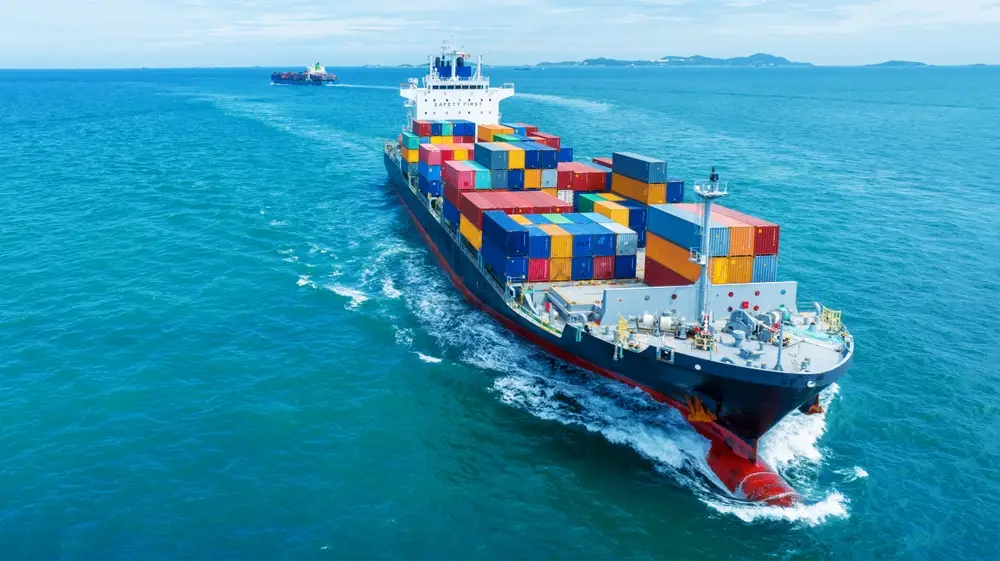
In simple terms, it’s your financial safety net. If your cargo is damaged, lost, or stolen during transit due to accidents, theft, rough handling, or natural disasters, this insurance helps cover the loss.
Whether you’re an importer, exporter, or freight forwarder, marine cargo insurance ensures your business stays protected from unexpected financial setbacks.
It’s especially important for companies involved in international shipping, where risks like cargo ship insurance claims or ocean freight insurance losses can occur at any stage of the journey.
Why Marine Cargo Insurance Costs Matter in 2026
In 2026, understanding how much marine cargo insurance will cost is more important than ever. As global trade expands and logistics networks grow more complex, risks like shipment delays, theft, and weather-related damage are becoming more frequent.
Knowing your marine cargo insurance cost upfront helps you plan your logistics budget and avoid unexpected expenses. It’s not just about compliance—it’s about smart financial management.
The cost of cargo shipping insurance is also influenced by global inflation and shifting regional regulations. As freight rates and cargo values fluctuate, insurance premiums often adjust too. That’s why businesses need to regularly review their policies to ensure they’re getting the right coverage at the right price.
For importers, exporters, and freight forwarders, cost transparency is key to staying competitive. By understanding the true marine insurance price, you can make informed decisions, manage risks effectively, and keep your shipments protected—no matter where they’re headed.
How Marine Cargo Insurance Premiums Are Calculated
If you’ve ever tried to figure out how much marine cargo insurance costs, you’ll know that the premium isn’t a fixed number. Instead, it’s calculated using a few simple but important factors.
Most insurers follow this basic formula:
Insured Value = Cost of Goods + Freight Charges + 10% Estimated Profit
Once you’ve determined your insured value, your marine cargo insurance cost is typically a small percentage of that amount—usually between 0.1% and 2%, depending on the level of risk.
Quick Example:
Let’s say your shipment is worth ₹10 lakh. Based on the cargo type, destination, and coverage level, your marine insurance price could range from ₹591 to ₹4,300.
This calculation helps importers and exporters estimate the cost of cargo insurance before shipping, allowing them to plan ahead and choose the right protection for their goods.
The more valuable or high-risk your shipment, the higher your premium might be. But with the right provider, you can still find competitive rates that keep your cargo secure—without stretching your budget.
How to Estimate Your Marine Cargo Insurance Cost
Estimating your premium for an upcoming shipment is easier than you might think. With just a few simple steps, you can get a clear idea of what you’ll pay and how your coverage fits into your logistics budget.
Step-by-Step Calculation:
- Determine the insured value Add up the total cost of your goods, freight charges, and around 10% for expected profit or handling costs. This gives you your base insured amount.
- Identify your premium rate Based on your cargo type and shipping route, insurers assign a rate—typically between 0.1% and 2%. High-risk or fragile cargo usually attracts higher rates.
- Multiply insured value by the rate
Use this formula:
Premium = Insured Value × Rate Percentage
Compare Risk Levels:
- General cargo: Lower rates (around 0.1%–0.3%)
- High-risk cargo: Higher rates (up to 2%)
Example:
If you’re insuring goods worth ₹10 lakh, your cargo shipping insurance premium could range from ₹1,000 to ₹4,000, depending on the destination, cargo type, and coverage level.
Estimating your marine insurance price upfront helps you make informed financial decisions and choose the right balance between cost and protection.
Factors That Influence Marine Cargo Insurance Rates
Several key elements determine your final premium, and understanding them can help you plan smarter and potentially reduce your insurance expenses.
1. Type and Value of Cargo
Expensive or fragile items often carry higher premiums due to their increased risk of damage or theft. Electronics and luxury goods, for example, cost more to insure than raw materials or packaged goods.
2. Mode of Transport
Whether you’re shipping by sea, air, or land, the transport method directly affects your marine cargo insurance cost.
- Cargo ship insurance tends to be more affordable than air freight insurance but may involve longer transit times and exposure to maritime risks.
- Air freight insurance is typically higher due to faster delivery and higher cargo values.
3. Route Risk Level
Some shipping routes are considered riskier due to factors like piracy, severe weather, or regional instability. These risks can increase your ocean freight insurance rates, especially in high-alert zones.
4. Coverage Type
The kind of policy you choose plays a major role:
- All-risk coverage offers broad protection but comes at a higher cost.
- Named perils policies are more budget-friendly but only cover specific risks.
5. Claims History & Insurer Reputation
Frequent claims may lead to higher premiums. On the other hand, working with reputable providers can help you access fair pricing and dependable claims support.
6. Add-Ons and Custom Options
Optional coverage—such as protection against theft, damage during loading/unloading, or delays—can slightly raise your marine insurance price, but they offer added peace of mind.
7. Risk Management Practices
Businesses that invest in secure packaging, proper documentation, and cargo tracking often qualify for discounted rates. These practices reduce the likelihood of loss and signal lower risk to insurers.
Average Marine Cargo Insurance Rates in Southeast Asia (2026)
Shipping goods across Southeast Asia comes with varying insurance costs depending on your route, cargo type, and mode of transport. To help you estimate your expenses, here’s a general breakdown of typical premium ranges:
Transport Mode | Typical Rate Range |
Sea Freight | 0.1% – 0.5% of insured value |
Air Freight | 0.2% – 0.7% |
Land Transport | 0.1% – 0.4% |
Parcel Insurance | Flat fee or small percentage |
Container Pricing | ₹1,500 – ₹4,300 per container |
These figures reflect the average marine cargo insurance cost in 2026, but actual premiums may vary based on your shipment’s risk level and destination.
Countries like Singapore, Thailand, Malaysia, Cambodia, China, and India each have unique shipping conditions and risk profiles that influence pricing. Partnering with regionally experienced providers ensures you get the right cargo ship insurance at a fair rate—without overpaying for unnecessary coverage.
Tips to Reduce Your Marine Cargo Insurance Premium
Looking to lower your insurance costs without compromising protection? Here are several smart strategies that can help you save money while keeping your shipments fully covered:
1. Choose Coverage Wisely
Avoid over-insuring low-risk cargo. Select coverage limits that match the actual value and risk of your shipment to avoid paying for unnecessary protection.
2. Bundle Policies Across Modes
If you ship regularly by sea, air, and land, bundling multiple shipments under one policy can lead to discounted rates—reducing your overall marine insurance price.
3. Work with Trusted Freight Forwarders
Experienced logistics partners ensure proper handling, documentation, and packaging. This lowers the likelihood of claims and can reduce your cargo shipping insurance premiums.
4. Implement Proactive Risk Management
Using tracking systems, protective packaging, and secure storage minimizes potential losses. Insurers often reward these practices with better rates.
5. Compare Quotes Across Providers
Don’t settle for the first quote. Regional experts like CargoInsurePro help you compare rates across multiple regions to find competitive pricing tailored to your needs.
Read More: How Much Does Cargo Insurance Cost in 2026? A Complete Guide to Rates, Coverage & Savings
Conclusion
Marine cargo insurance premiums in 2026 vary based on several key factors: the type and value of your cargo, the mode of transport, the risk level of your route, and the coverage options you select.
Understanding these elements helps you make smarter decisions—ensuring your shipments stay protected without overspending. While low-cost marine insurance policies may seem appealing, investing in the right coverage offers long-term peace of mind and shields your business from unexpected losses.
Whether you’re shipping by sea, air, land, or sending parcels, partnering with a regional expert gives you access to competitive marine cargo insurance rates across multiple regions.

3 Responses