


Introduction
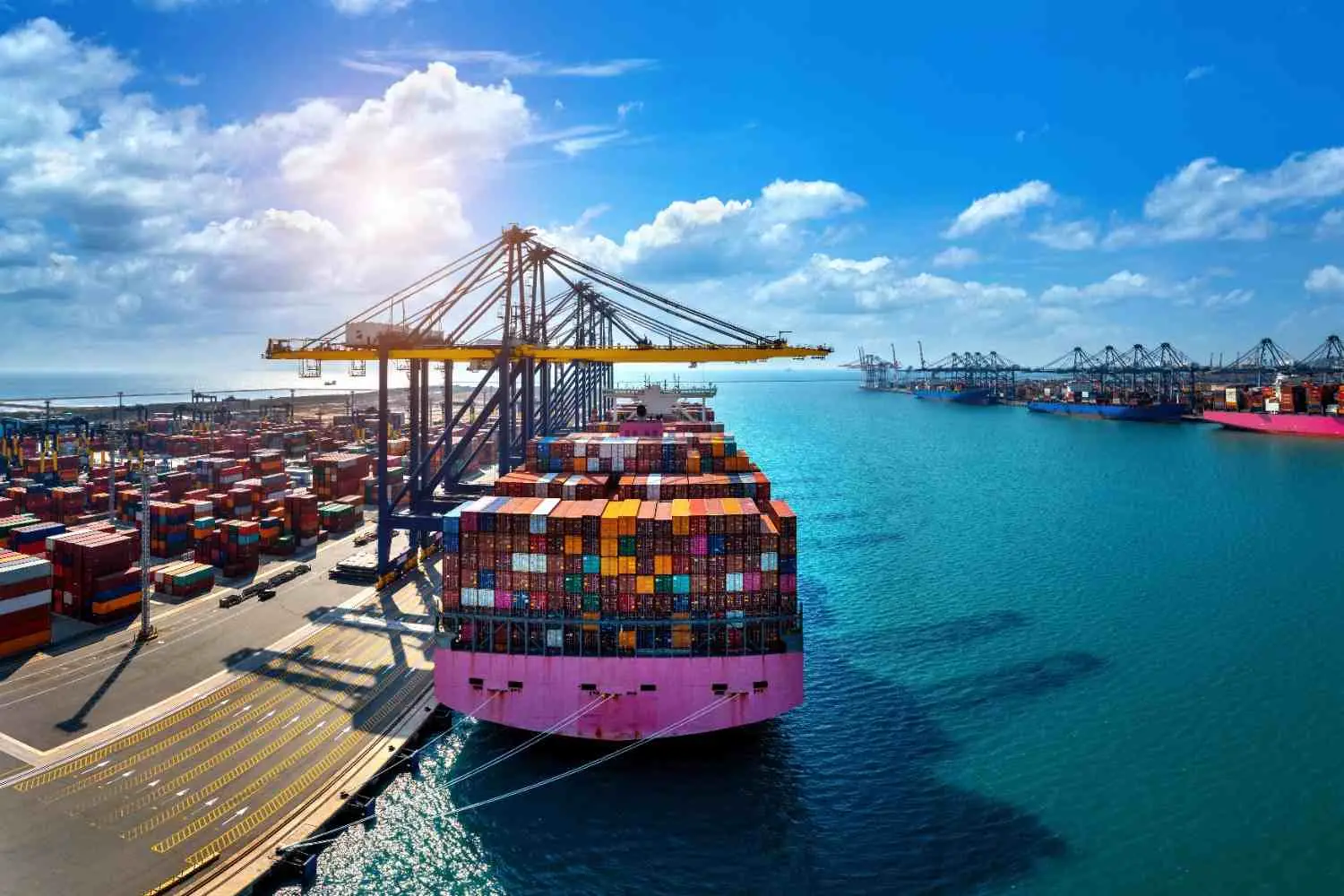
Singapore has earned its reputation as one of the world’s busiest export hubs, connecting Asia to global trade routes with unmatched efficiency. Every day, thousands of containers move through its ports, making it a vital link for exporters across the region.
For businesses shipping goods overseas, protecting cargo is more than just a precaution—it’s a necessity. That’s where Cargo Insurance Singapore comes in. By safeguarding shipments against risks like damage, theft, or delays, exporters can focus on growth without worrying about unexpected losses.
Two key gateways—PSA Port and Jurong Port—handle the majority of Singapore’s export traffic. While these ports are highly advanced, the sheer scale of operations means risks are inevitable. From handling errors to weather exposure, exporters face challenges that make insurance for cargo essential.
In this blog, we’ll explore the unique risks at PSA and Jurong Port, why standard carrier liability isn’t enough, and how a dedicated cargo insurance policy ensures peace of mind for exporters.
Why Singapore Exporters Face Unique Cargo Risks
Exporting from Singapore offers incredible opportunities, but it also comes with challenges that make Cargo Insurance Singapore a must for businesses. With PSA and Jurong Port handling millions of containers every year, exporters face risks that can quickly turn into costly setbacks if shipments aren’t properly protected.
Here are the main reasons exporters in Singapore need reliable cargo insurance coverage:
1. High Cargo Volume & Congestion
Singapore’s ports are among the busiest in the world. With thousands of containers moving daily, congestion is inevitable. This increases the chances of delays, misrouting, or accidental damage during handling.
2. Multiple Handling Points
Cargo often changes hands several times—from port workers to freight forwarders and transport operators. Each transfer adds a layer of risk, making insurance for cargo essential to cover potential mishaps.
3. Transshipment Exposure
Many shipments pass through Singapore as part of global transshipment routes. While this boosts efficiency, it also exposes cargo to additional handling and storage risks, raising the need for a strong cargo insurance policy.
4. Strict Port Compliance & Delays
Singapore ports are known for strict compliance and inspections. While this ensures safety, it can also cause delays. Extended storage time increases exposure to weather, theft, or accidental damage.
PSA Port Cargo Risks Exporters Should Know
PSA Port is the backbone of Singapore’s export industry, handling millions of containers every year. While it’s known for efficiency and advanced technology, exporters still face risks that make Cargo Insurance Singapore essential. Here are the common challenges businesses should be aware of:
1. Container Handling Damage
With cranes, forklifts, and automated systems moving thousands of containers daily, accidents can happen. Even minor dents or drops can cause serious damage to fragile or high‑value goods. Having a strong cargo insurance policy ensures you’re covered against these risks.
2. Loading & Unloading Accidents
Human error during loading and unloading is unavoidable. Misplaced cargo or improper stacking can lead to breakage, especially for delicate shipments. Insurance for cargo helps exporters recover quickly from such losses.
3. Storage & Yard Risks
Cargo stored in container yards is exposed to risks like contamination, fire, or accidental damage from nearby operations. Reliable cargo insurance coverage protects exporters from unexpected financial setbacks.
4. Weather Exposure During Port Operations
Singapore’s tropical climate means sudden rainstorms are common. Cargo left uncovered during transfers can suffer water damage. With commercial cargo insurance, exporters don’t have to worry about unpredictable weather.
5. Theft & Pilferage in Transit Zones
High cargo volumes make PSA a target for theft and pilferage. Even with strict security, incidents can occur. Partnering with a trusted cargo insurance company ensures exporters are financially protected against such risks.
Jurong Port Shipping Risks for Export Cargo
Jurong Port plays a critical role in Singapore’s export ecosystem, especially for breakbulk, project cargo, and industrial shipments. While it’s highly specialized, exporters face unique risks here that make Cargo Insurance Singapore essential for financial protection.
1. Breakbulk & Project Cargo Handling Risks
Unlike containerized cargo, breakbulk shipments are handled individually. This increases the chance of mishandling, scratches, or breakage. A tailored cargo insurance policy ensures exporters don’t suffer losses when dealing with oversized or irregular goods.
2. Heavy Machinery & Industrial Goods Exposure
Jurong Port is a hub for industrial exports like heavy machinery and construction materials. These items are high‑value and prone to damage during lifting or inland transfers. Reliable commercial cargo insurance provides peace of mind when shipping such goods.
3. Inland Transfer Risks from Jurong Industrial Areas
Cargo often moves from Jurong’s industrial zones to the port via trucks or trailers. Road accidents, theft, or shifting loads can cause damage. With proper cargo insurance coverage, exporters are protected throughout the journey—not just at sea.
4. Delays Due to Specialized Cargo Handling
Specialized cargo requires extra time for inspection, documentation, and handling. These delays can expose shipments to weather or storage risks. Partnering with a trusted cargo insurance company ensures exporters are covered even when timelines stretch.
Common Cargo Loss Scenarios at Singapore Ports
Even with world‑class facilities like PSA and Jurong Port, exporters in Singapore still face everyday risks. These incidents highlight why Cargo Insurance Singapore is essential for protecting shipments:
- Containers dropped during lifting – Heavy machinery moves thousands of containers daily, and accidents can cause serious damage.
- Water damage due to rain exposure – Sudden tropical downpours can soak cargo left uncovered during transfers.
- Cargo theft during temporary storage – High cargo volumes make storage yards vulnerable to pilferage despite strict security.
- Fire incidents in container yards – Electrical faults or accidents can lead to fires, putting goods at risk.
- Cargo shifting during port transfers – Improper securing during handling or inland transport can cause breakage or loss.
These scenarios are more common than exporters realize. Without proper cargo insurance coverage, businesses may face huge financial setbacks. A strong cargo insurance policy ensures exporters are compensated quickly and can continue operations without disruption.
Why Standard Carrier Liability Is NOT Enough
Many exporters assume that shipping lines or carriers will fully cover their cargo in case of damage or loss. The reality is very different. Standard carrier liability offers only limited protection, leaving exporters exposed to significant risks. This is why Cargo Insurance Singapore is a must for businesses that want true peace of mind.
1. Limited Compensation from Shipping Lines
Carriers usually compensate based on weight or a fixed rate, not the actual value of your goods. For high‑value shipments, this means you’ll recover only a fraction of your loss. A proper cargo insurance policy ensures you’re covered for the full value of your cargo.
2. Long Claims Process
Even when carriers accept liability, the claims process can be slow and complicated. Exporters may wait months before receiving compensation. With cargo insurance coverage, claims are processed faster, helping businesses recover quickly.
3. Exclusions That Leave Exporters Unprotected
Carrier liability often excludes common risks such as weather damage, theft, or handling errors. These are exactly the scenarios exporters face at PSA and Jurong Port. That’s why working with a trusted cargo insurance company is essential to cover gaps left by standard liability.
How Cargo Insurance Protects Singapore Exporters
For exporters, relying on luck is never a strategy. With the scale of operations at PSA and Jurong Port, risks are part of the process. The good news is that Cargo Insurance Singapore provides a safety net that keeps businesses financially secure even when the unexpected happens.
Here’s how dedicated cargo insurance coverage protects exporters:
1. Coverage for Port Handling Damage
Accidents during lifting, stacking, or moving containers can cause serious losses. A strong cargo insurance policy ensures exporters are compensated for damages caused during port handling.
2. Protection Against Theft & Non‑Delivery
Cargo theft or misrouting can disrupt supply chains. With insurance for cargo, exporters are covered against theft, pilferage, or shipments that never reach their destination.
3. Coverage During Storage & Transit
Goods stored in container yards or moved inland are vulnerable to fire, contamination, or shifting loads. Reliable commercial cargo insurance extends protection beyond the port, covering storage and inland transfers.
4. Protection from Natural Events
Singapore’s tropical climate means sudden rainstorms or flooding can damage cargo. With cargo insurance in Singapore, exporters are safeguarded against natural events that carriers often exclude.
5. Faster Claims & Financial Security
Unlike standard carrier liability, which can take months to process, cargo insurance companies provide faster claims. This ensures exporters recover quickly and maintain business continuity.
Types of Cargo Insurance Exporters Should Consider
Every shipment is different, and so are the risks. That’s why exporters in Singapore need to choose the right type of coverage based on the nature of their goods, destinations, and handling requirements. With Cargo Insurance Singapore, businesses can tailor protection to match their export strategy.
Here are the main types of cargo insurance coverage exporters should explore:
1. Marine Cargo Insurance
For sea freight shipments moving through PSA and Jurong Port, marine cargo insurance is essential. It covers risks like container damage, water exposure, and accidents during ocean transit. A dedicated cargo insurance policy ensures exporters don’t suffer losses from unpredictable maritime risks.
2. Land Transport Insurance (Port to Warehouse)
Cargo doesn’t just move across oceans—it also travels inland. Land transport insurance protects goods during trucking or trailer transfers from ports to warehouses. This type of commercial cargo insurance is crucial for exporters dealing with fragile or high‑value goods.
3. Air Freight Insurance for Urgent Exports
When speed matters, exporters rely on air freight. But air shipments face risks like handling errors, turbulence, or delays. With insurance for cargo, businesses can secure urgent exports against these challenges.
4. Parcel Insurance for Small Shipments
E‑commerce and small parcel exports are growing rapidly. Parcel insurance provides affordable protection for smaller shipments, covering theft, damage, or non‑delivery. Partnering with a trusted cargo insurance company ensures even small exporters are protected.
How to Choose the Right Cargo Insurance in Singapore
Not all shipments are the same, and neither are the risks. That’s why choosing the right Cargo Insurance Singapore policy is about more than just ticking a box—it’s about matching coverage to your business needs. Exporters should consider these key factors before selecting a plan:
- Cargo Value Assessment – Start by evaluating the actual worth of your goods. High‑value shipments need stronger cargo insurance coverage to ensure full protection.
- Nature of Goods – Fragile, industrial, or oversized cargo each face different risks. A tailored cargo insurance policy ensures your goods are covered against the specific challenges they face.
- Export Destination – Shipments to Southeast Asia, China, or India may involve multiple transshipment points. Reliable insurance for cargo ensures protection across borders.
- Frequency of Shipments – Regular exporters benefit from comprehensive plans offered by a trusted cargo insurance company, while occasional shippers may prefer flexible coverage.
- Port Handling Exposure – PSA and Jurong Port each have unique risks. Choosing commercial cargo insurance that accounts for port‑specific challenges ensures peace of mind.
By considering these factors, exporters can select a policy that balances cost, coverage, and convenience. Working with an experienced provider like CargoInsurePro makes the process simple and ensures you get the right protection every time.
Also Read: Cargo Theft Prevention: How Businesses Can Secure Goods Across Global Supply Chains
Singapore has earned its reputation as one of the world’s busiest export hubs, connecting Asia to global trade routes with unmatched efficiency. Every day, thousands of containers move through its ports, making it a vital link for exporters across the region.
For businesses shipping goods overseas, protecting cargo is more than just a precaution—it’s a necessity. That’s where Cargo Insurance Singapore comes in. By safeguarding shipments against risks like damage, theft, or delays, exporters can focus on growth without worrying about unexpected losses.
Two key gateways—PSA Port and Jurong Port—handle the majority of Singapore’s export traffic. While these ports are highly advanced, the sheer scale of operations means risks are inevitable. From handling errors to weather exposure, exporters face challenges that make insurance for cargo essential.
In this blog, we’ll explore the unique risks at PSA and Jurong Port, why standard carrier liability isn’t enough, and how a dedicated cargo insurance policy ensures peace of mind for exporters.
Why Singapore Exporters Face Unique Cargo Risks
Exporting from Singapore offers incredible opportunities, but it also comes with challenges that make Cargo Insurance Singapore a must for businesses. With PSA and Jurong Port handling millions of containers every year, exporters face risks that can quickly turn into costly setbacks if shipments aren’t properly protected.
Here are the main reasons exporters in Singapore need reliable cargo insurance coverage:
1. High Cargo Volume & Congestion
Singapore’s ports are among the busiest in the world. With thousands of containers moving daily, congestion is inevitable. This increases the chances of delays, misrouting, or accidental damage during handling.
2. Multiple Handling Points
Cargo often changes hands several times—from port workers to freight forwarders and transport operators. Each transfer adds a layer of risk, making insurance for cargo essential to cover potential mishaps.
3. Transshipment Exposure
Many shipments pass through Singapore as part of global transshipment routes. While this boosts efficiency, it also exposes cargo to additional handling and storage risks, raising the need for a strong cargo insurance policy.
4. Strict Port Compliance & Delays
Singapore ports are known for strict compliance and inspections. While this ensures safety, it can also cause delays. Extended storage time increases exposure to weather, theft, or accidental damage.
PSA Port Cargo Risks Exporters Should Know
PSA Port is the backbone of Singapore’s export industry, handling millions of containers every year. While it’s known for efficiency and advanced technology, exporters still face risks that make Cargo Insurance Singapore essential. Here are the common challenges businesses should be aware of:
1. Container Handling Damage
With cranes, forklifts, and automated systems moving thousands of containers daily, accidents can happen. Even minor dents or drops can cause serious damage to fragile or high‑value goods. Having a strong cargo insurance policy ensures you’re covered against these risks.
2. Loading & Unloading Accidents
Human error during loading and unloading is unavoidable. Misplaced cargo or improper stacking can lead to breakage, especially for delicate shipments. Insurance for cargo helps exporters recover quickly from such losses.
3. Storage & Yard Risks
Cargo stored in container yards is exposed to risks like contamination, fire, or accidental damage from nearby operations. Reliable cargo insurance coverage protects exporters from unexpected financial setbacks.
4. Weather Exposure During Port Operations
Singapore’s tropical climate means sudden rainstorms are common. Cargo left uncovered during transfers can suffer water damage. With commercial cargo insurance, exporters don’t have to worry about unpredictable weather.
5. Theft & Pilferage in Transit Zones
High cargo volumes make PSA a target for theft and pilferage. Even with strict security, incidents can occur. Partnering with a trusted cargo insurance company ensures exporters are financially protected against such risks.
Jurong Port Shipping Risks for Export Cargo
Jurong Port plays a critical role in Singapore’s export ecosystem, especially for breakbulk, project cargo, and industrial shipments. While it’s highly specialized, exporters face unique risks here that make Cargo Insurance Singapore essential for financial protection.
1. Breakbulk & Project Cargo Handling Risks
Unlike containerized cargo, breakbulk shipments are handled individually. This increases the chance of mishandling, scratches, or breakage. A tailored cargo insurance policy ensures exporters don’t suffer losses when dealing with oversized or irregular goods.
2. Heavy Machinery & Industrial Goods Exposure
Jurong Port is a hub for industrial exports like heavy machinery and construction materials. These items are high‑value and prone to damage during lifting or inland transfers. Reliable commercial cargo insurance provides peace of mind when shipping such goods.
3. Inland Transfer Risks from Jurong Industrial Areas
Cargo often moves from Jurong’s industrial zones to the port via trucks or trailers. Road accidents, theft, or shifting loads can cause damage. With proper cargo insurance coverage, exporters are protected throughout the journey—not just at sea.
4. Delays Due to Specialized Cargo Handling
Specialized cargo requires extra time for inspection, documentation, and handling. These delays can expose shipments to weather or storage risks. Partnering with a trusted cargo insurance company ensures exporters are covered even when timelines stretch.
Common Cargo Loss Scenarios at Singapore Ports
Even with world‑class facilities like PSA and Jurong Port, exporters in Singapore still face everyday risks. These incidents highlight why Cargo Insurance Singapore is essential for protecting shipments:
- Containers dropped during lifting – Heavy machinery moves thousands of containers daily, and accidents can cause serious damage.
- Water damage due to rain exposure – Sudden tropical downpours can soak cargo left uncovered during transfers.
- Cargo theft during temporary storage – High cargo volumes make storage yards vulnerable to pilferage despite strict security.
- Fire incidents in container yards – Electrical faults or accidents can lead to fires, putting goods at risk.
- Cargo shifting during port transfers – Improper securing during handling or inland transport can cause breakage or loss.
These scenarios are more common than exporters realize. Without proper cargo insurance coverage, businesses may face huge financial setbacks. A strong cargo insurance policy ensures exporters are compensated quickly and can continue operations without disruption.
Why Standard Carrier Liability Is NOT Enough
Many exporters assume that shipping lines or carriers will fully cover their cargo in case of damage or loss. The reality is very different. Standard carrier liability offers only limited protection, leaving exporters exposed to significant risks. This is why Cargo Insurance Singapore is a must for businesses that want true peace of mind.
1. Limited Compensation from Shipping Lines
Carriers usually compensate based on weight or a fixed rate, not the actual value of your goods. For high‑value shipments, this means you’ll recover only a fraction of your loss. A proper cargo insurance policy ensures you’re covered for the full value of your cargo.
2. Long Claims Process
Even when carriers accept liability, the claims process can be slow and complicated. Exporters may wait months before receiving compensation. With cargo insurance coverage, claims are processed faster, helping businesses recover quickly.
3. Exclusions That Leave Exporters Unprotected
Carrier liability often excludes common risks such as weather damage, theft, or handling errors. These are exactly the scenarios exporters face at PSA and Jurong Port. That’s why working with a trusted cargo insurance company is essential to cover gaps left by standard liability.
How Cargo Insurance Protects Singapore Exporters
For exporters, relying on luck is never a strategy. With the scale of operations at PSA and Jurong Port, risks are part of the process. The good news is that Cargo Insurance Singapore provides a safety net that keeps businesses financially secure even when the unexpected happens.
Here’s how dedicated cargo insurance coverage protects exporters:
1. Coverage for Port Handling Damage
Accidents during lifting, stacking, or moving containers can cause serious losses. A strong cargo insurance policy ensures exporters are compensated for damages caused during port handling.
2. Protection Against Theft & Non‑Delivery
Cargo theft or misrouting can disrupt supply chains. With insurance for cargo, exporters are covered against theft, pilferage, or shipments that never reach their destination.
3. Coverage During Storage & Transit
Goods stored in container yards or moved inland are vulnerable to fire, contamination, or shifting loads. Reliable commercial cargo insurance extends protection beyond the port, covering storage and inland transfers.
4. Protection from Natural Events
Singapore’s tropical climate means sudden rainstorms or flooding can damage cargo. With cargo insurance in Singapore, exporters are safeguarded against natural events that carriers often exclude.
5. Faster Claims & Financial Security
Unlike standard carrier liability, which can take months to process, cargo insurance companies provide faster claims. This ensures exporters recover quickly and maintain business continuity.
Types of Cargo Insurance Exporters Should Consider
Every shipment is different, and so are the risks. That’s why exporters in Singapore need to choose the right type of coverage based on the nature of their goods, destinations, and handling requirements. With Cargo Insurance Singapore, businesses can tailor protection to match their export strategy.
Here are the main types of cargo insurance coverage exporters should explore:
1. Marine Cargo Insurance
For sea freight shipments moving through PSA and Jurong Port, marine cargo insurance is essential. It covers risks like container damage, water exposure, and accidents during ocean transit. A dedicated cargo insurance policy ensures exporters don’t suffer losses from unpredictable maritime risks.
2. Land Transport Insurance (Port to Warehouse)
Cargo doesn’t just move across oceans—it also travels inland. Land transport insurance protects goods during trucking or trailer transfers from ports to warehouses. This type of commercial cargo insurance is crucial for exporters dealing with fragile or high‑value goods.
3. Air Freight Insurance for Urgent Exports
When speed matters, exporters rely on air freight. But air shipments face risks like handling errors, turbulence, or delays. With insurance for cargo, businesses can secure urgent exports against these challenges.
4. Parcel Insurance for Small Shipments
E‑commerce and small parcel exports are growing rapidly. Parcel insurance provides affordable protection for smaller shipments, covering theft, damage, or non‑delivery. Partnering with a trusted cargo insurance company ensures even small exporters are protected.
How to Choose the Right Cargo Insurance in Singapore
Not all shipments are the same, and neither are the risks. That’s why choosing the right Cargo Insurance Singapore policy is about more than just ticking a box—it’s about matching coverage to your business needs. Exporters should consider these key factors before selecting a plan:
- Cargo Value Assessment – Start by evaluating the actual worth of your goods. High‑value shipments need stronger cargo insurance coverage to ensure full protection.
- Nature of Goods – Fragile, industrial, or oversized cargo each face different risks. A tailored cargo insurance policy ensures your goods are covered against the specific challenges they face.
- Export Destination – Shipments to Southeast Asia, China, or India may involve multiple transshipment points. Reliable insurance for cargo ensures protection across borders.
- Frequency of Shipments – Regular exporters benefit from comprehensive plans offered by a trusted cargo insurance company, while occasional shippers may prefer flexible coverage.
- Port Handling Exposure – PSA and Jurong Port each have unique risks. Choosing commercial cargo insurance that accounts for port‑specific challenges ensures peace of mind.
By considering these factors, exporters can select a policy that balances cost, coverage, and convenience. Working with an experienced provider like CargoInsurePro makes the process simple and ensures you get the right protection every time.
Also Read: Cargo Theft Prevention: How Businesses Can Secure Goods Across Global Supply Chains
Introduction
Singapore has earned its reputation as one of the world’s busiest export hubs, connecting Asia to global trade routes with unmatched efficiency. Every day, thousands of containers move through its ports, making it a vital link for exporters across the region.
For businesses shipping goods overseas, protecting cargo is more than just a precaution—it’s a necessity. That’s where Cargo Insurance Singapore comes in. By safeguarding shipments against risks like damage, theft, or delays, exporters can focus on growth without worrying about unexpected losses.
Two key gateways—PSA Port and Jurong Port—handle the majority of Singapore’s export traffic. While these ports are highly advanced, the sheer scale of operations means risks are inevitable. From handling errors to weather exposure, exporters face challenges that make insurance for cargo essential.
In this blog, we’ll explore the unique risks at PSA and Jurong Port, why standard carrier liability isn’t enough, and how a dedicated cargo insurance policy ensures peace of mind for exporters.
Why Singapore Exporters Face Unique Cargo Risks
Exporting from Singapore offers incredible opportunities, but it also comes with challenges that make Cargo Insurance Singapore a must for businesses. With PSA and Jurong Port handling millions of containers every year, exporters face risks that can quickly turn into costly setbacks if shipments aren’t properly protected.
Here are the main reasons exporters in Singapore need reliable cargo insurance coverage:
1. High Cargo Volume & Congestion
Singapore’s ports are among the busiest in the world. With thousands of containers moving daily, congestion is inevitable. This increases the chances of delays, misrouting, or accidental damage during handling.
2. Multiple Handling Points
Cargo often changes hands several times—from port workers to freight forwarders and transport operators. Each transfer adds a layer of risk, making insurance for cargo essential to cover potential mishaps.
3. Transshipment Exposure
Many shipments pass through Singapore as part of global transshipment routes. While this boosts efficiency, it also exposes cargo to additional handling and storage risks, raising the need for a strong cargo insurance policy.
4. Strict Port Compliance & Delays
Singapore ports are known for strict compliance and inspections. While this ensures safety, it can also cause delays. Extended storage time increases exposure to weather, theft, or accidental damage.
PSA Port Cargo Risks Exporters Should Know
PSA Port is the backbone of Singapore’s export industry, handling millions of containers every year. While it’s known for efficiency and advanced technology, exporters still face risks that make Cargo Insurance Singapore essential. Here are the common challenges businesses should be aware of:
1. Container Handling Damage
With cranes, forklifts, and automated systems moving thousands of containers daily, accidents can happen. Even minor dents or drops can cause serious damage to fragile or high‑value goods. Having a strong cargo insurance policy ensures you’re covered against these risks.
2. Loading & Unloading Accidents
Human error during loading and unloading is unavoidable. Misplaced cargo or improper stacking can lead to breakage, especially for delicate shipments. Insurance for cargo helps exporters recover quickly from such losses.
3. Storage & Yard Risks
Cargo stored in container yards is exposed to risks like contamination, fire, or accidental damage from nearby operations. Reliable cargo insurance coverage protects exporters from unexpected financial setbacks.
4. Weather Exposure During Port Operations
Singapore’s tropical climate means sudden rainstorms are common. Cargo left uncovered during transfers can suffer water damage. With commercial cargo insurance, exporters don’t have to worry about unpredictable weather.
5. Theft & Pilferage in Transit Zones
High cargo volumes make PSA a target for theft and pilferage. Even with strict security, incidents can occur. Partnering with a trusted cargo insurance company ensures exporters are financially protected against such risks.
Jurong Port Shipping Risks for Export Cargo
Jurong Port plays a critical role in Singapore’s export ecosystem, especially for breakbulk, project cargo, and industrial shipments. While it’s highly specialized, exporters face unique risks here that make Cargo Insurance Singapore essential for financial protection.
1. Breakbulk & Project Cargo Handling Risks
Unlike containerized cargo, breakbulk shipments are handled individually. This increases the chance of mishandling, scratches, or breakage. A tailored cargo insurance policy ensures exporters don’t suffer losses when dealing with oversized or irregular goods.
2. Heavy Machinery & Industrial Goods Exposure
Jurong Port is a hub for industrial exports like heavy machinery and construction materials. These items are high‑value and prone to damage during lifting or inland transfers. Reliable commercial cargo insurance provides peace of mind when shipping such goods.
3. Inland Transfer Risks from Jurong Industrial Areas
Cargo often moves from Jurong’s industrial zones to the port via trucks or trailers. Road accidents, theft, or shifting loads can cause damage. With proper cargo insurance coverage, exporters are protected throughout the journey—not just at sea.
4. Delays Due to Specialized Cargo Handling
Specialized cargo requires extra time for inspection, documentation, and handling. These delays can expose shipments to weather or storage risks. Partnering with a trusted cargo insurance company ensures exporters are covered even when timelines stretch.
Common Cargo Loss Scenarios at Singapore Ports
Even with world‑class facilities like PSA and Jurong Port, exporters in Singapore still face everyday risks. These incidents highlight why Cargo Insurance Singapore is essential for protecting shipments:
- Containers dropped during lifting – Heavy machinery moves thousands of containers daily, and accidents can cause serious damage.
- Water damage due to rain exposure – Sudden tropical downpours can soak cargo left uncovered during transfers.
- Cargo theft during temporary storage – High cargo volumes make storage yards vulnerable to pilferage despite strict security.
- Fire incidents in container yards – Electrical faults or accidents can lead to fires, putting goods at risk.
- Cargo shifting during port transfers – Improper securing during handling or inland transport can cause breakage or loss.
These scenarios are more common than exporters realize. Without proper cargo insurance coverage, businesses may face huge financial setbacks. A strong cargo insurance policy ensures exporters are compensated quickly and can continue operations without disruption.
Why Standard Carrier Liability Is NOT Enough
Many exporters assume that shipping lines or carriers will fully cover their cargo in case of damage or loss. The reality is very different. Standard carrier liability offers only limited protection, leaving exporters exposed to significant risks. This is why Cargo Insurance Singapore is a must for businesses that want true peace of mind.
1. Limited Compensation from Shipping Lines
Carriers usually compensate based on weight or a fixed rate, not the actual value of your goods. For high‑value shipments, this means you’ll recover only a fraction of your loss. A proper cargo insurance policy ensures you’re covered for the full value of your cargo.
2. Long Claims Process
Even when carriers accept liability, the claims process can be slow and complicated. Exporters may wait months before receiving compensation. With cargo insurance coverage, claims are processed faster, helping businesses recover quickly.
3. Exclusions That Leave Exporters Unprotected
Carrier liability often excludes common risks such as weather damage, theft, or handling errors. These are exactly the scenarios exporters face at PSA and Jurong Port. That’s why working with a trusted cargo insurance company is essential to cover gaps left by standard liability.
How Cargo Insurance Protects Singapore Exporters
For exporters, relying on luck is never a strategy. With the scale of operations at PSA and Jurong Port, risks are part of the process. The good news is that Cargo Insurance Singapore provides a safety net that keeps businesses financially secure even when the unexpected happens.
Here’s how dedicated cargo insurance coverage protects exporters:
1. Coverage for Port Handling Damage
Accidents during lifting, stacking, or moving containers can cause serious losses. A strong cargo insurance policy ensures exporters are compensated for damages caused during port handling.
2. Protection Against Theft & Non‑Delivery
Cargo theft or misrouting can disrupt supply chains. With insurance for cargo, exporters are covered against theft, pilferage, or shipments that never reach their destination.
3. Coverage During Storage & Transit
Goods stored in container yards or moved inland are vulnerable to fire, contamination, or shifting loads. Reliable commercial cargo insurance extends protection beyond the port, covering storage and inland transfers.
4. Protection from Natural Events
Singapore’s tropical climate means sudden rainstorms or flooding can damage cargo. With cargo insurance in Singapore, exporters are safeguarded against natural events that carriers often exclude.
5. Faster Claims & Financial Security
Unlike standard carrier liability, which can take months to process, cargo insurance companies provide faster claims. This ensures exporters recover quickly and maintain business continuity.
Types of Cargo Insurance Exporters Should Consider
Every shipment is different, and so are the risks. That’s why exporters in Singapore need to choose the right type of coverage based on the nature of their goods, destinations, and handling requirements. With Cargo Insurance Singapore, businesses can tailor protection to match their export strategy.
Here are the main types of cargo insurance coverage exporters should explore:
1. Marine Cargo Insurance
For sea freight shipments moving through PSA and Jurong Port, marine cargo insurance is essential. It covers risks like container damage, water exposure, and accidents during ocean transit. A dedicated cargo insurance policy ensures exporters don’t suffer losses from unpredictable maritime risks.
2. Land Transport Insurance (Port to Warehouse)
Cargo doesn’t just move across oceans—it also travels inland. Land transport insurance protects goods during trucking or trailer transfers from ports to warehouses. This type of commercial cargo insurance is crucial for exporters dealing with fragile or high‑value goods.
3. Air Freight Insurance for Urgent Exports
When speed matters, exporters rely on air freight. But air shipments face risks like handling errors, turbulence, or delays. With insurance for cargo, businesses can secure urgent exports against these challenges.
4. Parcel Insurance for Small Shipments
E‑commerce and small parcel exports are growing rapidly. Parcel insurance provides affordable protection for smaller shipments, covering theft, damage, or non‑delivery. Partnering with a trusted cargo insurance company ensures even small exporters are protected.
How to Choose the Right Cargo Insurance in Singapore
Not all shipments are the same, and neither are the risks. That’s why choosing the right Cargo Insurance Singapore policy is about more than just ticking a box—it’s about matching coverage to your business needs. Exporters should consider these key factors before selecting a plan:
- Cargo Value Assessment – Start by evaluating the actual worth of your goods. High‑value shipments need stronger cargo insurance coverage to ensure full protection.
- Nature of Goods – Fragile, industrial, or oversized cargo each face different risks. A tailored cargo insurance policy ensures your goods are covered against the specific challenges they face.
- Export Destination – Shipments to Southeast Asia, China, or India may involve multiple transshipment points. Reliable insurance for cargo ensures protection across borders.
- Frequency of Shipments – Regular exporters benefit from comprehensive plans offered by a trusted cargo insurance company, while occasional shippers may prefer flexible coverage.
- Port Handling Exposure – PSA and Jurong Port each have unique risks. Choosing commercial cargo insurance that accounts for port‑specific challenges ensures peace of mind.
By considering these factors, exporters can select a policy that balances cost, coverage, and convenience. Working with an experienced provider like CargoInsurePro makes the process simple and ensures you get the right protection every time.
Also Read: Cargo Theft Prevention: How Businesses Can Secure Goods Across Global Supply Chains


One Response