


Introduction
Cargo Insurance Singapore exporters need depends on the type of goods they ship, how those goods are handled, and the route they follow. Shipments passing through PSA Singapore’s container terminals face different operational risks from breakbulk, heavy machinery, and project cargo handled at Jurong Port. Damage can also occur during temporary storage, loading, unloading, or inland transportation before goods reach the vessel.
Although Singapore has advanced port infrastructure, exporters should not assume that their cargo is automatically protected against every loss. Carrier liability may be limited, and a cargo insurance policy can include specific exclusions, conditions, and transit restrictions.
Understanding these risks helps businesses choose appropriate marine cargo insurance and determine whether their coverage extends to warehouse-to-port transportation, transshipment, and temporary storage.
This guide explains the key risks at PSA and Jurong Port, what exporters should check in their insurance policies, and how to prepare if cargo is damaged or lost.
Key Takeaways
- PSA Singapore primarily handles containerized cargo, while Jurong Port serves general, bulk, breakbulk, and project cargo operations.
- Cargo Insurance Singapore exporters choose should reflect the goods being shipped, their handling requirements, and the complete transit route.
- Check whether your policy covers loading, unloading, transshipment, temporary storage, and inland transportation, as applicable.
- Review policy exclusions, insured values, transit limits, and claim notification requirements before shipping to reduce the risk of unexpected coverage gaps.
Why Do Singapore Exporters Face Unique Cargo Risks?
Singapore exporters face cargo risks at several stages of the shipping process, from warehouse dispatch and port handling to transshipment and final delivery. The risks depend on the cargo type, how it is packed, the transport method, and how long the goods remain in storage.
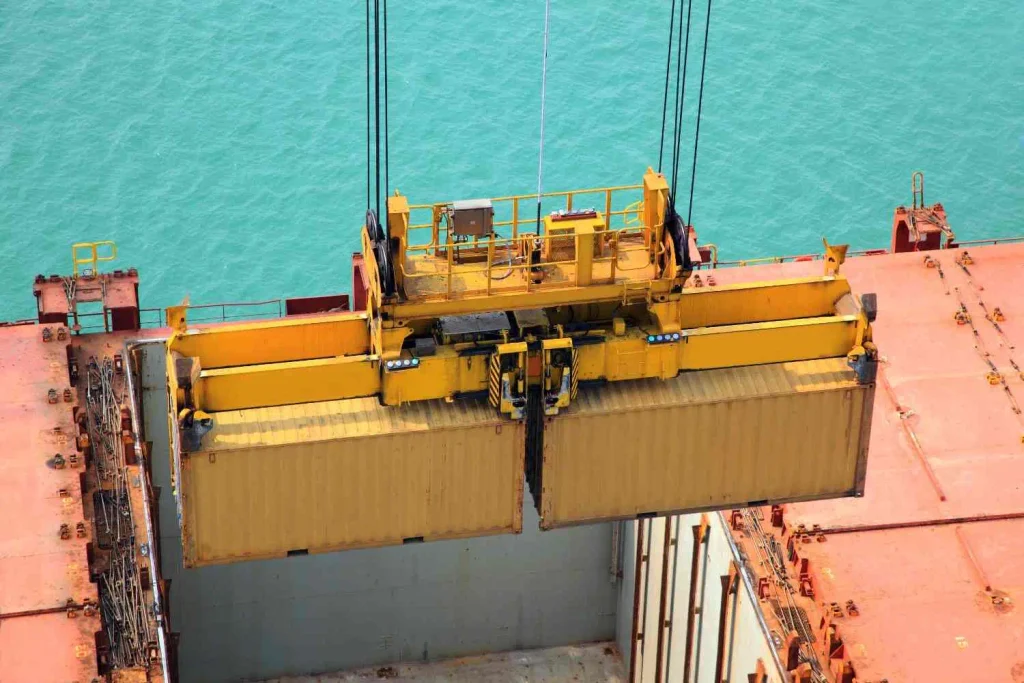
When arranging Cargo Insurance Singapore exporters should consider the following factors before their shipments leave the warehouse.
1. High Cargo Volumes and Port Congestion
Busy port operations involve frequent container movements, vessel schedules, and cargo transfers. Disruptions can extend storage periods or delay shipments, potentially increasing exposure to handling and storage risks. However, a delay alone does not necessarily qualify for compensation under a cargo insurance policy.
2. Multiple Cargo Handling Points
Export goods may pass through warehouse teams, trucking companies, terminal operators, freight forwarders, and shipping lines. Each transfer creates an opportunity for physical damage if cargo is dropped, improperly secured, or handled incorrectly.
For example, an exporter shipping 100 glass components could discover that 10 are broken after unloading. Photographs, packing records, and delivery remarks can help establish when the damage was noticed and support the claim assessment.
3. Transshipment and Extended Storage
Some shipments pass through an intermediate port before reaching their destination. Cargo may be unloaded, temporarily stored, and loaded onto another vessel during this process. Longer transit periods can increase exposure to moisture, handling damage, or other physical risks.
Exporters should confirm that their cargo insurance coverage includes the planned route, transshipment points, and any storage arrangements that require specific approval or an extension.
4. Inland Transportation and Loading Risks
Cargo can be damaged before it reaches PSA or Jurong Port. Truck accidents, shifting loads, inadequate securing, and improper lifting can affect goods during the journey from a warehouse or industrial facility to the terminal.
For instance, a shipment of machinery valued at S$40,000 may be damaged during a truck transfer. Whether the loss is insured depends on the policy’s territorial limits, covered transport stages, exclusions, and applicable conditions.
Why Do Singapore Exporters Face Unique Cargo Risks?
Singapore exporters face cargo risks at several stages of the shipping process, from warehouse dispatch and port handling to transshipment and final delivery. The risks depend on the cargo type, how it is packed, the transport method, and how long the goods remain in storage.
When arranging Cargo Insurance Singapore exporters should consider the following factors before their shipments leave the warehouse.
1. High Cargo Volumes and Port Congestion
Busy port operations involve frequent container movements, vessel schedules, and cargo transfers. Disruptions can extend storage periods or delay shipments, potentially increasing exposure to handling and storage risks. However, a delay alone does not necessarily qualify for compensation under a cargo insurance policy.
2. Multiple Cargo Handling Points
Export goods may pass through warehouse teams, trucking companies, terminal operators, freight forwarders, and shipping lines. Each transfer creates an opportunity for physical damage if cargo is dropped, improperly secured, or handled incorrectly.
For example, an exporter shipping 100 glass components could discover that 10 are broken after unloading. Photographs, packing records, and delivery remarks can help establish when the damage was noticed and support the claim assessment.
3. Transshipment and Extended Storage
Some shipments pass through an intermediate port before reaching their destination. Cargo may be unloaded, temporarily stored, and loaded onto another vessel during this process. Longer transit periods can increase exposure to moisture, handling damage, or other physical risks.
Exporters should confirm that their cargo insurance coverage includes the planned route, transshipment points, and any storage arrangements that require specific approval or an extension.
4. Inland Transportation and Loading Risks
Cargo can be damaged before it reaches PSA or Jurong Port. Truck accidents, shifting loads, inadequate securing, and improper lifting can affect goods during the journey from a warehouse or industrial facility to the terminal.
For instance, a shipment of machinery valued at S$40,000 may be damaged during a truck transfer. Whether the loss is insured depends on the policy’s territorial limits, covered transport stages, exclusions, and applicable conditions.
What Cargo Risks Should Exporters Know About at Jurong Port?
Breakbulk commodities, bulk materials, heavy machinery, and project cargo are among the several types of cargo handled at Jurong Port. Unlike containerized shipments, some of these goods require specialized lifting equipment, rigging, staging, or direct handling. These activities can increase the risk of physical damage during port operations.
When arranging Cargo Insurance Singapore exporters should check whether their policy reflects the cargo type, handling method, and planned transit route.
1. Lifting and Loading Accidents
Heavy machinery and oversized cargo may need cranes, forklifts, slings, or other lifting equipment. Incorrect lifting, shifting loads, or accidental drops can damage machinery, industrial components, and other valuable goods.
For example, if a machinery component valued at S$25,000 is damaged during loading, the potential loss depends on the extent of the damage and the applicable policy terms. Cargo insurance may cover accidental physical damage if the incident falls within the policy’s coverage and no relevant exclusion applies.
What to check: Confirm that loading and unloading activities are covered, including any special handling requirements for heavy or oversized cargo.
2. Breakbulk Cargo Damage
Breakbulk cargo is transported as individual pieces rather than inside standard shipping containers. Items such as steel products, industrial equipment, and packaged machinery may be more exposed to impact, scratching, crushing, or handling errors.
The level of risk depends on the cargo’s size, packaging, lifting points, and how it is secured during movement. Exporters should verify that the policy covers the particular commodities and handling arrangements in a sufficient manner.
What to check: Use suitable protective packaging, secure loose components, photograph cargo conditions before dispatch, and confirm that the insurance policy covers the intended loading and unloading process.
3. Weather Exposure During Port Operations
Cargo awaiting inspection, staging, loading, or onward transport may be exposed to rain, humidity, or other environmental conditions, depending on where and how it is stored. Moisture can affect metal components, machinery, paper products, and moisture-sensitive materials.
Cargo insurance coverage, however, depends on how the policy is worded. Damage caused by rain or moisture may be treated differently depending on the circumstances, packaging, and applicable exclusions.
What to check: Ask how temporary port storage and weather-related physical damage are treated under the policy. Use weather-resistant coverings and appropriate moisture protection where needed.
4. Damage During Inland Transfer to Jurong Port
Export cargo may travel from a warehouse or industrial facility to Jurong Port before being loaded onto a vessel. During this first-mile journey, cargo can be affected by road accidents, sudden movement, inadequate securing, or handling during loading and unloading.
For example, a shipment valued at S40,000couldsustainS8,000 in physical damage during a road transfer. Whether the loss is covered depends on whether the policy includes that inland journey and the circumstances of the incident.
What to check: Confirm that the policy covers the journey from the warehouse or factory to the port, rather than assuming that port-to-port cover includes inland transportation.
5. Choosing Cargo Insurance for Jurong Port Shipments
The appropriate insurance arrangement depends on shipment frequency, cargo value, handling requirements, and route. Exporters shipping heavy machinery or breakbulk cargo should provide accurate details about dimensions, packaging, lifting methods, and any planned storage.
Before purchasing Cargo Insurance Singapore, review these points:
- Cargo type: Confirm that the goods and their handling requirements are accurately declared.
- Loading and unloading: Check whether physical damage during port handling is covered.
- Temporary storage: Review storage conditions, time limits, and any applicable transit termination clauses.
- Inland transit: Verify coverage for transportation between the warehouse, industrial facility, and port.
- Exclusions and claim conditions: Recognise pertinent deductibles, exclusions, notification obligations, and accompanying documentation.
A policy suited to containerized goods may not automatically address every requirement for oversized machinery or breakbulk shipments. Exporters can find possible coverage gaps by reviewing these facts prior to shipping.
Does Cargo Insurance Cover Port Handling Damage, Storage, and Delays?
Cargo insurance may cover physical damage or loss during port handling and storage, but the outcome depends on the policy wording, insured journey, exclusions, and circumstances of the incident. Exporters should not assume that every port-related cost or delay is automatically covered.
When choosing Cargo Insurance Singapore, review how the policy treats the following situations.
Physical Damage During Loading and Unloading
Accidental damage during loading, unloading, or cargo handling may be covered when it falls within the policy terms. Examples include machinery damaged during lifting, cartons crushed during handling, or goods broken while being moved between transport stages.
Coverage, however, is contingent upon the situation and any applicable exclusions. Poor packaging, inadequate securing, or the nature of the goods may affect how a claim is assessed.
What to check: Confirm that loading and unloading are included in the insured transit and ask whether special handling requirements need to be declared.
Port Congestion, Storage, and Moisture Damage
Congestion at PSA Singapore or Jurong Port can extend the time cargo spends waiting for onward transportation. Longer storage periods may increase exposure to moisture, contamination, accidental impact, or other physical hazards.
Cargo insurance generally does not automatically reimburse every expense caused by congestion, such as demurrage, detention, missed delivery deadlines, or lost sales. Physical damage during storage is also subject to the policy’s terms and transit duration limits.
What to check: Review the policy’s storage provisions, transit termination clauses, and any extension requirements. Arrange additional cover where necessary before the existing cover ends.
Cyber Disruptions and Shipping Delays
Digital booking, tracking, and documentation systems help coordinate port operations. A cyber incident or system outage may disrupt cargo release, documentation, or onward transportation.
However, physical loss or damage to the products is not the same as a shipment delay brought on by a digital interruption. Cyber-related losses, delay costs, and other financial losses may be excluded or restricted under a cargo insurance policy.
What to check: Review the policy’s cyber, delay, and consequential-loss exclusions. If digital disruption presents a significant business risk, ask your insurer or broker whether separate protection may be available.
How Can Exporters Check Their Coverage?
Before dispatching cargo through Singapore’s ports, confirm these details with your insurance provider:
- The insured route includes the relevant port handling and storage stages.
- Loading and unloading risks are addressed for the type of cargo being shipped.
- Any time limits for temporary storage or transit are understood.
- Delay-related expenses and cyber-related losses are not assumed to be covered without confirmation.
- Claim notification deadlines and documentation requirements are clear.
Reviewing these conditions before shipment helps exporters understand the scope of their cargo insurance coverage and identify potential gaps before a loss occurs.
Are Inland Transfers Between Singapore Warehouses and Ports Covered?
Cargo often travels by road from a factory, warehouse, or industrial facility to PSA Singapore or Jurong Port before being loaded onto a vessel. This first-mile journey can expose goods to road accidents, theft, shifting loads, and damage during loading or unloading.
Cargo Insurance Singapore exporters choose should reflect the complete journey their goods will take. A policy covering only the sea voyage may not automatically cover every inland transportation stage.
Warehouse-to-Warehouse Transit Coverage
Warehouse-to-warehouse coverage can protect eligible cargo during transit between the point of origin and the final destination, subject to the policy’s terms, conditions, and termination clauses. The actual insured journey should be confirmed rather than assumed from the policy name.
Before arranging cover, confirm whether the policy includes:
- Transportation from the warehouse or factory to the port.
- Loading and unloading at relevant locations.
- Temporary storage during the insured journey, where applicable.
- The sea or air freight leg and onward transportation to the destination.
- Any subcontracted transport arrangements involved in the shipment.
Cross-Border Road and Sea Shipments
Some Singapore exporters move goods by road across the border into Malaysia before connecting with another port or continuing by sea. These shipments may involve several carriers, handovers, and transportation stages.
If different policies cover separate parts of the journey, gaps may arise between the insured sections. For example, cargo might be covered during the sea voyage but not during a road transfer or temporary storage period.
An open cover arrangement may suit businesses that ship regularly, but the covered routes, transport modes, destinations, and reporting requirements must be confirmed with the insurer.
Before dispatch, check that:
- The policy lists the intended origin, destination, and transport modes.
- Cross-border road transportation is included where required.
- Transfers between carriers and ports are addressed.
- Storage periods and transit termination conditions are understood.
- The declared cargo value reflects the shipment being insured.
Checking these details helps exporters arrange cargo insurance coverage that better matches their logistics operations and reduces the risk of unexpected gaps between transportation stages.
How Long Does Cargo Insurance Remain Valid During Storage?
Cargo insurance does not automatically end after a fixed number of days at a Singapore port. Coverage depends on the policy wording, insured transit, destination, and any storage extensions or termination conditions.
When arranging Cargo Insurance Singapore, exporters should understand how long coverage remains valid, especially when cargo is delayed or held for transshipment.
Understanding ICC Transit Termination Clauses
When transit coverage expires is specified by the Institute Cargo Clauses (ICC). Under standard ICC wording, termination can occur when goods reach the final warehouse or storage destination, are used outside the ordinary course of transit, or reach the specified time limit after discharge at the final port.
The standard ICC transit termination provision includes a 60-day limit after discharge at the final port of discharge, subject to other termination conditions. This does not mean every shipment stored at PSA Singapore or Jurong Port automatically loses coverage after 60 days.
When Should Exporters Request a Storage Extension?
Exporters should contact their insurer or broker if cargo may remain in storage longer than the policy permits.
For example, if industrial components valued at S$60,000 are held at a port because of a vessel delay, the exporter should confirm whether coverage continues or an extension is required.
Before shipping, check:
- Transit limits: Confirm when coverage begins and ends.
- Storage conditions: Verify whether temporary storage during transit is covered.
- Termination clauses: Review applicable time limits and conditions.
- Extensions: Obtain the insurer’s agreement when additional storage coverage is required.
When choosing Cargo Insurance Singapore, provide accurate shipment dates and expected storage periods to help identify potential coverage gaps.
How Should Singapore Exporters Calculate Cargo Insurance Value?
When arranging Cargo Insurance Singapore, exporters should declare an insured value that reflects the shipment’s value and the terms of their sales contract. Underinsuring cargo may leave a shortfall if a covered loss occurs, while the amount payable remains subject to the policy’s limits, conditions, and claim assessment.
CIF Value, Additional Insured Amount, and Re-Exports
For shipments sold under CIF (Cost, Insurance and Freight), the commercial invoice and applicable contract terms can help determine the value to insure. Some trade finance arrangements, such as those governed by UCP 600, may require insurance for at least 110% of the relevant CIF or CIP value. This is not a universal requirement for every shipment.
For re-exports, exporters should check the declared goods value, freight costs, applicable contract requirements, and any additional amount permitted by the policy.
Choosing Open Cover or Single-Shipment Insurance
The right cargo insurance policy depends on how frequently your business ships goods.
- Single-shipment insurance: Suitable for businesses insuring an individual shipment or occasional exports.
- Open cover: May suit businesses that ship regularly, subject to agreed routes, cargo types, reporting requirements, and policy conditions.
Before purchasing Cargo Insurance Singapore, confirm the insured value, deductible, coverage limits, exclusions, and whether all transport stages are included. This helps reduce the risk of underinsurance or unexpected coverage gaps.
What Should You Do If Cargo Is Damaged at PSA or Jurong Port?
If cargo is damaged at PSA Singapore or Jurong Port, document the damage, notify the relevant parties promptly, and follow your insurer’s claim procedures. A successful claim depends on the policy terms, evidence, and assessment of the loss.
Document Damage and Notify Your Insurer
Singapore exporters should take these steps:
- Photograph the damage: Capture damaged goods, packaging, containers, and visible handling issues.
- Record the details: Note when and where the damage was discovered, and include delivery receipts or handling records.
- Notify relevant parties: Inform your insurer or broker, carrier, freight forwarder, and terminal operator as appropriate.
- Arrange an inspection: Follow the insurer’s instructions regarding a survey or independent inspection before disposing of damaged goods.
- Prepare claim documents: Keep the commercial invoice, packing list, bill of lading, insurance certificate, survey report, and repair or loss estimates.
For example, if machinery valued at S$25,000 is damaged during port handling, photographs and a survey report can help establish the extent and circumstances of the loss.
When arranging Cargo Insurance Singapore, check the policy’s notification deadlines, documentation requirements, deductibles, and exclusions before shipping. Prompt reporting helps preserve evidence, but compensation remains subject to the insurer’s assessment and policy terms.
Also Read: Cargo Theft Prevention: How Businesses Can Secure Goods Across Global Supply Chains



One Response