
Introduction
Shipping goods across borders or even within your own country isn’t always smooth sailing. From rough seas to sudden accidents, cargo handling errors, and even theft — there are plenty of risks your shipment might face. Imagine spending thousands of dollars on products, only to lose them during transit. That’s where a cargo insurance coverage policy comes in to save the day.
A cargo insurance policy acts as a safety net for your shipments. Whether you’re an exporter, importer, freight forwarder, or an eCommerce business owner, having reliable cargo policy insurance ensures your goods are financially protected if something unexpected happens.
In simple words — this coverage keeps your business secure, your clients confident, and your deliveries worry-free. Let’s break down exactly what a cargo insurance policy is, how it works, and why it’s one of the smartest investments any shipper can make.
Key Takeaways
- A cargo insurance policy protects your goods during transit, covering risks like damage, theft, and loss.
- There are multiple types of cargo insurance policy, including marine, air, land transport, parcel, and freight forwarder liability insurance.
- Choosing the right cargo cover insurance policy depends on the value of goods, transport mode, destination, and trusted provider support.
- Understanding coverage, exclusions, and cost ensures your business avoids financial loss and ships with confidence.
What Is a Cargo Insurance Policy?
A cargo insurance policy is a type of coverage that protects your goods while they’re being transported from one place to another—whether by sea, air, or land. It’s basically a promise that if your cargo gets lost, damaged, or stolen during transit, you’ll be compensated for the value of that shipment.
Think of it as a safety shield for your business. Once your goods leave the warehouse, they’re exposed to a variety of risks — rough weather, handling errors, accidents, or even piracy in some routes. Having a cargo policy insurance ensures you don’t bear the financial burden if things go wrong.
A cargo policy of insurance typically covers both domestic and international shipments. It’s widely used by:
- Importers and exporters moving goods between countries
- Freight forwarders and logistics companies managing bulk shipments
- Manufacturers and traders who send goods regularly
- E-commerce businesses delivering products across borders
Simply put, a cargo insurance policy makes sure that your shipments are protected from the moment they’re dispatched until they safely reach their destination — giving you complete peace of mind throughout the journey.
Why Is Cargo Insurance Important?
When your goods are traveling thousands of miles, anything can happen. From storms at sea to damaged packaging or unexpected delays, there’s always some level of risk involved in shipping. That’s exactly why a cargo insurance policy is so important — it protects your investment and keeps your business financially secure.
Here are a few reasons why businesses rely on cargo insurance policies:
1. Financial Protection Against Loss or Damage
No matter how careful your logistics team is, accidents happen. A cargo cover insurance policy ensures that if your goods are damaged, stolen, or lost in transit, you’ll be compensated for the financial loss. This coverage helps businesses stay stable, even when things don’t go as planned.
2. Compliance with Trade and Shipping Requirements
In many cases, having a cargo insurance policy isn’t just a choice — it’s a requirement. Some trade agreements, shipping contracts, and customs processes demand proof of insurance before the cargo is cleared. Being insured keeps your business compliant and professional.
3. Peace of Mind for Businesses and Clients
When you know your goods are protected by a strong cargo insurance policy, you can focus on growth instead of worrying about every shipment. It also boosts your clients’ confidence — they know their products are in safe hands.
Types of Cargo Insurance Policies
Not all shipments are created equal—and neither are the risks they face. From fragile electronics to bulk commodities, each cargo type demands a different level of protection. That’s why choosing the right cargo insurance policy is essential for safe and secure shipping.
Here’s a breakdown of the most common types of cargo insurance policy options available, tailored to different transport modes and business needs:
1. Marine Cargo Insurance
This cargo policy insurance covers goods transported by sea or inland waterways. It’s ideal for international shipments, offering protection against maritime risks such as rough seas, vessel collisions, fire, and even sinking. Whether you’re shipping full containers or loose bulk cargo, marine cargo insurance ensures your goods are covered from port to port.
2. Air Freight Insurance
Designed for cargo transported by air, this policy safeguards high-value or time-sensitive goods from loss, theft, or damage during loading, transit, and unloading. If you’re shipping electronics, pharmaceuticals, or fashion items, air freight insurance offers fast and reliable coverage across global air routes.
3. Land Transport Insurance
When your cargo travels by truck or rail, land transport insurance steps in to protect against road accidents, theft, vandalism, and natural hazards. It’s a must-have for domestic shipments and cross-border logistics, especially in regions with unpredictable road conditions.
4. Parcel Insurance
Perfect for eCommerce sellers and small businesses, parcel insurance covers individual packages sent via courier or postal services. It protects against misdelivery, damage, or loss—especially during last-mile delivery, where risks are highest.
5. Freight Forwarder Liability Insurance
Freight forwarders handle complex logistics and multiple shipments daily. This cargo policy of insurance protects them from legal liability if a shipment under their care is lost, delayed, or damaged. It’s essential for logistics providers who act as intermediaries between shippers and carriers.
6. Sea Freight Insurance
A specialized form of marine insurance, sea freight insurance focuses specifically on ocean-bound cargo. It offers targeted protection against piracy, severe weather, and port handling incidents—making it ideal for exporters shipping goods across long maritime routes.
What Does a Cargo Insurance Policy Cover?
A cargo insurance policy isn’t just a formality—it’s your financial safety net when goods are on the move. Whether you’re shipping across borders or within your country, this policy helps you recover from unexpected losses that could otherwise derail your business.
Depending on the type of cargo cover insurance policy you choose, coverage can range from broad protection to specific risk-based plans.
All-Risk vs. Named Perils Coverage
All-Risk Policies These offer the most comprehensive protection, covering nearly all types of physical loss or damage—unless specifically excluded. If you’re shipping high-value or fragile items and want maximum peace of mind, this is your go-to cargo policy insurance.
Named Perils Policies This type of cargo policy of insurance only covers risks explicitly listed in the policy—such as fire, theft, or collision. It’s more budget-friendly but comes with narrower coverage, making it suitable for low-risk shipments or cost-sensitive operations.
What’s Typically Covered
A standard cargo insurance policy usually includes protection against:
- Natural disasters like storms, lightning, earthquakes, or floods
- Accidents during loading, unloading, or transit
- Theft, piracy, or hijacking during transport
- Handling errors or physical damage caused by improper stacking or shifting
These coverages apply across various modes—whether your cargo is traveling by sea, air, land, or parcel delivery.
Common Exclusions to Watch Out For
Even the best cargo insurance policies have limits. Common exclusions include:
- War, terrorism, or political unrest
- Poor packaging or inherent defects in the goods themselves
- Delays not caused by physical damage (e.g., customs hold-ups or scheduling issues)
Understanding these exclusions helps you avoid surprises and choose the right cargo policy insurance for your business.
How to Choose the Right Cargo Insurance Policy
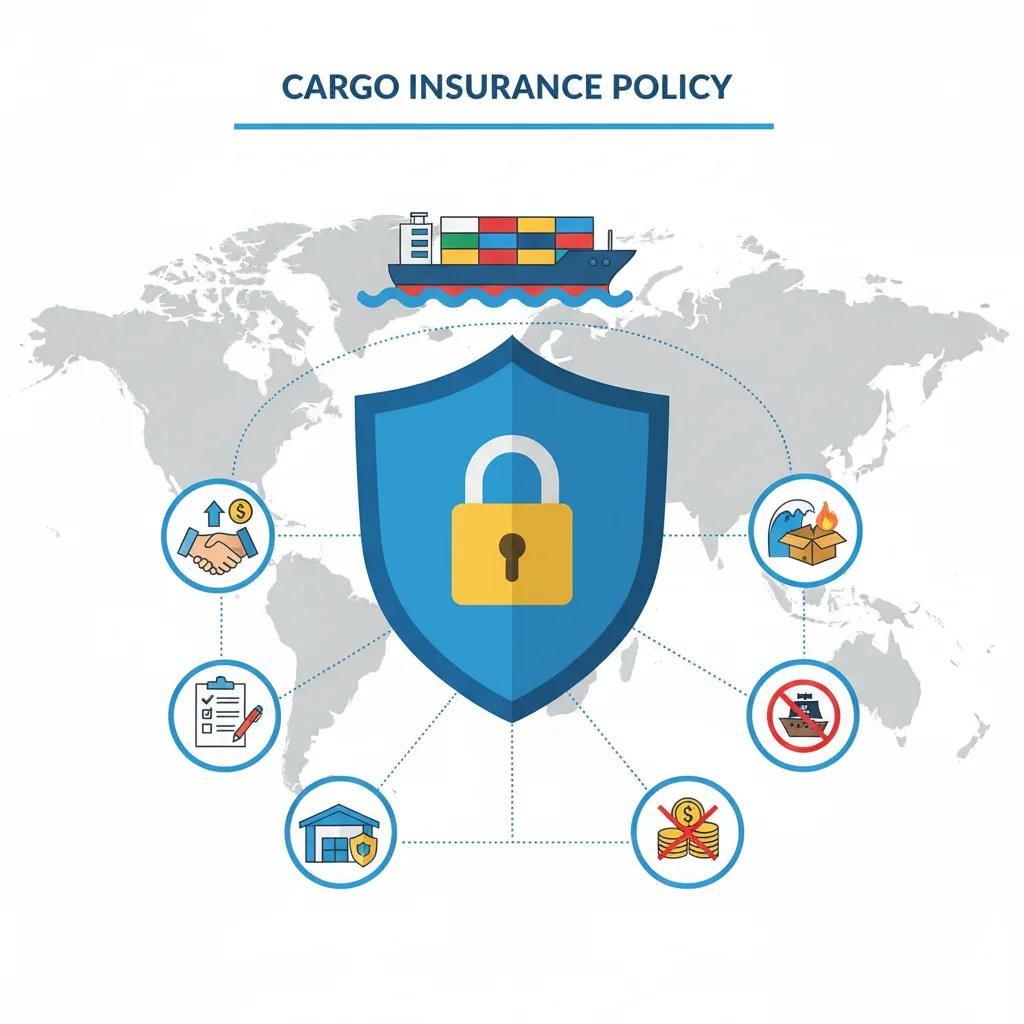
Choosing the right cargo insurance policy doesn’t have to be complicated. It’s all about understanding your shipment’s value, the risks it may face, and the kind of protection your business truly needs.
Whether you’re shipping electronics to Southeast Asia or textiles across Europe, the right cargo cover insurance policy can make all the difference in how confidently you operate.
Key Factors to Consider
1. Value of Your Goods
If you’re shipping high-value items—like machinery, luxury goods, or electronics—comprehensive coverage is essential. The higher the value, the greater the financial risk if something goes wrong. A robust cargo policy insurance ensures you’re not left exposed.
2. Destination and Route
Some shipping routes are riskier than others due to weather conditions, theft hotspots, or political instability. Make sure your cargo policy of insurance is tailored to the specific risks of your route, whether it’s a busy port in Southeast Asia or a remote inland destination.
3. Mode of Transport
Sea, air, and land each come with unique risk profiles. For example, sea freight may face piracy or rough weather, while road transport might encounter theft or accidents. Choosing the right types of cargo insurance policy based on your transport mode ensures maximum protection.
4. Reputation of the Provider
Working with a reliable provider like CargoInsurePro means smoother claims, better support, and policies that actually fit your business model. Look for insurers with experience in your industry and trade lanes.
5. Policy Terms and Exclusions
Always read the fine print. Understand what’s covered—and what’s not. Some policies may exclude delays, poor packaging, or certain types of damage. Knowing these details upfront helps avoid surprises later.
By evaluating these factors, you’ll be better equipped to select a cargo insurance policy that protects your goods, supports your operations, and fits your budget.
How Much Does Cargo Insurance Cost?
One of the most common questions businesses ask is: “How much will a cargo insurance policy cost?” The answer depends on several factors, and understanding them helps you get the right coverage without overpaying.
Factors That Affect Cargo Insurance Cost
Several variables influence the premium of your cargo policy insurance:
- Type of Cargo Fragile, perishable, or high-value goods (like electronics or artwork) usually cost more to insure than durable, low-risk items.
- Value of the Shipment Most cargo insurance policies calculate premiums as a percentage of the declared cargo value. The higher the value, the higher the premium.
- Mode of Transport Air freight tends to be more expensive to insure than sea or land transport due to faster handling and higher risk exposure.
- Route and Destination Shipping through high-risk regions—due to theft, piracy, extreme weather, or political instability—can increase your insurance cost.
Average Premium Ranges
On average, cargo insurance premiums range from 0.1% to 1% of the shipment’s total value.
For example: If your cargo is valued at $50,000, your insurance cost could fall between $50 and $500, depending on the coverage type and risk factors.
Common Myths About Cargo Insurance
Even seasoned shippers sometimes misunderstand what a cargo insurance policy actually covers. These misconceptions can lead to costly mistakes or missed opportunities for protection.
Let’s bust some of the most common myths so you can make smarter, more confident decisions about your cargo cover insurance policy.
Myth 1: “It’s Only for Large Shipments”
Many businesses assume cargo insurance policies are only meant for full containers or bulk freight. In reality, even small parcels, partial shipments, and eCommerce orders face risks like mishandling, theft, or damage.
Whether you’re shipping a single box or a full truckload, a cargo policy insurance ensures your goods are protected.
Myth 2: “It’s Too Expensive”
Some companies skip insurance thinking it’s a luxury. But the truth is, most cargo insurance policies cost between 0.1% and 1% of the shipment’s value.
For example, insuring a $10,000 shipment might cost as little as $10–$100. That’s a small price to pay for peace of mind and financial protection.
Myth 3: “My Carrier Already Covers Everything”
While carriers do offer basic liability coverage, it’s often limited and may not reflect the full value of your goods. Plus, it may exclude certain risks like theft or natural disasters.
A dedicated cargo policy of insurance fills those gaps—offering broader, more reliable protection during transit.
Myth 4: “Insurance Is Only Necessary for International Shipments”
Domestic shipments aren’t immune to risk. Accidents, road theft, floods, and handling errors can happen anywhere.
Whether you’re shipping across town or across borders, a cargo insurance policy helps safeguard your goods and your business.
Frequently Asked Questions (FAQs)
Q1. Is cargo insurance mandatory?
Ans: Not always. While it’s not legally required for all shipments, many international trade contracts and shipping agreements mandate a valid cargo insurance policy. Having insurance ensures compliance and protects your business financially.
Q2. Can I insure partial shipments?
Ans: Yes. You can choose coverage for full or partial shipments depending on your needs. Small parcels, high-value items, or even bulk cargo can all be insured with the right cargo cover insurance policy.
Q3. What’s the difference between open cover and single shipment policies?
- Open Cover: Provides continuous coverage for multiple shipments over a period. Ideal for businesses that ship regularly.
- Single Shipment Policy: Covers a specific shipment only. Best for one-off shipments or irregular exporters.
Q4. Does cargo insurance cover natural disasters?
Ans: Yes, most cargo insurance policies offer coverage for natural disasters such as storms, floods, earthquakes, and lightning — depending on whether you choose an all-risk or named perils policy.
Conclusion
Shipping goods, whether locally or internationally, comes with risks — from accidents and natural disasters to theft and handling errors. A cargo insurance policy ensures that your business is protected against these uncertainties, giving you both financial security and peace of mind.
With the right cargo cover insurance policy, you can focus on growing your business, knowing your shipments are fully protected from departure to delivery. Choosing a trusted provider like CargoInsurePro ensures smooth claims processing, tailored coverage, and support across Singapore, Thailand, Malaysia, Cambodia, China, and India.
Don’t leave your shipments unprotected. Get a quote from CargoInsurePro today and ship with confidence!