
Introduction
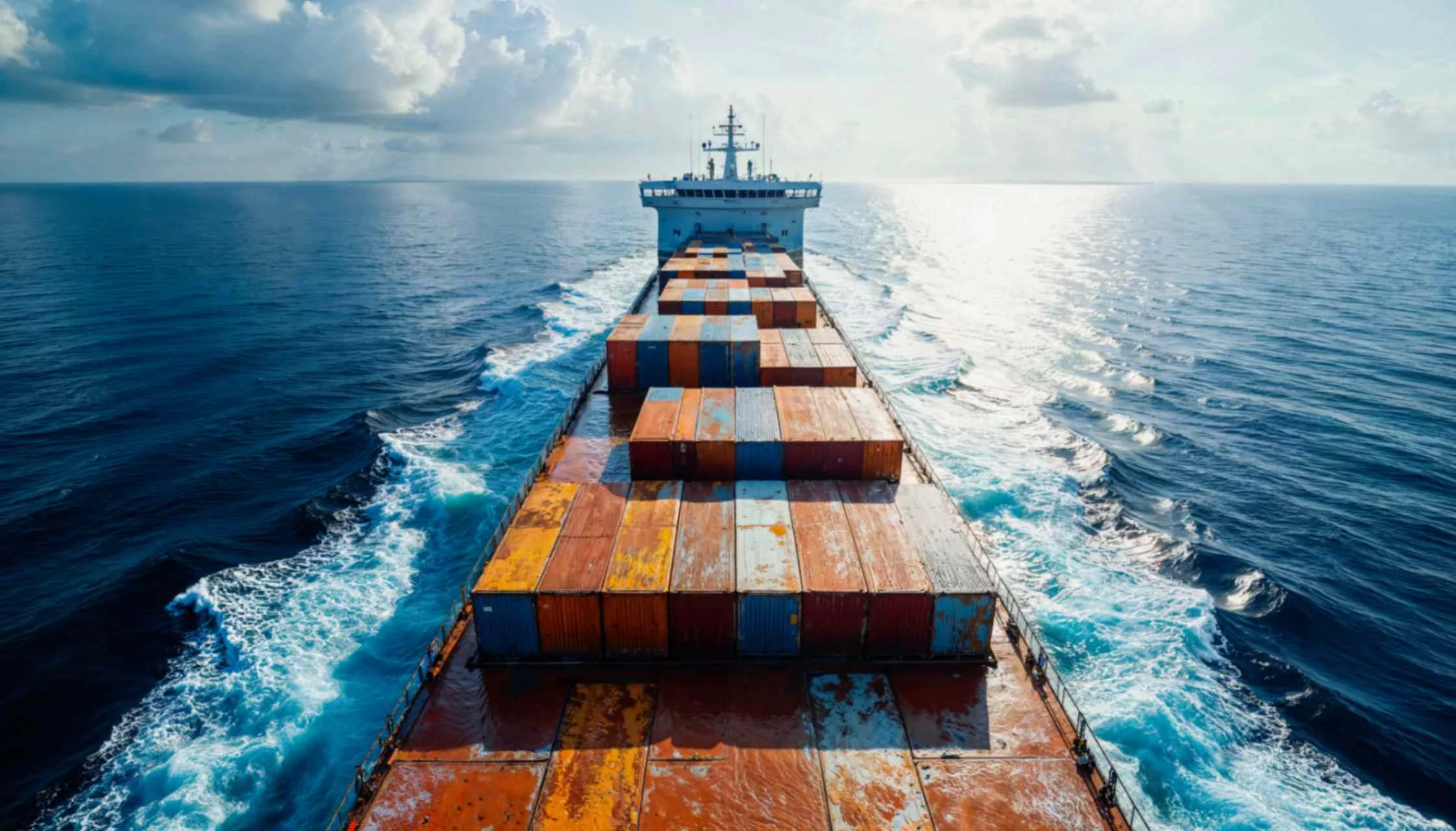
In global trade, some shipments are too large or complex to move using standard containers. These are known as project cargo shipments, and they often include heavy machinery, industrial equipment, and large construction materials used in major projects.
Because of their size and value, shipping project cargo requires careful planning and proper project cargo management. These shipments usually travel through multiple transport stages and ports, which increases the risk of damage, delays, or loss.
This is why project cargo insurance is essential for importers and exporters. It provides important cargo insurance coverage that helps protect businesses from financial losses when transporting oversized and high-value cargo across international routes.
Key Takeaways
- Project cargo includes large or heavy equipment that requires special transport planning.
- These shipments often move through multiple transport modes, increasing risks during transit.
- Industries like construction, energy, and manufacturing frequently ship such cargo.
- Insurance helps protect valuable shipments from damage, delays, or loss.
What Is Project Cargo?
Project cargo refers to the transportation of large, heavy, or complex equipment that cannot be shipped using standard freight methods. These shipments usually require special handling, customized transport equipment, and detailed project cargo management to ensure safe delivery.
Businesses involved in large industrial or infrastructure projects often rely on project cargo shipments to move critical equipment across countries. Because these goods are often expensive and difficult to replace, many companies choose project cargo insurance to protect them during transit.
Examples of Project Cargo Shipments
Project cargo can include a wide range of oversized or heavy goods used in industrial and infrastructure projects. Some common examples include:
- Heavy machinery used in mining or construction projects
- Industrial equipment for factories and manufacturing plants
- Construction materials such as large steel structures
- Energy and infrastructure components like turbines, generators, and transformers
These types of shipments often require specialized planning when shipping project cargo to ensure they reach their destination safely.
Industries That Commonly Ship Project Cargo
Several industries depend on project cargo shipments to support their operations and large-scale projects. These industries often move equipment across international routes, which makes proper planning and insurance important.
Common industries include:
- Oil and gas, transporting drilling equipment and pipelines
- Construction and infrastructure, shipping large structural materials
- Manufacturing, moving heavy production machinery
- Renewable energy, transporting wind turbines and other energy components
Because these shipments are valuable and complex, many businesses use high-value cargo insurance to reduce risks during transportation.
Why Project Cargo Insurance Is Essential
Shipping project cargo is more complex than transporting regular goods. These shipments are often oversized, expensive, and require careful handling. Because of these factors, project cargo insurance is essential for businesses involved in international trade.
1):- High Value and Oversized Cargo Risks
Large equipment such as turbines, heavy machinery, and industrial components are vulnerable to damage during transit. High-value cargo insurance helps protect businesses from costly losses.
2):- Multiple Transportation Stages
Most project cargo shipments move through several transport methods, including sea, air, and land. Proper cargo insurance coverage ensures protection at every stage.
3):- Exposure to Damage, Theft, and Delays
When shipping project cargo, risks like handling errors, theft, and delays can occur. Insurance helps reduce the financial impact of these unexpected issues.
4):- Financial Protection for Importers and Exporters
Insurance is ultimately about having peace of mind. With project cargo insurance, companies can focus on growth and trade without worrying about unexpected losses.
Key Risks in Southeast Asia Logistics
Transporting large and complex shipments across Southeast Asia can involve several challenges. When businesses are shipping project cargo, understanding these risks is important to ensure safe delivery and proper cargo insurance coverage.
1):- Weather and Natural Disruptions
Southeast Asia often experiences heavy rainfall, storms, and seasonal weather changes. These conditions can delay shipments or cause damage during transit, making cargo insurance important for protecting valuable goods.
2):- Port Handling Risks
Busy ports in the region handle large volumes of cargo every day. During loading and unloading, heavy equipment and oversized cargo may face handling risks that could lead to damage.
3):- Complex Customs Procedures
Project cargo shipments often pass through multiple countries. Different customs rules and documentation requirements can sometimes slow down the shipping process.
4):- Multi-country Transportation Challenges
Many shipments move across several countries by sea and land. This increases logistical complexity, which is why strong project cargo management and reliable insurance coverage are essential.
What Does Project Cargo Insurance Cover?
When businesses are shipping project cargo, the shipments often involve high-value equipment and complex transportation routes. Project cargo insurance helps protect these shipments from various risks that may occur during transit.
1):- Physical Damage During Transit
One of the main benefits of project cargo insurance is protection against physical damage. If cargo is damaged due to accidents, rough handling, or external factors during transportation, insurance helps cover the loss.
2):- Loading and Unloading Risks
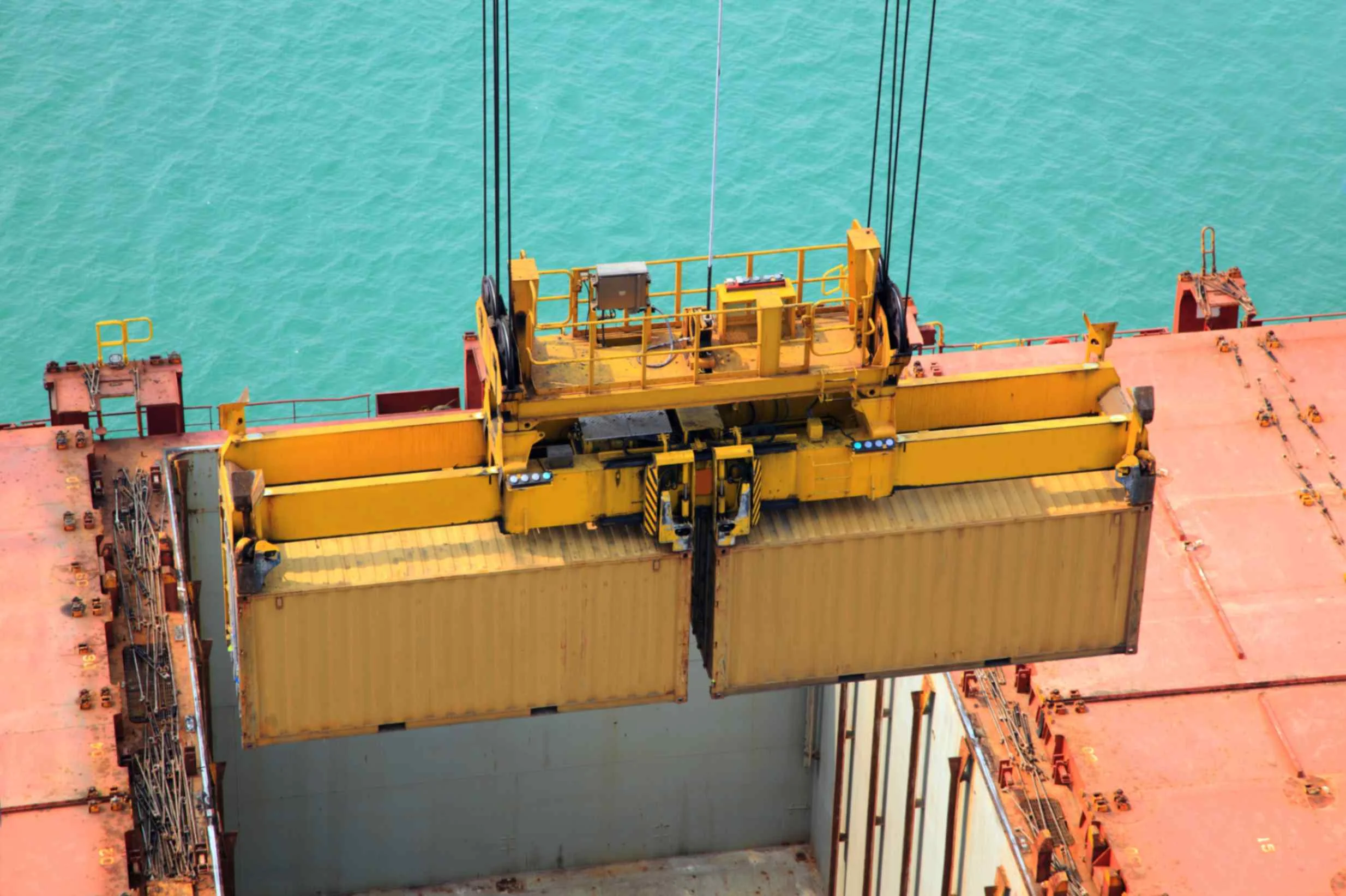
Project cargo often requires cranes and heavy equipment for loading and unloading. During these operations, there is always a risk of damage. Proper cargo insurance coverage helps protect shipments during these critical stages.
3):- Accidental Damage or Loss
Unexpected incidents such as vehicle accidents, equipment failure, or cargo shifting during transport can cause damage or loss. With high-value cargo insurance, businesses can reduce the financial impact of such events.
4):- Coverage During Sea, Air, and Land Transport
Most project cargo insurance policies provide protection across multiple transportation modes. This means shipments remain protected whether they are moved by sea, air, or land during their journey.
Types of Transport Covered Under Project Cargo Insurance
Project cargo shipments often move through different transportation methods before reaching their final destination. Project cargo insurance helps protect goods throughout these stages of transportation.
1):- Sea Freight Shipments
Sea freight is commonly used for transporting large and heavy equipment because ships can handle oversized cargo. In such cases, sea freight insurance helps protect shipments from risks during long ocean transit.
2):- Air Freight Shipments
Air freight is used for urgent or time-sensitive cargo. Since these shipments are often valuable, air freight insurance helps protect them from damage or loss during transit.
3):- Land Transport and Cross-Border Trucking
After reaching ports or airports, cargo is usually transported by trucks to the final destination. Land transport insurance helps protect shipments from risks during road and cross-border transportation.
4):- Multimodal Transportation
Many shipments use a combination of sea, air, and land transport. Effective project cargo management along with the right project cargo insurance ensures that the cargo remains protected across every stage of the journey.
How Importers and Exporters Can Choose the Right Insurance
Choosing the right project cargo insurance is important for protecting valuable shipments during international transportation. Businesses should evaluate their cargo and shipping risks before selecting the right policy.
1):- Assessing Cargo Value and Risk
Importers and exporters should first understand the value of their shipment and the possible risks involved when shipping project cargo. High-value equipment and oversized cargo usually require stronger protection.
2):- Understanding Coverage Limits
Every insurance policy has specific coverage limits. Businesses should review these limits carefully to ensure the cargo insurance coverage is sufficient for their shipment value.
3):- Checking Policy Exclusions
It is also important to check what is not covered in the policy. Understanding exclusions helps businesses avoid surprises if a claim needs to be made.
4):- Working with Specialized Cargo Insurance Providers
Companies that frequently handle project cargo shipments should work with experienced cargo insurance providers. These specialists understand project cargo management and can recommend the most suitable coverage.
Benefits of Project Cargo Insurance for Businesses
For companies involved in large industrial or infrastructure projects, project cargo insurance offers several important advantages. It helps businesses protect valuable shipments and manage risks during transportation.
1):- Financial Security for High-Value Shipments
Large equipment and industrial components can be extremely expensive. High-value cargo insurance helps businesses recover financial losses if cargo is damaged or lost during transit.
2):- Reduced Business Risk
When shipping project cargo, many unexpected risks can occur. Insurance helps reduce the financial impact of accidents, delays, or handling issues.
3):- Better Supply Chain Confidence
With proper cargo insurance coverage, businesses can move their shipments with greater confidence, knowing their cargo is protected throughout the journey.
4):- Protection for International Trade Operations
For importers and exporters managing project cargo shipments across multiple countries, insurance provides an extra layer of security and helps maintain smoother global trade operations.
Also Read: Carrier Liability vs Cargo Insurance: Which Offers Better Protection for Your Shipments?
FAQ’s
Q1):- What is project cargo in marine insurance?
Ans:- Project cargo in marine insurance refers to the transportation of large, heavy, or complex equipment that requires specialized handling and logistics planning. These shipments often include industrial machinery or infrastructure components that cannot be shipped in standard containers.
Q2):- What does project cargo insurance typically cover?
Ans:- It typically covers physical damage, accidental loss, and risks that may occur during loading, unloading, and transportation by sea, air, or land.
Q3):- What is an example of a project cargo?
Ans:- Examples of project cargo include wind turbines, generators, heavy construction machinery, and industrial transformers used in infrastructure or energy projects.
Q4):- What are the risks of project cargo?
Ans:- Common risks include damage during handling, transport accidents, weather disruptions, and delays at ports or borders. These risks can lead to significant financial losses if not properly managed.
Conclusion
Transporting oversized and high-value equipment requires careful planning and risk management. Project cargo insurance plays an important role in protecting businesses from unexpected losses during transit.
Since project cargo shipments often move through multiple transport stages and countries, the chances of damage, delays, or handling risks can increase. With the right cargo insurance coverage, importers and exporters can protect their investments and ensure smoother logistics operations.
For businesses involved in shipping project cargo, securing proper insurance is a smart step toward reducing risk and maintaining confidence in international trade.