

Introduction
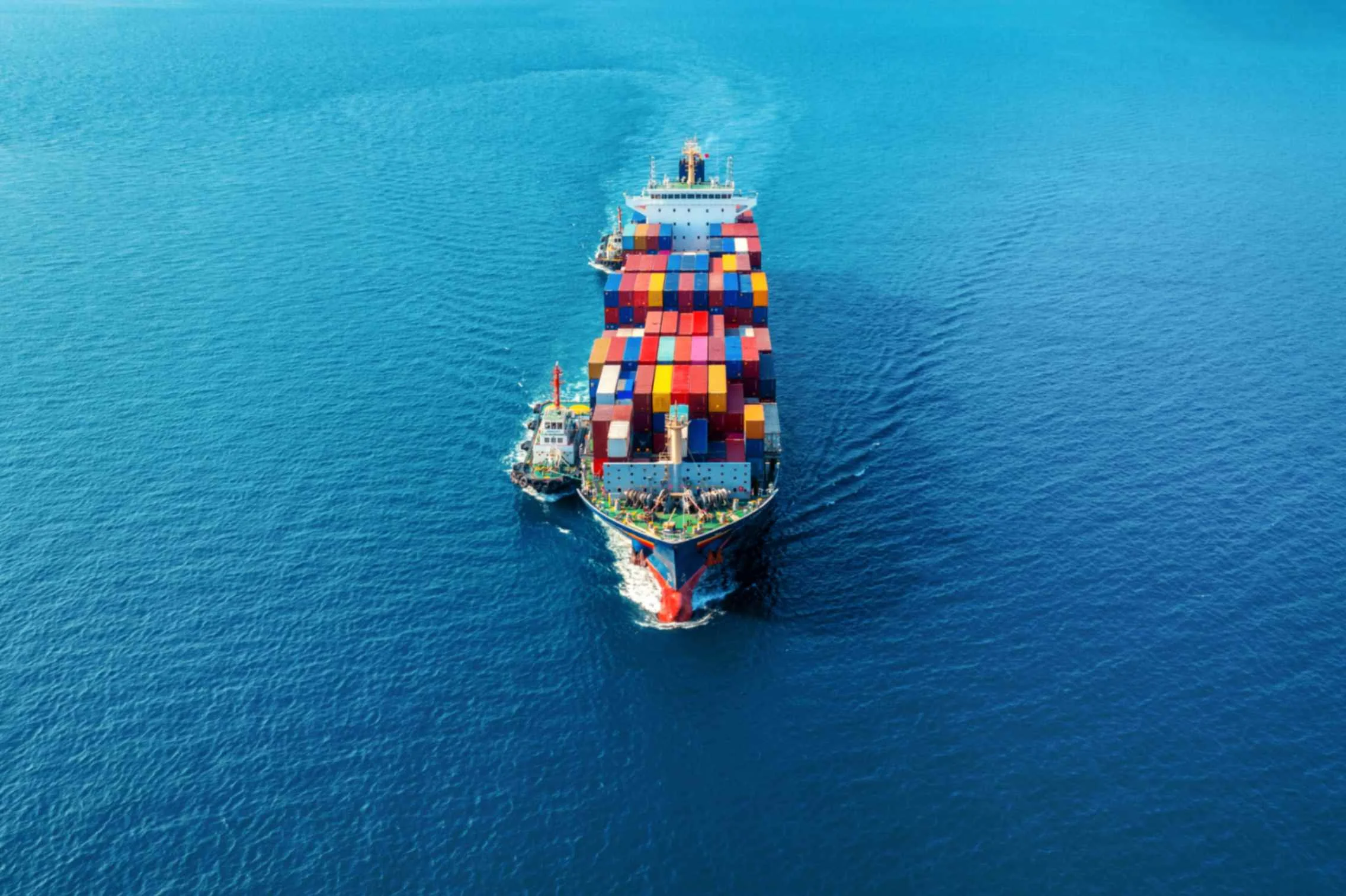
The difference between marine and cargo insurance is simple: marine insurance covers ships, vessels, and certain maritime liabilities, while cargo insurance protects the goods being transported. Choosing the right policy helps businesses reduce financial risk and avoid costly coverage gaps during transit.
Although these terms are often used interchangeably, they serve different purposes. Understanding the difference between marine and cargo insurance helps businesses choose the right coverage based on their shipping methods, cargo value, and transit risks.
In this guide, you’ll learn what marine insurance and cargo insurance cover, the key differences between them, and how to choose the right protection for your business in 2026.
What Is Marine Insurance?
Marine insurance protects businesses against financial losses when goods are transported by sea. Depending on the policy, it can also cover ships, freight, and certain liabilities related to maritime operations.
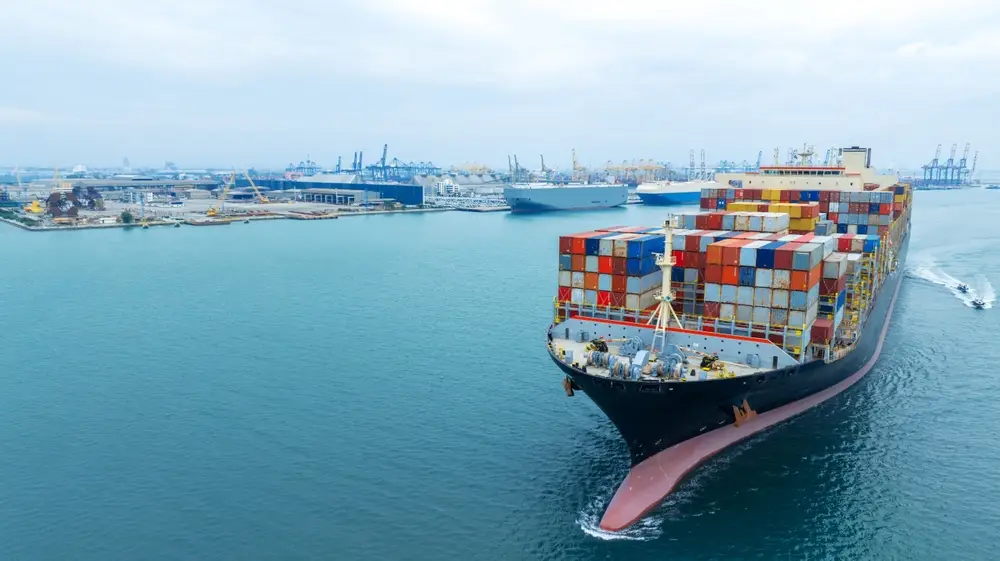
Marine insurance plays an important role in international trade by helping businesses manage the risks involved in ocean shipping. Whether cargo is damaged by severe weather, lost during transit, or affected by accidents while loading and unloading, the right policy can help reduce the financial impact.
What Does Marine Insurance Cover?
A marine insurance policy may cover:
- Loss or damage to cargo during sea transit
- Accidents such as collisions, fire, or vessel sinking
- Theft, piracy, and other covered transit risks
- Damage during loading and unloading at ports
- Ships, vessels, and certain maritime liabilities, depending on the policy
Marine insurance is commonly used by importers, exporters, manufacturers, and logistics companies that regularly transport goods by sea.
What Is Cargo Insurance?
Cargo insurance protects goods against financial loss or damage while they are being transported. Depending on the policy, it can cover shipments moved by sea, air, road, or rail, helping businesses recover losses caused by covered transit risks.
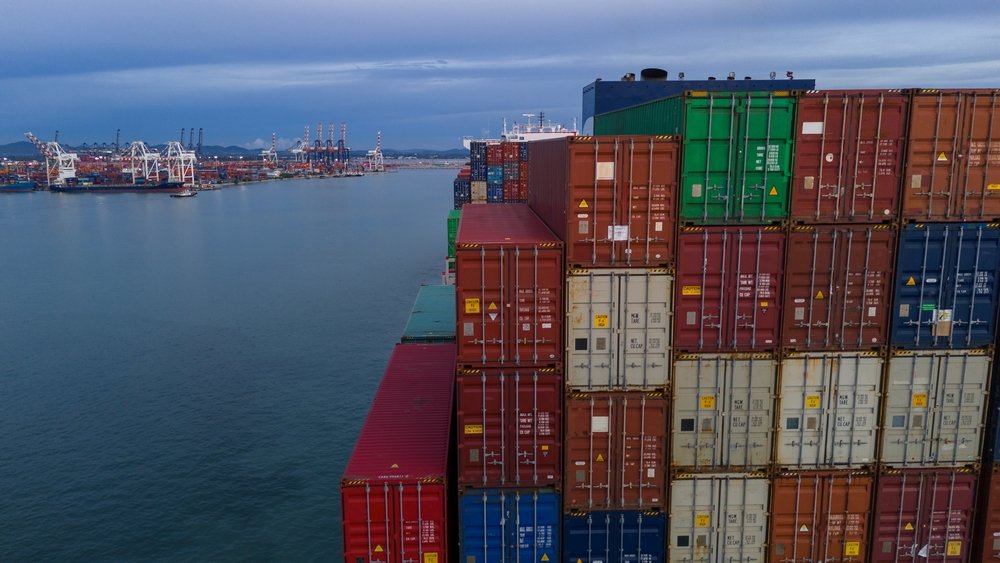
Whether you’re shipping products domestically or internationally, cargo insurance helps safeguard the value of your goods throughout the journey. It is especially valuable for businesses transporting high-value, fragile, or time-sensitive shipments.
What Does Cargo Insurance Cover?
- Loss, damage, or theft of goods in transit
- Accidents during handling, loading, or unloading
- Natural disasters impacting cargo (storms, floods, earthquakes)
- Spoilage or deterioration for sensitive goods, depending on the policy
By investing in a marine cargo insurance policy, businesses transfer the financial risk of transit accidents to the insurer, ensuring losses don’t disrupt cash flow or supply chain operations.
Key Differences Between Marine and Cargo Insurance
Marine insurance and cargo insurance both help manage shipping risks, but they serve different purposes. Marine insurance offers broader protection that may include ships, freight, and certain maritime liabilities, while cargo insurance focuses on protecting the goods being transported.
Understanding these differences can help businesses choose the right coverage for their shipping operations.

Here’s a quick breakdown:
Feature | Marine Insurance | Cargo Insurance |
Coverage Scope | Protects vessels, cargo, and liabilities | Protects only the goods being transported |
Who Uses It | Shipowners, carriers, freight operators | Importers, exporters, businesses shipping goods |
Transport Modes | Mainly sea, sometimes multimodal (sea + land/air) | Sea, air, road, rail — all transport modes |
Policy Type | Broader and more complex | Focused, simpler, shipment-based policies |
Premiums | Higher due to wide coverage | Based on cargo value, type, and risk |
Claims Process | Can involve multiple parties (shipowner, carrier, insurer) | Usually handled directly by cargo owner and insurer |
Both types of insurance play an important role in reducing financial risk. The right choice depends on what you’re shipping, how it’s transported, and the level of protection your business requires.
Why the Distinction Matters in 2026
Global trade is evolving fast, and so are the risks involved in shipping. Understanding the difference between marine and cargo insurance is more important than ever, especially in 2026, when businesses face more complex logistics and higher exposure to potential losses.
Key Reasons the Distinction Matters:
1:- Evolving Trade Routes
International shipments often pass through multiple ports and countries before reaching their destination. While marine cargo insurance helps manage risks associated with sea transport, the right cargo insurance coverage ensures your goods remain protected throughout the journey, depending on the policy terms.
2:- Rise of Multimodal Logistics
Many businesses now move goods using a combination of road, sea, air, and rail transport. Reviewing your marine cargo policy coverage helps ensure your shipments have appropriate protection across different stages of transit.
3:- Regulatory Updates and Compliance
International trade regulations and customer requirements continue to evolve. Choosing the right insurance policy helps businesses meet contractual obligations, support smoother customs processes, and reduce the risk of delays caused by insufficient coverage.
4:- Industry Trends in Southeast Asia and India
Businesses shipping across Singapore, Malaysia, Thailand, India, China, and Cambodia face challenges such as severe weather, cargo theft, port congestion, and accidental damage. Understanding marine insurance vs cargo insurance makes it easier to select coverage that matches your shipping risks and business needs.
Which One Should Your Business Choose?
Choosing between marine insurance and cargo insurance — or deciding to use both — depends on your business needs, shipment type, and risk exposure. Let’s break it down so it’s easy to decide.
Factors to Consider:
- Type of Cargo
- High-value, fragile, or sensitive goods (electronics, pharmaceuticals, luxury items) benefit from cargo insurance coverage with comprehensive protection.
- If your business also owns or operates vessels, marine insurance is essential.
- Transport Mode
- Sea shipments often need both: marine insurance for the vessel and cargo insurance for the goods.
- Air, road, or rail shipments can rely primarily on cargo insurance, though multimodal routes may require a combined approach.
- Risk Exposure
- Long-distance international shipments or routes prone to natural disasters, piracy, or theft call for marine cargo insurance policies.
- Short domestic deliveries with minimal risk may only need standard cargo insurance.
- Shipment Frequency
- Businesses shipping occasionally can go for a Single Transit Cargo Insurance Policy.
- Frequent exporters/importers should consider Open Cover or Sales Turnover Policies (STOP) to cover multiple shipments automatically.
Industry Recommendations:
Industry | Best Option |
Apparel & textiles | Cargo insurance with named perils coverage for value protection |
Electronics & high-value goods | Cargo insurance with ICC A / all-risk coverage |
Freight forwarding & shipping companies | Combination of marine insurance + cargo insurance for complete coverage |
Common Mistakes Businesses Make
Even experienced exporters and importers sometimes slip up when it comes to marine and cargo insurance. Avoiding these mistakes can save you time, money, and stress.
Common Pitfalls:
- Assuming Cargo Insurance Covers Everything
Some businesses think that cargo insurance automatically covers all risks, including vessel damage. Remember, cargo insurance coverage protects your goods, not the ship or carrier liabilities. That’s where marine insurance comes in. - Not Reading Policy Exclusions
Every marine cargo insurance policy has exclusions — from improper packaging to transit delays. Failing to understand them can lead to denied claims. - Underinsuring High-Value Shipments
Shipping expensive or fragile items without adequate coverage can be costly. Always insure goods at their full value to ensure maximum protection. - Missing Documentation During Claims
Without proper paperwork — invoices, packing lists, bills of lading, and survey reports — even valid claims may be delayed or rejected. Keeping organized records is key for smooth claims processing. - Ignoring Multimodal Logistics Risks
Many businesses insure only one leg of a journey (like sea transport) but forget inland or air segments. A complete marine cargo insurance policy ensures coverage across all modes.
Also Read: How to File a Marine Cargo Insurance Claim: Step-by-Step Process



One Response