

Introduction
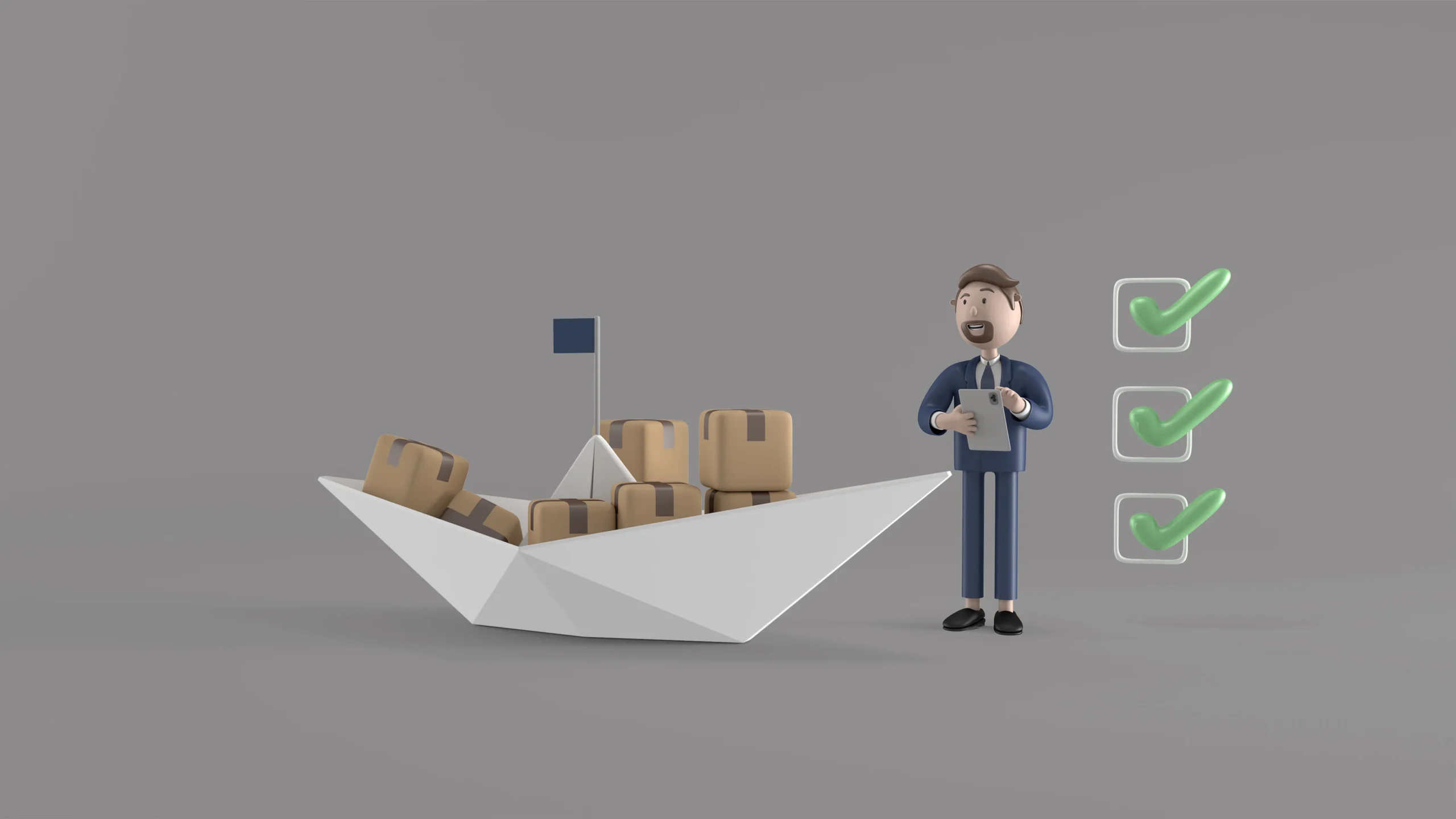
Global trade is the backbone of modern business, with goods constantly moving across oceans, skies, and borders. But shipping isn’t without risk—cargo can be damaged, lost, or delayed at any stage of transit. That’s why marine cargo insurance is so important.
The challenge? Many shippers are confused by half‑truths and misconceptions. Some believe carriers automatically cover everything, while others assume insurance is too expensive or unnecessary for small shipments. These Marine Cargo Insurance Myths and Facts often lead businesses to make risky decisions that could cost them thousands.
This blog clears up the confusion, helping you understand what marine cargo insurance coverage really includes, how policies work, and why separating myths from facts is essential for every shipper.
What Is Marine Cargo Insurance?
At its core, marine cargo insurance is a safety net for goods in transit. Whether your shipment is traveling by sea, air, land, or courier, this insurance protects against risks like loss, theft, damage, or delays.
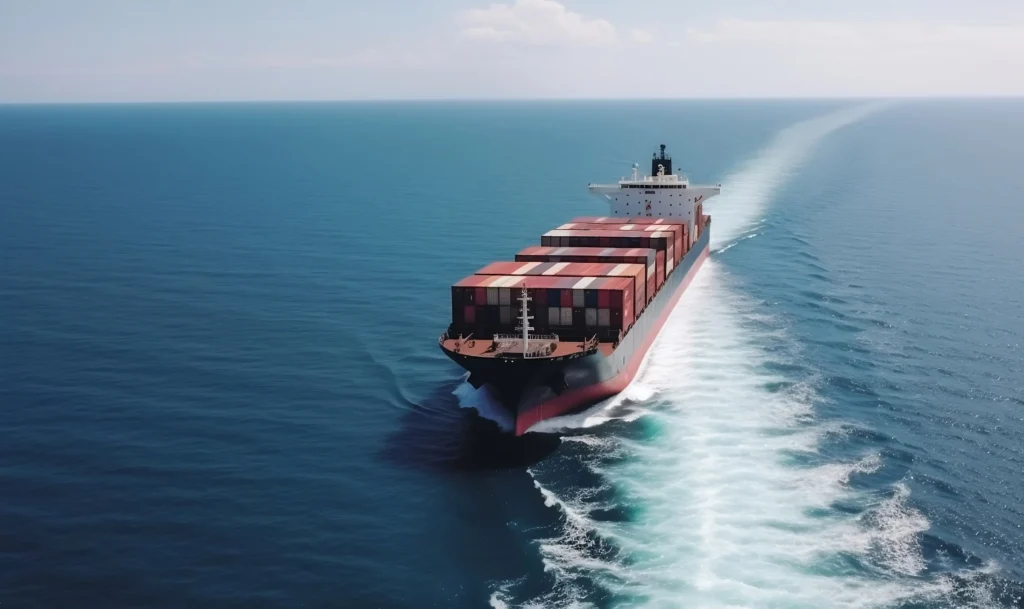
Think of it this way: once cargo leaves your warehouse, countless factors are outside your control—rough seas, accidents, mishandling, or even theft. A marine cargo insurance policy ensures that if something goes wrong, you don’t bear the full financial burden.
For shippers, understanding marine cargo insurance coverage is essential. It’s not just about protecting the cargo—it’s about safeguarding your business reputation, keeping operations smooth, and giving customers confidence that their goods are secure.
Top Marine Cargo Insurance Myths and Facts

Myth 1: “My shipping carrier already covers everything.”
Fact: Carriers only provide limited liability, often covering just a fraction of the cargo’s value. A marine cargo insurance policy ensures full protection against loss or damage.
Myth 2: “Marine cargo insurance is too expensive.”
Fact: In most cases, marine cargo insurance cost is surprisingly affordable. Premiums often range from about 0.3% to 0.5% of the shipment value. Compared to potential losses, this cost is minimal and highly cost-effective.
Myth 3: “Only sea freight needs insurance.”
Fact: Despite the name, marine cargo insurance applies to multimodal transport. Coverage can extend to air freight, road transport, rail shipments, and even last-mile delivery. Modern logistics rarely relies on a single transport mode, making insurance essential throughout the journey.
Myth 4: “Insurance covers any type of damage.”
Fact: No policy covers absolutely everything. Most marine cargo insurance coverage includes exclusions — for example, inadequate packaging, inherent product defects, or certain types of delays. Tailored cargo marine insurance solutions help address specific risks.
Myth 5: “Small shipments do not need insurance.”
Fact: Risk does not depend on shipment size. Small parcels can be lost, stolen, or mishandled just as easily as large consignments. Even a single lost shipment can disrupt customer relationships and cash flow.
Myth 6: “Claims are too complicated to file.”
Fact: Modern insurers use digital platforms that simplify documentation and speed up processing. With proper paperwork and timely reporting, claims are far easier today than many businesses assume.
Why Myths Persist in the Shipping Industry
So why do these Marine Cargo Insurance Myths and Facts keep circulating? The truth is, the shipping industry is complex, and many shippers rely on assumptions rather than clear information. Here are the main reasons myths continue to exist:
- Lack of awareness among new exporters/importers: Many businesses entering global trade don’t fully understand what marine cargo insurance coverage includes, so they rely on hearsay.
- Miscommunication between forwarders and shippers: Carriers often explain liability in technical terms, which can be misunderstood as “full coverage.”
- Skipping the fine print: A marine cargo insurance policy may have exclusions, but busy shippers rarely read the details, leading to false expectations.
- Overreliance on carrier liability: Shippers assume carriers will cover all losses, when in reality liability is capped and often insufficient.
- Cost misconceptions: Some businesses believe marine cargo insurance cost is high, without realizing premiums are flexible and affordable compared to potential losses.
- Traditional industry practices: In many regions, informal agreements and trust in carriers still dominate, which delays adoption of proper insurance policies.
- Limited education and training: Logistics teams often lack formal training on risk management, so myths spread unchecked.
How to Pick the Best Policy for Marine Cargo Insurance
Choosing the right marine cargo insurance policy doesn’t have to be complicated. The key is to match coverage with your shipment type, value, and risk profile. Here’s how shippers can make smart choices:
- Assess cargo type and value: High‑value electronics, fragile goods, or hazardous materials need broader marine cargo insurance coverage compared to standard consumer goods.
- Compare coverage options: Decide between all‑risk policies (covering most scenarios) or named perils policies (covering specific risks like fire or theft).
- Check exclusions carefully: Every cargo marine insurance policy has limits. Reading the fine print ensures you’re not caught off guard by uncovered risks.
- Consider marine cargo insurance cost vs. risk: Premiums are flexible, often just a fraction of cargo value. Balancing cost with protection helps avoid expensive surprises.
- Work with specialized providers: Experts can tailor policies to your trade routes, cargo type, and business size, ensuring you get the right fit.
Key Benefits of Understanding Myths vs. Facts
When shippers separate Marine Cargo Insurance Myths and Facts, they unlock real advantages for their business. Here’s why it matters:
- Better risk management: Knowing the facts helps you protect shipments against loss, theft, or damage with the right marine cargo insurance coverage.
- Cost savings: Instead of overpaying for unnecessary add‑ons or underinsuring cargo, you can balance marine cargo insurance cost with actual risk.
- Stronger client trust: Customers feel more confident when they know their goods are backed by a solid marine cargo insurance policy.
- Smoother operations: Insurance ensures business continuity even when disruptions occur, keeping supply chains moving.
- Smarter decisions: By busting myths, shippers avoid assumptions and make informed choices about cargo marine insurance.
Also Read: How to File a Marine Cargo Insurance Claim: Step-by-Step Process


2 Responses