

Introduction
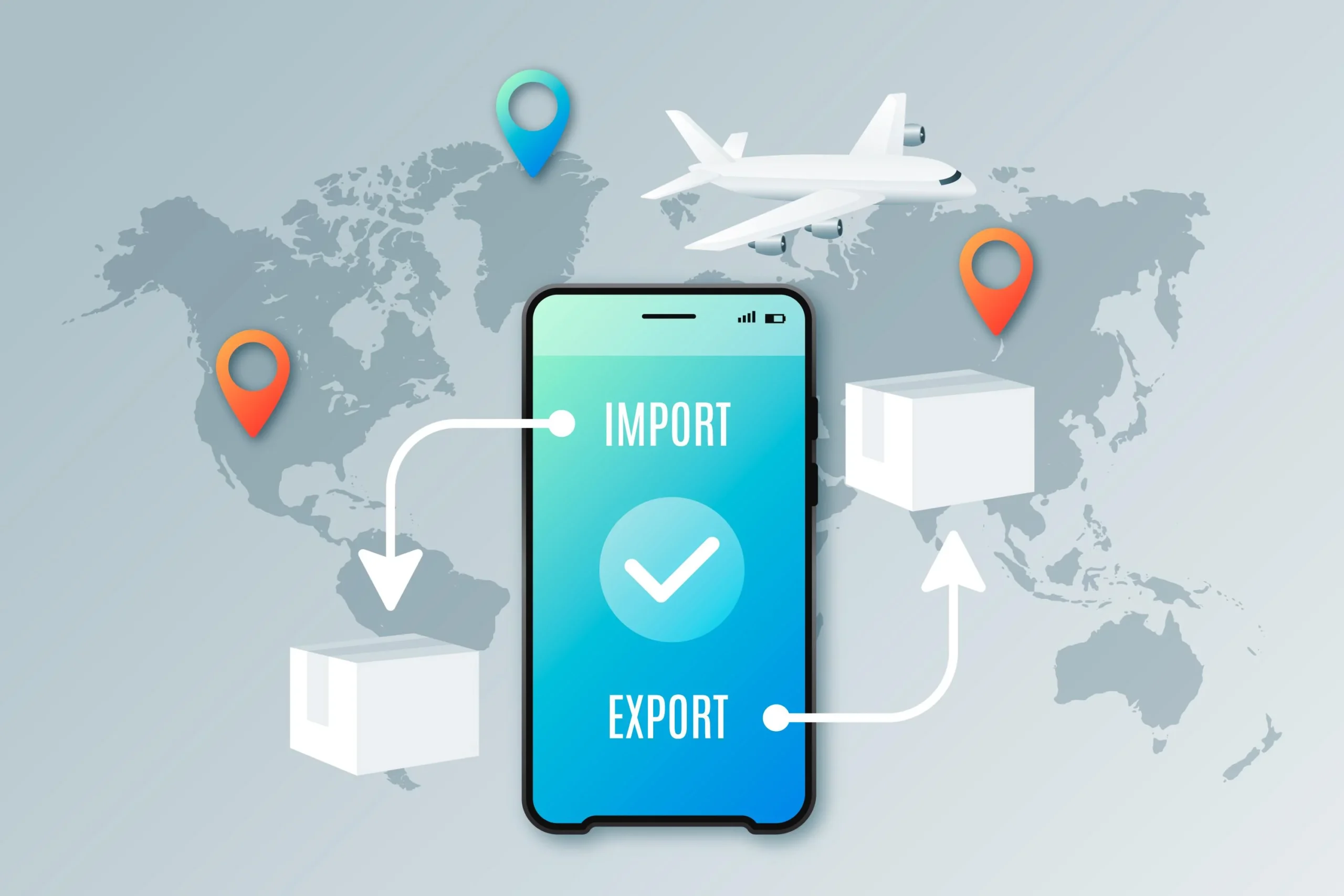
Air Cargo Tracking helps businesses monitor shipments in real time from pickup to final delivery. It provides complete visibility into the shipping process, helping reduce delays, improve communication, and support faster decision-making.
According to the International Air Transport Association (IATA), air freight carries more than 35% of global trade by value while accounting for less than 1% of global trade by volume. This highlights the importance of real-time shipment visibility, especially for high-value and time-sensitive cargo.
While tracking helps businesses stay informed about a shipment’s location and status, it cannot prevent risks such as damage, loss, or theft. That’s why many businesses combine Air Cargo Tracking with air freight insurance to protect both their cargo and their financial interests.
In this guide, you’ll learn what Air Cargo Tracking is, how it works, why it matters, its key benefits and challenges, emerging industry trends, and how cargo insurance complements real-time shipment tracking.
What Is Air Cargo Tracking?
Air Cargo Tracking is the process of monitoring an air shipment throughout its journey, from the time it is collected until it reaches its final destination. It uses a unique Air Waybill (AWB) number, allowing businesses to check the shipment’s status and location through airline or freight tracking systems.
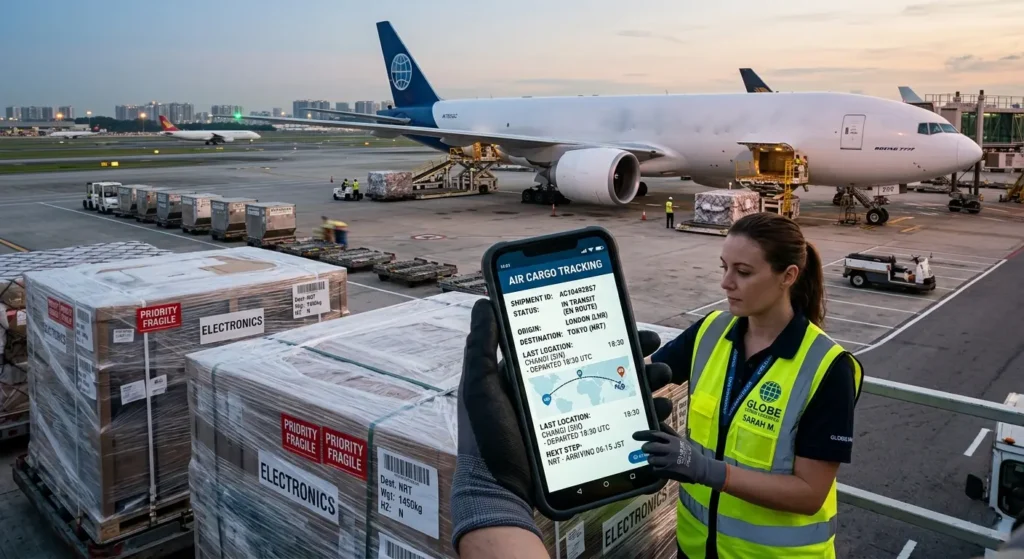
Modern air cargo track and trace platforms provide real-time updates at every major shipping milestone, including:
- Cargo acceptance by the airline
- Departure from the origin airport
- Transit updates during the journey
- Arrival at the destination airport
- Final delivery confirmation
By using technologies such as GPS, barcode scanning, and automated airline updates, tracking air cargo shipments has become faster and more accurate. These systems give businesses, freight forwarders, and customers complete visibility into the shipping process, making it easier to identify delays, plan deliveries, and improve communication.
As global supply chains become more complex, Air Cargo Tracking has become an essential tool for improving shipment visibility, reducing uncertainty, and ensuring goods move safely and efficiently across international routes.
How Does Air Cargo Tracking Work Behind the Scenes?
While Air Cargo Tracking looks simple from the user’s perspective, it relies on advanced technologies working together behind the scenes. From assigning a unique tracking number to sharing real-time shipment data, these systems help businesses monitor cargo accurately throughout its journey.
1. Air Waybill (AWB) Number
Every air shipment is assigned a unique Air Waybill (AWB) number that acts as its tracking reference.
- The first 3 digits identify the airline.
- The following 8 digits identify the shipment.
This standardized format allows businesses to track air cargo shipments easily across different airlines and logistics networks using a single reference number.
2. API and EDI Integration
Modern air cargo track and trace platforms rely on system integration to provide accurate, real-time updates.
- API (Application Programming Interface): Connects airline systems with cargo tracking platforms, allowing shipment information to be shared instantly.
- EDI (Electronic Data Interchange): Automates the exchange of shipping documents and tracking data between airlines, freight forwarders, customs authorities, and businesses.
These technologies reduce manual data entry, improve accuracy, and ensure shipment updates are available in one place.
3. IoT and Smart Tracking Devices
Many logistics providers now use smart devices to make Air Cargo Tracking more accurate and reliable.
These include:
- GPS tracking devices
- Bluetooth Low Energy (BLE) tags
- Temperature and humidity sensors
- Cargo condition monitoring devices
In addition to showing a shipment’s location, these devices can monitor environmental conditions during transit. This is especially valuable for temperature-sensitive products such as pharmaceuticals, food, and electronics, helping businesses identify potential issues before the shipment reaches its destination.
Why Is Air Cargo Tracking Important?
Air Cargo Tracking is important because it gives businesses real-time visibility into their shipments, helping them reduce delays, improve communication, and make faster decisions.
In today’s global supply chain, where customers expect timely deliveries and complete transparency, tracking plays a key role in keeping shipments moving efficiently.
1. Improves Shipment Safety
Real-time tracking allows businesses to monitor cargo from departure to final delivery. If a shipment is delayed, rerouted, or held during transit, teams can identify the issue quickly and take appropriate action to minimize risks.
2. Reduces Delays and Operational Errors
Access to live shipment updates helps airlines, freight forwarders, and logistics teams detect potential problems before they affect delivery schedules. This reduces the likelihood of missed connections, documentation errors, and communication gaps.
3. Increases Customer Confidence
Consumers want to know the location and estimated arrival time of their products. With air cargo track and trace systems, businesses can provide accurate tracking updates, improve transparency, and build stronger customer trust.
4. Supports Regulatory Compliance
International air shipments must meet customs and documentation requirements across different countries. Air Cargo Tracking provides accurate shipment records and real-time updates, making it easier to maintain compliance and support smoother cross-border transportation.
5. Enables Better Supply Chain Planning
Real-time shipment visibility helps businesses plan warehouse operations, inventory management, and delivery schedules more effectively. Having up-to-date tracking information allows teams to make informed decisions and respond quickly to unexpected changes.
By providing greater visibility and control throughout the shipping process, Air Cargo Tracking helps businesses improve operational efficiency, reduce risks, and deliver a more reliable customer experience.
Step‑by‑Step Process of Air Cargo Tracking
Understanding the Air Cargo Tracking process helps businesses monitor shipments more effectively from dispatch to final delivery. Every shipment follows a series of tracking milestones, giving shippers, freight forwarders, and customers real-time visibility throughout the journey.
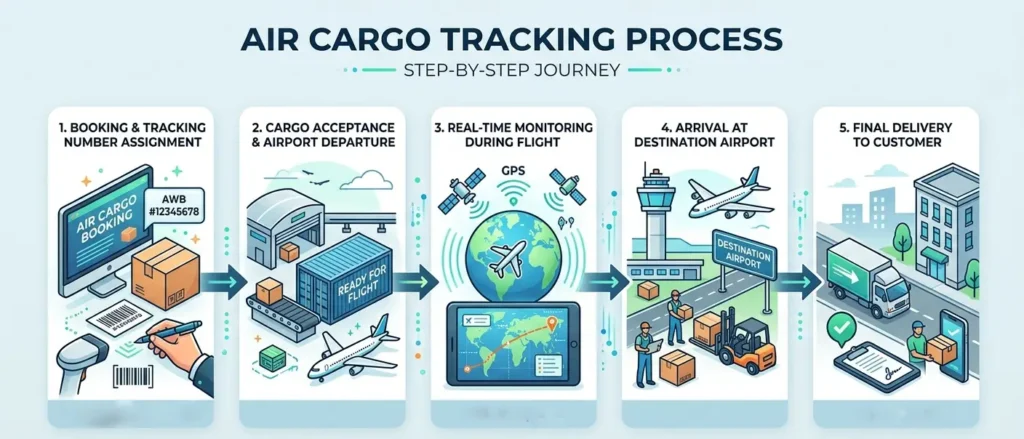
1. Booking & Tracking Number Assignment
The process begins when an air freight shipment is booked with an airline or freight forwarder. A unique Air Waybill (AWB) number is assigned, allowing businesses to access shipment updates through airline tracking systems or air cargo track and trace platforms.
2. Cargo Acceptance & Departure Updates
After the airline receives the shipment, the tracking system confirms cargo acceptance. Once the shipment is loaded onto the aircraft and departs from the origin airport, the tracking status is updated, confirming that it is in transit.
3. Real‑Time Monitoring During Transit
As the shipment moves through airports and transit hubs, the tracking system records each milestone using GPS, barcode scanning, and automated airline updates. This allows businesses to track air cargo shipments in real time and respond quickly to any delays or route changes.
4. Arrival at Destination
When the cargo arrives at the destination airport, the tracking platform records its arrival. This update helps businesses prepare for customs clearance, warehouse processing, and the final stage of delivery.
5. Final Delivery Confirmation
The final tracking update is recorded once the shipment is delivered to the consignee. This confirmation serves as proof of delivery and assures both businesses and customers that the shipment has reached its destination safely.
By providing visibility at every stage of the shipping process, Air Cargo Tracking helps businesses improve planning, reduce uncertainties, and ensure smoother, more reliable deliveries.
What Are the Benefits of Air Cargo Tracking?
Air Cargo Tracking helps businesses do more than simply monitor shipments. It improves supply chain visibility, reduces operational challenges, and enables faster decision-making. With real-time updates at every stage of the journey, businesses can deliver a more reliable shipping experience while keeping customers informed.
1. Improves Operational Efficiency
Real-time shipment tracking reduces the need for manual follow-ups with airlines and freight forwarders. Logistics teams can access instant updates, improving coordination, saving time, and streamlining daily operations.
2. Enhances Customer Experience
Customers expect accurate delivery information. Air Cargo Tracking provides real-time shipment updates, allowing businesses to communicate estimated arrival times and respond quickly to customer inquiries. This openness enhances consumer pleasure and fosters confidence.
3. Reduces Shipping Risks
Delays, flight changes, weather conditions, and customs inspections can affect delivery schedules. By tracking air cargo shipments in real time, businesses can identify potential issues early and take corrective action to minimize disruptions.
4. Supports Faster Insurance Claims
If a shipment is delayed, damaged, or lost, tracking records provide valuable evidence throughout the cargo’s journey. This information helps support air freight insurance claims by documenting:
- Shipment timestamps
- Transit and handling records
- Delivery status updates
Having accurate tracking data can reduce disputes and make the claims process more efficient.
5. Improves Planning and Decision-Making
Real-time shipment visibility helps businesses plan warehouse operations, inventory management, customs clearance, and final delivery more effectively. Better planning reduces unexpected delays, improves resource allocation, and keeps the supply chain running smoothly.
What Challenges Does Air Cargo Tracking Face?
While Air Cargo Tracking has significantly improved shipment visibility, it isn’t without challenges. Factors such as technology limitations, inconsistent data, and cross-border regulations can affect tracking accuracy and delay shipment updates.
Understanding these challenges helps businesses prepare for disruptions and build a more resilient supply chain.
1. Technical Limitations
Tracking systems rely on digital networks and airline databases to provide real-time updates. Temporary system outages, connectivity issues, or delayed data synchronization can prevent shipment information from updating as expected.
2. Inconsistent Tracking Data
International shipments often involve multiple airlines, airports, and logistics providers, each using different tracking systems. As a result, shipment updates may not always appear in a consistent format or at the same frequency, making it harder to maintain complete visibility.
3. Cross-Border Shipping Complexities
International air freight must comply with customs procedures, documentation requirements, and local regulations in different countries. These processes can sometimes delay tracking updates, especially when shipments move through multiple transit hubs.
4. Limited System Integration
Not every airline, freight forwarder, or logistics partner uses fully integrated tracking platforms. When systems don’t communicate seamlessly, businesses may need to check multiple platforms to gather complete shipment information.
5. Tracking Cannot Eliminate Every Risk
Although Air Cargo Tracking shows where a shipment is and provides status updates, it cannot prevent unexpected events such as severe weather, cargo damage, theft, or handling errors. For this reason, many businesses combine tracking with air freight insurance to protect against financial losses that tracking alone cannot address.
How Can Businesses Overcome These Challenges?
Businesses can improve the effectiveness of Air Cargo Tracking by following a few best practices:
- Choose airlines and freight forwarders that provide reliable real-time tracking.
- Use tracking platforms that integrate with multiple carriers.
- Verify shipping documents before dispatch to avoid customs delays.
- Monitor shipment updates regularly and respond quickly to unexpected changes.
- Pair Air Cargo Tracking with insurance for air freight for comprehensive shipment protection.
By understanding these challenges and taking proactive steps to address them, businesses can improve shipment visibility, reduce disruptions, and ensure smoother air freight operations.
What Is the Future of Air Cargo Tracking
The future of Air Cargo Tracking is becoming smarter, faster, and more connected. Emerging technologies are improving shipment visibility, increasing tracking accuracy, and helping businesses respond to potential disruptions before they affect deliveries. As global supply chains continue to evolve, these innovations will make air freight operations more efficient and reliable.
1. AI-Powered Predictive Tracking
Artificial intelligence (AI) is transforming how businesses monitor shipments. Instead of simply reporting a shipment’s current location, AI can analyze flight schedules, weather conditions, and historical shipping data to predict delays and recommend alternative actions before disruptions occur.
2. Blockchain for Secure Shipment Records
Blockchain technology is expected to improve the security and transparency of Air Cargo Tracking by creating tamper-resistant shipment records. This allows airlines, freight forwarders, customs authorities, and businesses to access reliable shipping information while reducing documentation errors and fraud.
3. Smarter IoT and GPS Monitoring
The next generation of IoT devices and GPS technology will provide more than location updates. Businesses will also be able to monitor cargo conditions such as temperature, humidity, shock, and handling throughout transit. This is especially valuable for pharmaceuticals, food products, and other sensitive shipments.
4. Greater Automation Across the Supply Chain
Automation will reduce manual processes by enabling faster shipment updates, automated notifications, and improved coordination between airlines, logistics providers, and customs authorities. This will help businesses make quicker decisions and improve overall supply chain efficiency.
5. Integration with Cargo Insurance Platforms
Future Air Cargo Tracking systems are expected to integrate more closely with cargo insurance platforms. Tracking data can automatically support insurance claims by providing shipment history, transit records, and delivery confirmation, making the claims process faster and more efficient.
As technologies continue to advance, Air Cargo Tracking will move beyond simple shipment monitoring to become a powerful tool for improving visibility, reducing risks, and creating more resilient global supply chains.
How Cargo Insurance Complements Air Cargo Tracking
While Air Cargo Tracking gives you visibility and control, it cannot prevent every risk. Shipments can still face damage, theft, delays, or unexpected events like weather disruptions. That’s why pairing tracking systems with air freight insurance is essential for complete protection.
Why Insurance Matters Alongside Tracking
- Safety Net for Risks: Tracking shows where your cargo is, but insurance covers financial losses if something goes wrong.
- Faster Claims Processing: When issues occur, tracking history provides timestamps, handling records, and movement evidence. This makes cargo insurance claims quicker and easier to settle.
- Peace of Mind: Businesses can operate confidently knowing that both visibility and protection are in place.
CargoInsurePro’s Insurance Solutions
To complement tracking air cargo shipments, CargoInsurePro offers a full range of cargo insurance coverage options:
- Marine cargo insurance
- Land transport insurance
- Parcel insurance
- Freight forwarder liability
- Sea freight insurance
By combining air cargo track and trace systems with reliable cargo insurance, businesses across Singapore, Thailand, Malaysia, Cambodia, China, and India can ensure safer, smarter, and more resilient logistics operations.
Also Read: Air Freight vs Sea Freight: Which Shipping Method Is Safer?



3 Responses