

Introduction
When shipping goods internationally, many businesses face a common question: Air Freight vs Sea Freight – which method is safer? The choice isn’t just about cost or speed; safety plays a crucial role in ensuring your cargo reaches its destination intact and on time.
Air freight is often preferred for high-value, fragile, or time-sensitive shipments, while sea freight is ideal for bulk, heavy, or cost-sensitive goods. Each method comes with its own set of risks, from handling and environmental factors to delays and theft. That’s why protecting your shipments with air freight cargo insurance, sea freight cargo insurance, or other specialized coverage is essential.
In this guide, we’ll explore the safety aspects of both air and sea freight, compare their advantages and disadvantages, and show how the right insurance for air freight or sea freight can keep your shipments secure. By the end, you’ll have a clear picture of which shipping method best fits your needs.
What Is Air Freight?
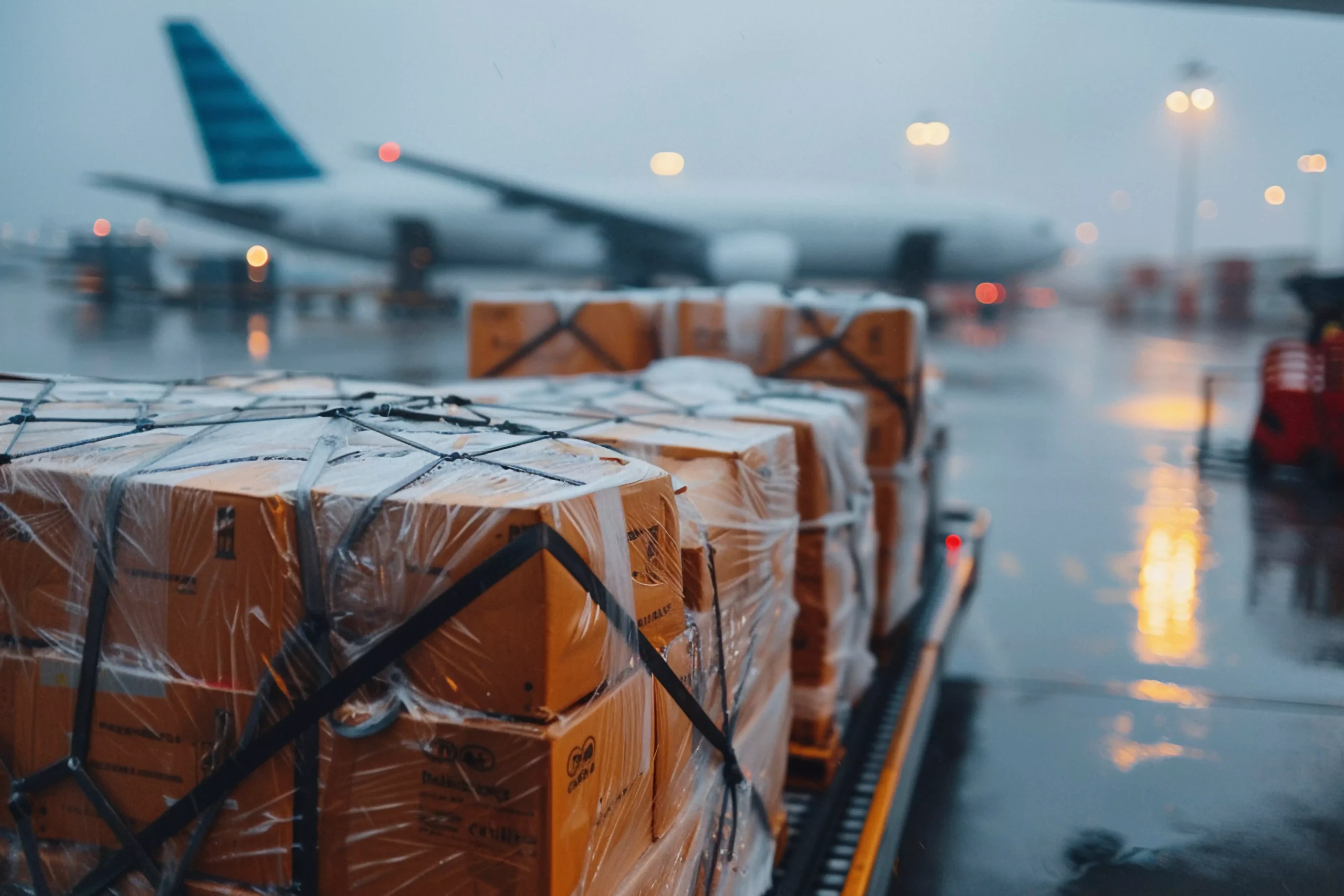
Air freight is the process of transporting goods by aircraft, making it one of the fastest and most secure shipping methods available today. Businesses often choose air freight when they need urgent delivery or when the cargo is fragile and high in value.
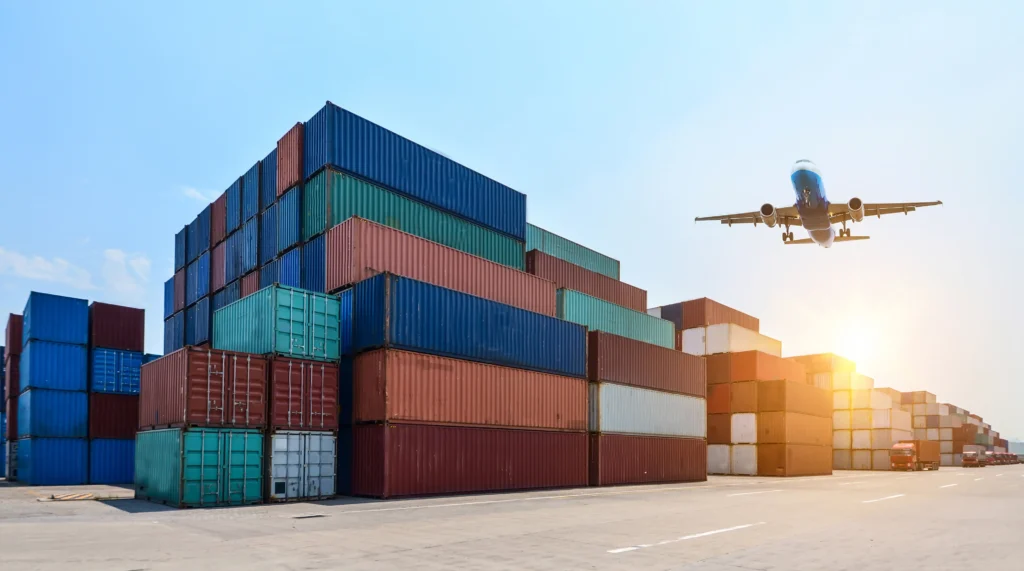
- Common Uses: Electronics, pharmaceuticals, fashion items, and perishable goods like fresh produce.
- Safety Considerations:
- Quick transit times reduce exposure to risks such as damage or theft.
- Less handling compared to sea freight, which lowers the chance of mishandling.
- Secure airport facilities and advanced tracking systems add an extra layer of protection.
To further minimize risks, companies often rely on air freight cargo insurance. This type of coverage protects against issues like turbulence damage, delays, or accidental mishandling. While air freight insurance costs can be higher than sea freight insurance, it provides peace of mind for businesses shipping valuable or time-sensitive goods.
What Is Sea Freight?
Sea freight is the process of transporting goods in large containers via cargo ships. It’s one of the oldest and most widely used shipping methods, especially for businesses moving bulk or heavy cargo across long distances.
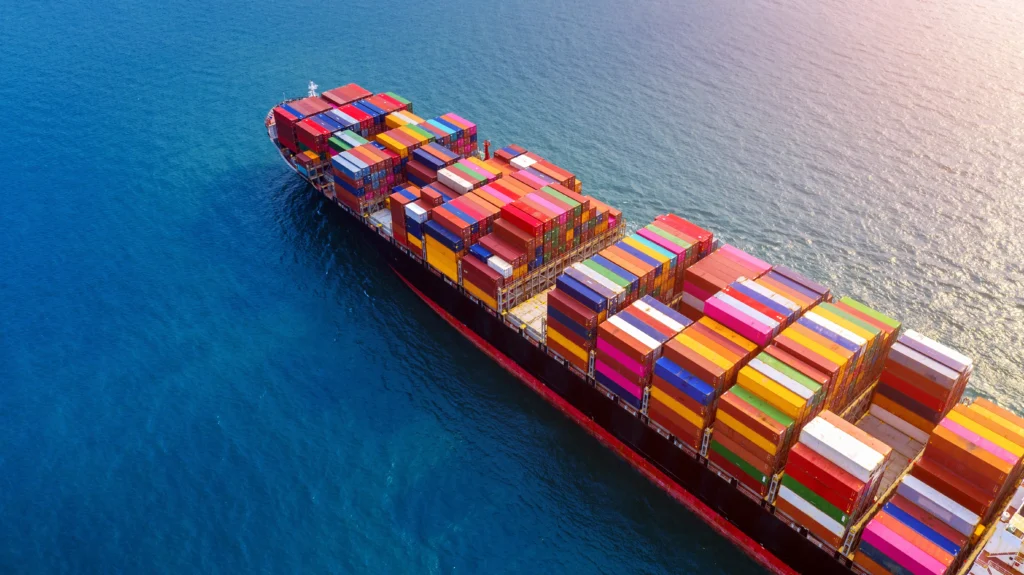
- Common Uses: Raw materials, machinery, consumer goods in bulk, and shipments where cost efficiency matters more than speed.
- Safety Considerations:
- Containers provide protection, but longer transit times increase exposure to risks.
- Weather conditions such as storms or rough seas can affect cargo safety.
- Port delays and multiple handling points raise the chances of theft or mishandling compared to air freight.
To reduce these risks, companies often rely on sea freight cargo insurance. This coverage protects against damage from accidents, weather, or theft. While sea freight insurance cost is usually lower than air freight insurance, it’s essential for businesses shipping large volumes over extended routes.
What Are the Key Differences in Air Freight vs Sea Freight?
Feature | Air Freight | Sea Freight |
Transit Time | 1–7 days | 15–45+ days |
Cost | 12–16x higher than sea | Most cost-effective |
Best For | High-value, urgent goods | Bulk, heavy cargo |
Reliability | High | Moderate |
Sustainability | Higher carbon footprint | More eco-friendly |
Restrictions | Strict regulations | More flexible |
How Are Costs Calculated in Air Freight vs Sea Freight?
Understanding how pricing works can make it much easier to choose between air freight vs sea freight. The cost isn’t random—it’s based on how your cargo is measured and transported.
Air Freight Cost
In air shipping, pricing is based on something called chargeable weight. This means the airline compares:
- The actual weight of your cargo
- The volumetric (dimensional) weight
Whichever is higher becomes the final billing weight.
Because air freight is fast, secure, and involves strict handling processes, it usually comes at a premium. That’s also why air freight insurance costs tend to be higher—especially when you’re shipping high-value or sensitive goods.
Sea Freight Cost
Sea freight pricing works differently. Instead of weight alone, it depends on:
- Container size (like 20ft or 40ft containers), or
- Volume (CBM) for smaller shipments (LCL – less than container load)
This makes sea freight a much more budget-friendly option, especially for bulk or heavy cargo.
Even though the insurance cost for sea freight is generally lower, it’s still important. Longer transit times and multiple handling stages mean your cargo stays exposed to risks for a longer period.
Air Freight vs Sea Freight: Which Shipping Method Is Safer Overall?
When businesses weigh air freight vs sea freight, safety is often the deciding factor. Both methods have strengths and risks, and understanding them helps you choose the right option for your cargo.
Risk of Damage or Loss
- Air Freight: With minimal handling and faster transit, the chances of damage or loss are lower. Secure airport facilities also reduce theft risks.
- Sea Freight: Longer journeys and multiple touchpoints increase exposure to mishandling, accidents, or theft. That’s why many companies rely on sea freight cargo insurance to protect against these risks.
Speed & Environmental Factors
- Air Freight: Quick delivery means less exposure to environmental hazards. Weather disruptions are rare, and delays are usually short.
- Sea Freight: Ships face challenges like storms, rough seas, and port congestion. These factors can delay shipments and increase risks, making insurance for sea freight essential.
Security Measures
- Air Freight: Advanced tracking systems, strict airport security, and air freight insurance provide strong protection. Businesses shipping fragile or high-value goods often find this method safer.
- Sea Freight: Containers are locked and monitored, but risks remain higher due to longer transit times. Sea freight insurance cost is generally lower, but coverage is vital for peace of mind.
Handling & Human Error
- Air Freight: Cargo is handled fewer times, reducing the risk of human error.
- Sea Freight: Multiple loading and unloading stages increase the chances of mishandling, especially at busy ports.
Regulatory Oversight
- Air Freight: Airlines and airports follow strict international safety regulations, adding another layer of protection.
- Sea Freight: Shipping lines also follow global standards, but enforcement can vary depending on the port or region.
Advantages and Disadvantages of Air Freight
Air freight is often seen as the premium choice in global shipping. When comparing air freight vs sea freight, businesses usually turn to air when speed and safety are top priorities. But like any method, it has both strengths and limitations.
Advantages of Air Freight
- Speed: Goods reach their destination in days rather than weeks, reducing exposure to risks.
- Safety for Fragile Cargo: Less handling means lower chances of damage, making it ideal for electronics, pharmaceuticals, and luxury items.
- Security: Airports have strict safety protocols, advanced tracking, and monitoring systems. Pairing this with air freight cargo insurance ensures maximum protection.
- Reliability: Flight schedules are more predictable than shipping routes, minimizing delays.
Disadvantages of Air Freight
- Higher Cost: Air freight is more expensive than sea freight, and air freight insurance cost can also be higher due to the value of goods shipped.
- Limited Cargo Size: Aircraft have restrictions on weight and volume, making them unsuitable for very large or heavy shipments.
- Environmental Impact: Air transport has a higher carbon footprint compared to sea freight.
Advantages and Disadvantages of Sea Freight
Sea freight is one of the most widely used shipping methods worldwide, especially for businesses moving large volumes of goods. When comparing air freight vs sea freight, sea freight often wins on cost efficiency, but safety considerations must also be weighed.
Advantages of Sea Freight
- Cost-Effective: Shipping by sea is generally cheaper than air, especially for bulk cargo.
- Capacity: Cargo ships can handle oversized, heavy, or massive volumes that aircraft cannot.
- Global Reach: Established shipping routes connect almost every major port worldwide.
- Insurance Options: With sea freight cargo insurance, businesses can protect shipments against risks like weather damage, theft, or accidents.
Disadvantages of Sea Freight
- Slower Transit: Sea freight takes weeks compared to days with air freight, increasing exposure to risks.
- Environmental Risks: Cargo is more vulnerable to storms, rough seas, and port delays.
- Handling Risks: Multiple loading and unloading stages raise the chances of mishandling.
- Insurance Costs: While sea freight insurance cost is usually lower than air freight insurance, coverage is essential to safeguard against long transit risks.
Factors to Consider When Choosing a Shipping Method
When deciding between air freight and sea freight, safety isn’t the only factor. Businesses should weigh several practical considerations before choosing the right option for their cargo.
1. Cargo Type and Value
- Fragile or high-value goods such as electronics, pharmaceuticals, or luxury items are usually safer with air freight.
- Bulk shipments or heavy machinery often make more sense with sea freight, especially when paired with sea freight cargo insurance.
2. Destination and Route
- Air freight is ideal for direct, long-distance routes where speed matters.
- Sea freight works well for established trade lanes but may face port delays or regional risks.
3. Time-Sensitivity
- Urgent deliveries benefit from air freight’s faster transit times.
- Non-urgent shipments can safely move by sea, provided they’re covered with insurance for sea freight.
4. Insurance Options
- Air freight insurance protects against turbulence, delays, or mishandling.
- Sea freight insurance covers risks like weather damage, theft, or accidents.
Also Read: Air Cargo Damage Claim: Everything Shippers Need to Know
Cargo Insurance: Enhancing Safety for Your Shipment
No matter which option you choose—air freight vs sea freight—there’s always some level of risk involved. That’s where cargo insurance comes in. It acts as a safety net, protecting your business from financial losses if something goes wrong during transit.
- Air Freight Cargo Insurance: Covers risks like turbulence damage, delays, or mishandling. Even though air freight insurance costs can be higher, it’s worth it when shipping fragile or high-value goods.
- Sea Freight Cargo Insurance: Protects against weather damage, accidents, or theft during long voyages. Since transit times are longer, insurance for sea freight is essential to safeguard bulk shipments.
- Peace of Mind: Whether you’re shipping electronics, machinery, or perishables, insurance ensures your business stays protected against unforeseen events.
At CargoInsurePro, we specialize in cargo insurance coverage across multiple regions . Our plans are designed to balance coverage with affordability, giving businesses confidence that their shipments are secure from start to finish.



3 Responses