

Introduction
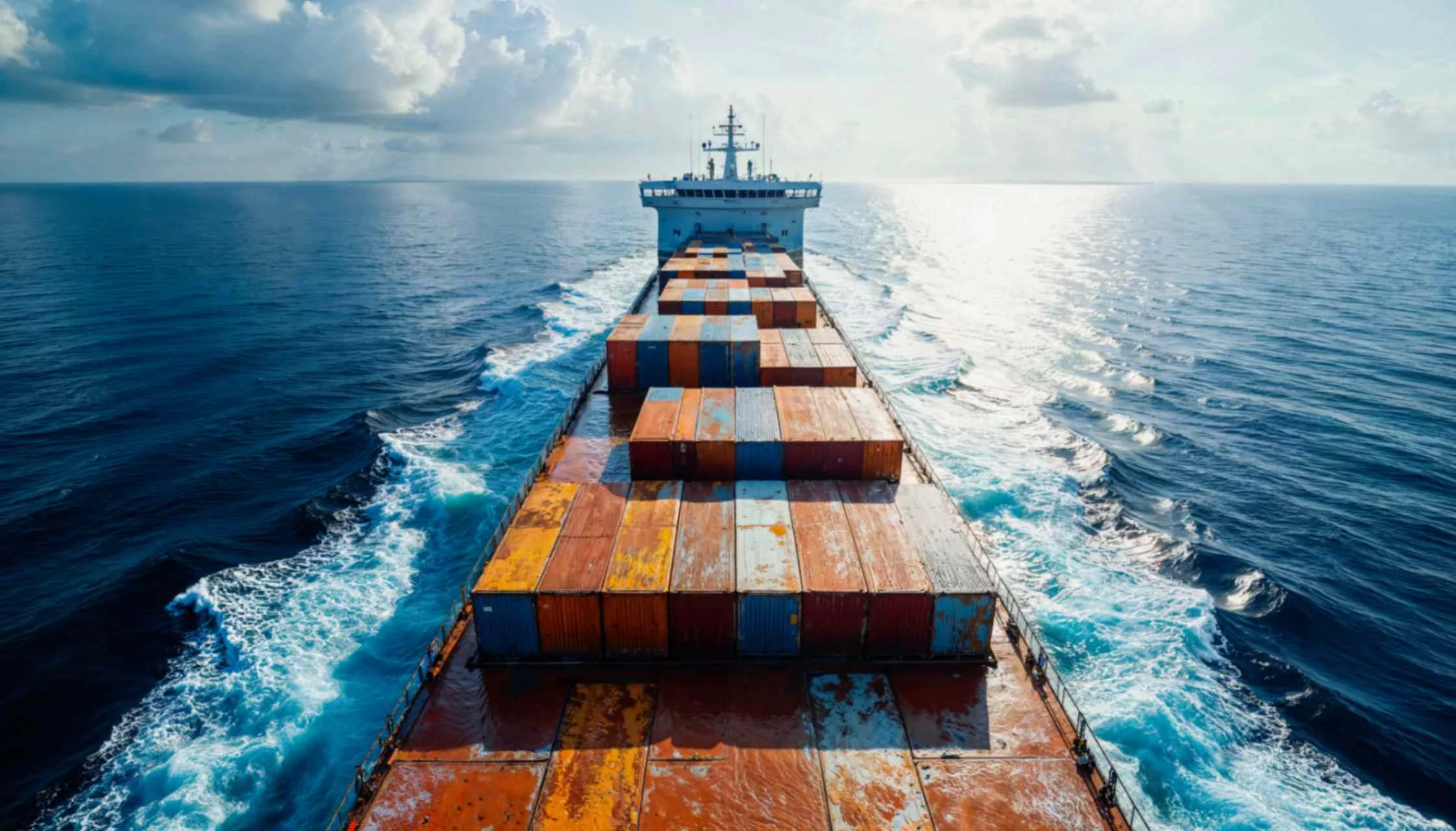
Global trade relies heavily on ocean shipping, and thousands of containerized cargo ships transport goods between countries every day. Products like electronics, machinery, clothing, and raw materials are commonly moved using large standardized containers.
This system, known as containerized cargo transportation, makes it easier and more efficient to ship goods across long distances. The containerization of cargo helps protect products during transit and allows them to move smoothly through different stages of the shipping process.
However, goods traveling on containerized cargo ships can still face risks such as rough weather, cargo handling damage, or accidents during transit. Because of these risks, many businesses use marine cargo insurance to protect their shipments and reduce potential financial losses during international transportation.
What Is Marine Cargo Insurance?
Marine cargo insurance is a type of coverage that protects goods while they are being transported from one place to another, especially through sea routes. When businesses ship products using containerized cargo ships, this insurance helps cover financial losses if the cargo is damaged, lost, or stolen during transit.
This insurance can protect many types of goods, such as machinery, electronics, retail products, raw materials, and packaged items. Since shipments often travel long distances through containerized cargo transportation, they may pass through multiple handling points, ports, and transportation stages.
For exporters, importers, and logistics companies involved in containerized cargo logistics, marine cargo insurance coverage provides peace of mind. It ensures that if something unexpected happens during shipping, businesses are financially protected and can recover the value of their goods.
Estimate Your Containerized Cargo Insurance Cost in Seconds
Enter your shipment details and get an instant premium estimate — no forms, no waiting, no obligation.
What Is Containerized Cargo?
Containerized cargo refers to goods that are packed and transported in large standardized shipping containers. These containers are designed to safely hold products and make it easier to move them across different modes of transportation, such as ships, trucks, and trains.
The containerization of cargo has transformed global shipping by creating a more organized and secure way to transport goods. Containers protect cargo from weather exposure and reduce the need for repeated handling during transit. Because of this system, containerized cargo transportation has become one of the most efficient ways to move goods across international trade routes.
How Container Ships Transport Goods
Container ships are large vessels specifically built to carry thousands of containers across oceans. These containerized cargo ships are designed with strong storage structures that allow containers to be stacked and secured during long sea journeys.
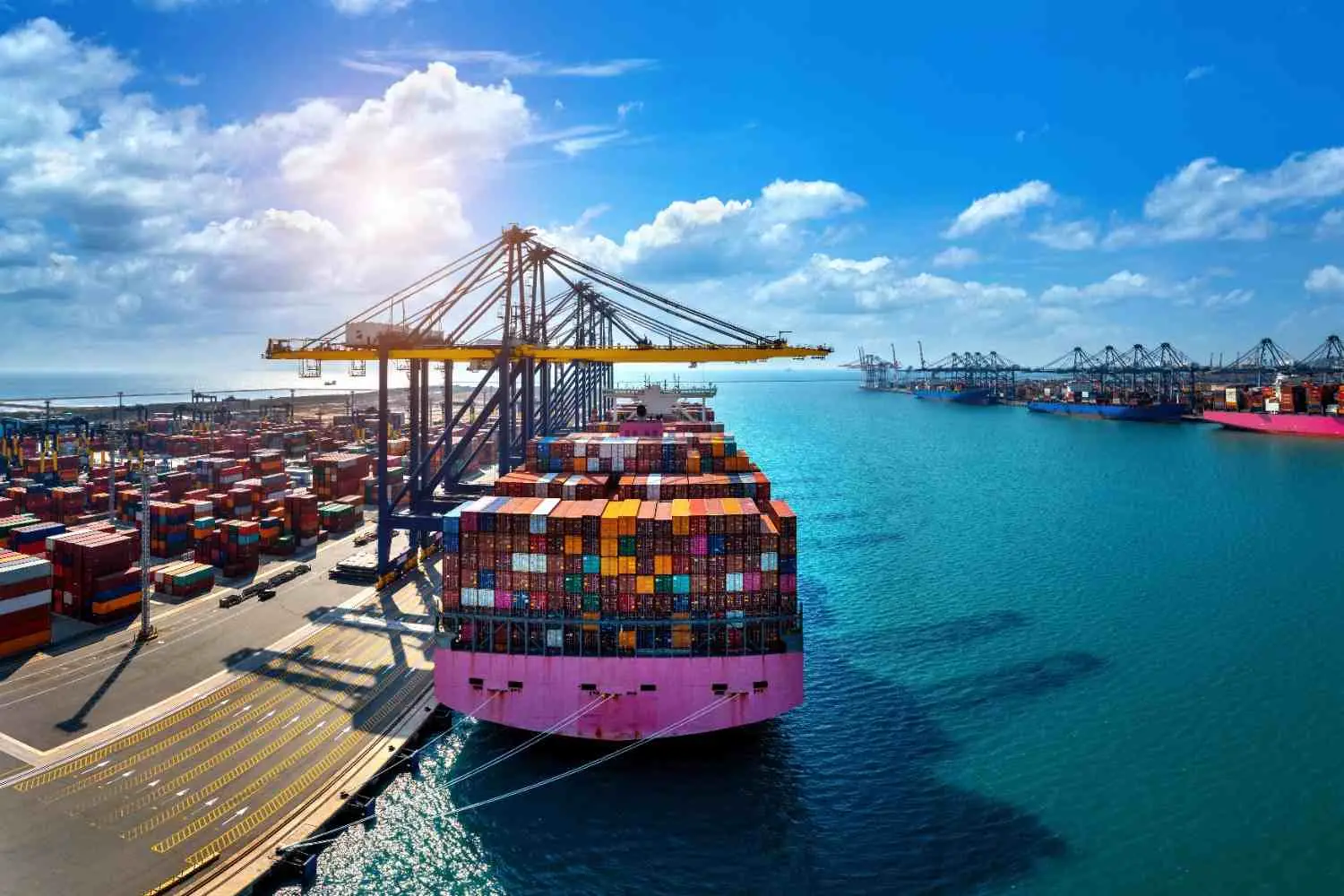
The shipping process usually begins when goods are packed into containers and transported to a port. From there, cranes load the containers onto the ship. After reaching the destination port, the containers are unloaded and moved for final delivery.
Ports play an important role in managing containerized cargo logistics, ensuring that containers are loaded, transported, and delivered efficiently through reliable containerized cargo services.
Common Risks to Goods on Containerized Cargo Ships
Even though containerized cargo ships are designed to transport goods safely across oceans, cargo can still face several risks during the journey. Long sea routes, changing weather conditions, and multiple handling stages can sometimes lead to unexpected problems.
1):- Rough Weather and Sea Conditions
Ocean weather can be unpredictable. Strong winds, heavy waves, and storms can affect ships during transit. In extreme conditions, containers may shift or get damaged, which can impact the cargo inside.
2):- Cargo Handling Damage
Cargo often goes through several handling stages during containerized cargo transportation, especially at ports. Improper loading, unloading, or equipment use can sometimes damage containers or the goods packed inside them.
3):- Container Loss Overboard
Although it does not happen frequently, containers may fall into the sea during severe weather or shipping accidents. When this occurs, the cargo inside the container is usually completely lost.
4):- Fire and Explosions on Ships
Container ships carry a large number of goods, including sometimes hazardous materials. If a fire or explosion occurs on board, it can damage multiple containers and lead to significant cargo loss.
5):- Theft or Piracy During Transit
On certain international shipping routes, cargo may face security risks such as theft or piracy. While shipping companies take strong precautions, these incidents can still pose a risk to goods transported through containerized cargo logistics.
How Marine Cargo Insurance Protects Goods
Marine cargo insurance helps businesses protect their shipments when goods are transported on containerized cargo ships. Since international shipping involves several risks, insurance provides financial protection if cargo is damaged, lost, or affected during transit.
1):- Coverage for Physical Damage
Cargo may get damaged due to rough handling, accidents, or environmental conditions during containerized cargo transportation. Marine cargo insurance helps cover the cost of repairing or replacing damaged goods.
2):- Protection Against Loss During Transit
Sometimes cargo may be lost due to shipping accidents or containers falling overboard. Insurance coverage helps businesses recover the financial value of goods lost while traveling on containerized cargo ships.
3):- Coverage During Loading and Unloading
Cargo handling at ports is one of the stages where damage can occur. Marine cargo insurance often covers incidents that happen during the loading and unloading process.
4):- Protection Against Natural Disasters
Sea transportation can be affected by storms, floods, and other natural events. Insurance helps protect shipments against such unpredictable situations.
5):- Financial Security for Businesses
Most importantly, marine cargo insurance provides financial stability. If goods transported through containerized cargo logistics are affected by unexpected incidents, businesses can recover their losses and continue operations without major disruption.
Who Should Consider Marine Cargo Insurance?
Marine cargo insurance is important for many businesses involved in international trade, especially those shipping goods through containerized cargo ships. Since shipments travel long distances and pass through several handling stages, insurance helps reduce financial risks.
1):- Exporters and importers
Businesses that regularly send or receive goods across countries rely on containerized cargo transportation. Insurance helps protect their shipments during long sea journeys.
2):- Manufacturers shipping goods overseas
Manufacturers exporting products to global markets often use containerized cargo logistics to move large quantities of goods. Marine cargo insurance helps ensure these shipments are financially protected.
3):- Freight forwarders and logistics companies
Companies managing shipping operations and containerized cargo services benefit from insurance coverage to reduce risks during transportation.
4):- E-commerce businesses shipping internationally
Online businesses selling products worldwide depend on reliable containerized cargo transportation to deliver orders. Insurance helps protect their goods during international shipping.
Benefits of Marine Cargo Insurance for International Trade
Marine cargo insurance offers several advantages for businesses that rely on containerized cargo ships to transport goods across countries. It helps companies manage risks and maintain smooth shipping operations.
1):- Reduces financial risk
Shipping goods through containerized cargo transportation involves long distances and multiple handling points. Insurance helps businesses recover losses if cargo is damaged, lost, or affected during transit.
2):- Ensures business continuity
Unexpected shipping incidents can disrupt supply chains. With marine cargo insurance, businesses can recover quickly and continue operations without major financial setbacks.
3):- Builds trust with global partners
Having insurance coverage shows that a business takes cargo protection seriously. This helps build trust with international buyers, suppliers, and logistics partners.
4):-Helps manage unexpected shipping incidents
Accidents, weather disruptions, or handling issues can happen during containerized cargo logistics. Insurance provides support and financial protection when such incidents occur.
Tips for Choosing the Right Marine Cargo Insurance
Choosing the right marine cargo insurance is important for businesses that ship goods using containerized cargo ships. The right coverage helps ensure that shipments remain protected throughout the transportation process.
1):- Evaluate the Value of Your Cargo
Before selecting an insurance policy, businesses should calculate the total value of the goods being shipped. This helps ensure the coverage is sufficient to protect cargo transported through containerized cargo transportation.
2):- Understand Coverage Terms
It is important to carefully review the policy details, including what is covered and what is excluded. Understanding these terms helps businesses choose the right protection for their containerized cargo logistics needs.
3):- Work With a Reliable Insurance Provider
Partnering with an experienced insurance provider ensures better guidance and smoother marine cargo claim processes if any issues arise during shipping.
4):- Consider Global Shipping Routes and Risks
Different shipping routes may involve different risks such as weather conditions or security concerns. Businesses should choose coverage that matches the risks associated with their containerized cargo services.
Also Read: What Is Breakbulk Marine Cargo Insurance and Why Is It Important?

One Response