

Introduction
How much does marine cargo insurance cost? There is no fixed price because the premium depends on factors such as the value and type of cargo, shipping route, coverage level, transport mode, and overall risk. As an illustrative range, marine cargo insurance rates can start around 0.05% for lower-risk shipments and may reach 1%–5% or more for certain high-risk or fragile cargo.
Marine cargo insurance protects the financial value of goods transported by sea against covered risks such as loss, theft, and physical damage. For importers and exporters, having the right coverage can help reduce the financial impact of an unexpected shipment loss.
In this guide, we’ll explain how much marine cargo insurance costs, how premiums are calculated, which factors affect rates, what coverage typically includes, and how businesses can manage insurance costs without compromising essential protection.
What Is Marine Cargo Insurance?
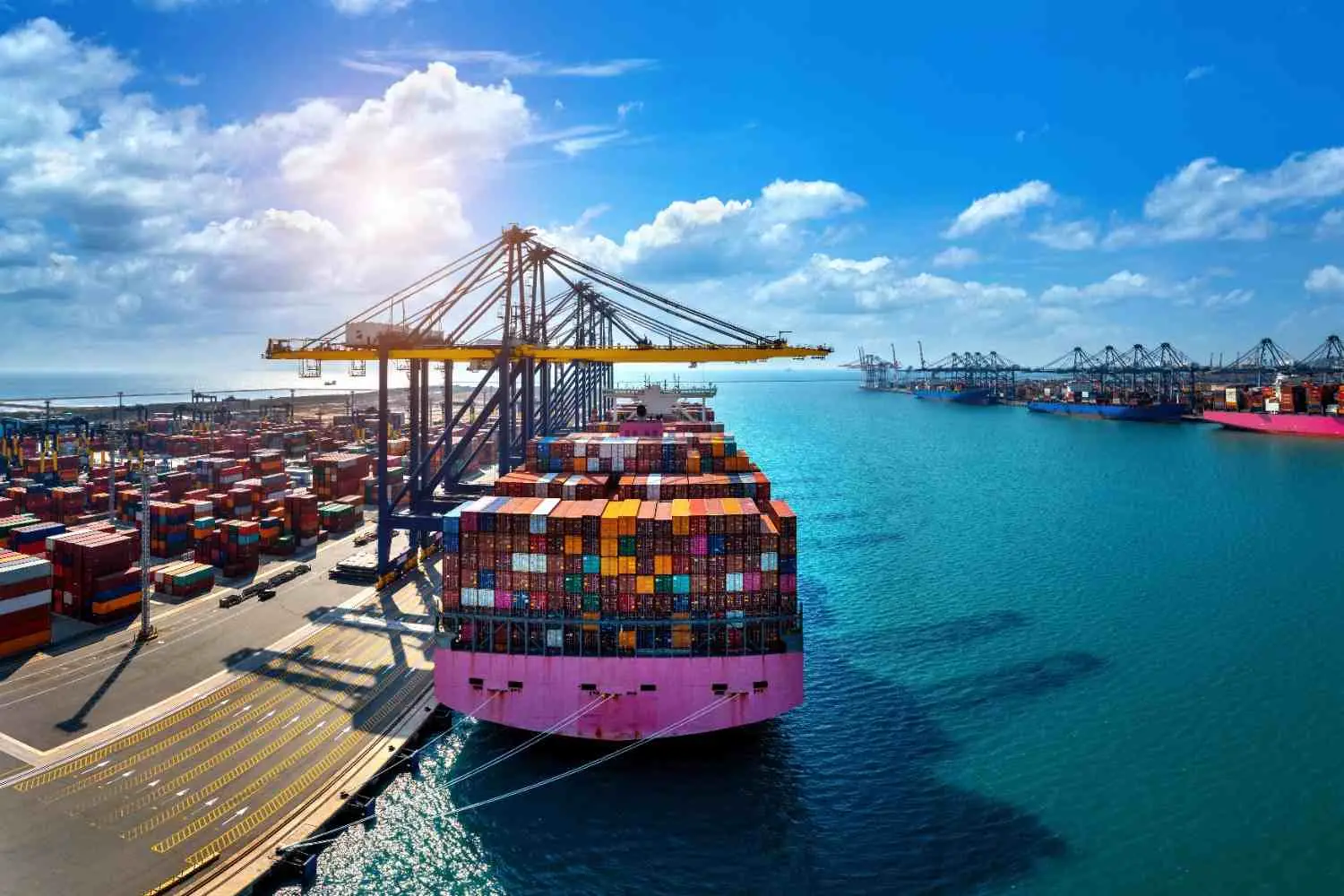
Marine cargo insurance is a type of coverage that protects goods while they’re being transported—typically by sea, but it also applies to air freight and land transport.
In simple terms, it’s your financial safety net. If your cargo is damaged, lost, or stolen during transit due to accidents, theft, rough handling, or natural disasters, this insurance helps cover the loss.
Whether you’re an importer, exporter, or freight forwarder, marine cargo insurance ensures your business stays protected from unexpected financial setbacks.
It’s especially important for companies involved in international shipping, where risks like cargo ship insurance claims or ocean freight insurance losses can occur at any stage of the journey
Why Marine Cargo Insurance Costs Matter in 2026
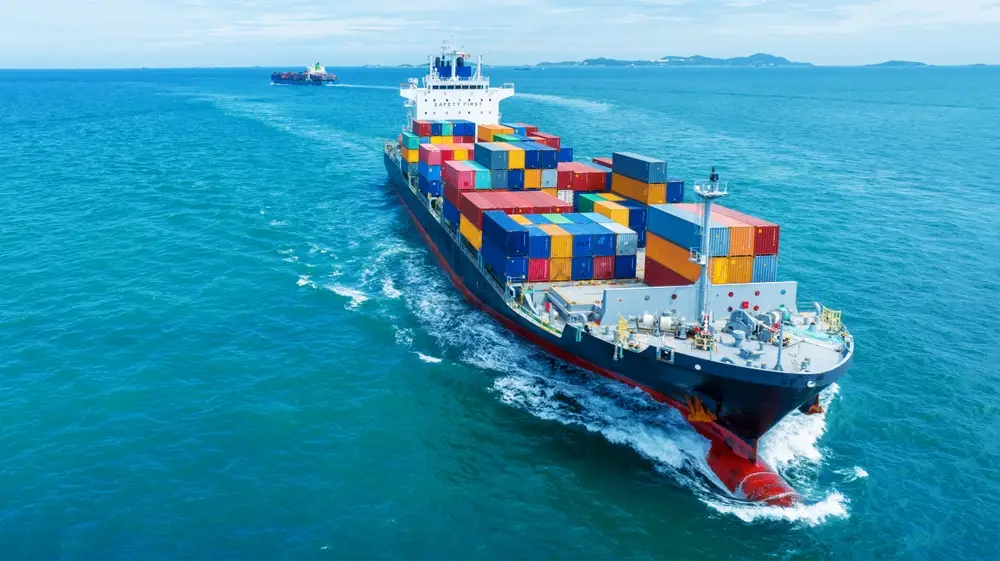
In 2026, understanding how much marine cargo insurance will cost is more important than ever. As global trade expands and logistics networks grow more complex, risks like shipment delays, theft, and weather-related damage are becoming more frequent.
Knowing your marine cargo insurance cost upfront helps you plan your logistics budget and avoid unexpected expenses. It’s not just about compliance—it’s about smart financial management.
The cost of cargo shipping insurance is also influenced by global inflation and shifting regional regulations. As freight rates and cargo values fluctuate, insurance premiums often adjust too. That’s why businesses need to regularly review their policies to ensure they’re getting the right coverage at the right price.
For importers, exporters, and freight forwarders, cost transparency is key to staying competitive. By understanding the true marine insurance price, you can make informed decisions, manage risks effectively, and keep your shipments protected—no matter where they’re headed.
How Is Marine Cargo Insurance Cost Calculated?
Marine cargo insurance cost is generally calculated by multiplying the total insured value of the shipment by the applicable insurance rate. The rate is determined by the insurer based on the cargo, route, coverage, and level of risk.
The basic formula is:
Marine Cargo Insurance Premium = Total Insured Value × Insurance Rate
How Is the Total Insured Value Determined?
The insured value may include the value of the goods and applicable freight and insurance costs, along with an additional margin depending on the policy and valuation terms. In some international trade arrangements, a CIF + 10% basis is used, where CIF means Cost, Insurance, and Freight.
However, CIF + 10% should not be treated as a universal rule. The actual valuation basis depends on the policy wording, contract terms, and insurer requirements.
What Affects the Final Premium?
Even when two shipments have the same value, their marine cargo insurance premiums can differ. Insurers may consider:
- Type and value of the cargo
- Shipping route and destination
- Sea transit and transshipment risks
- Coverage and policy conditions
- Packaging and handling arrangements
- Claims history
- Deductible selected
- Any additional coverage or exclusions
For this reason, a rate shown online can only provide an estimate. A final marine cargo insurance quote is based on the specific risk profile of the shipment.
What Are the Typical Marine Cargo Insurance Rates?
Marine cargo insurance rates vary by shipment risk, so there is no single standard percentage that applies to every cargo shipment. As a general illustration, lower-risk cargo may attract rates around 0.05%–0.15%, while standard commercial cargo may fall around 0.10%–0.30%. Certain high-risk, fragile, or specialized cargo can have rates of 1%–5% or more.
Cargo Risk Level | Illustrative Rate Range |
Low-risk cargo | 0.05%–0.15% |
General commercial cargo | 0.10%–0.30% |
High-risk or fragile cargo | 1.0%–5.0%+ |
These figures are illustrative only and should not be treated as fixed market rates. The actual cost of marine cargo insurance depends on the shipment’s value, cargo type, route, coverage, deductible, packaging, claims history, and other underwriting factors.
The best way to determine your actual premium is to request a marine cargo insurance quote based on the specific details of your shipment.
What Factors Affect Marine Cargo Insurance Rates?
The marine cargo insurance cost for one shipment can differ significantly from another, even when the shipment values are similar. Insurers assess the overall risk before setting the premium.
1. Cargo Type and Value
The type and value of your goods are major pricing factors. Fragile, hazardous, perishable, or high-value products may cost more to insure because they can present greater risks of damage, loss, or theft.
2. Shipping Route and Destination
The origin, destination, ports involved, and overall route can affect the premium. Routes exposed to severe weather, piracy, political instability, or frequent transhipment may carry higher risk.
3. Transport Mode
The way your goods travel also matters. Sea freight cargo insurance is priced differently from air or inland transport coverage because each mode has different transit risks, handling procedures, and exposure periods.
4. Coverage Level
Broader coverage generally costs more. An all-risk or wider form of protection may have a higher premium than coverage limited to specific named risks. Always check the policy wording to understand what is covered and excluded.
5. Packaging and Handling
Proper packaging can reduce the likelihood of physical damage during loading, unloading, storage, and transit. Poor packaging may increase the perceived risk and can also affect how a marine cargo insurance claim is assessed.
6. Claims History
An insurer may consider your previous claims experience when evaluating risk. A history of frequent or significant losses can influence underwriting and pricing.
7. Deductible
A deductible is the amount you may need to bear before the insurer pays an eligible claim. Depending on the policy, choosing a higher deductible can reduce the premium, while a lower deductible may increase the upfront cost.
8. Additional Coverage
Optional extensions can increase the premium. Depending on the shipment and policy, businesses may need additional protection for specific risks or circumstances that are not included in standard coverage.
9. Shipment Frequency
Businesses that ship regularly may have different insurance options from those covering individual consignments. An annual or open-cover arrangement may be worth considering when shipments are frequent.
Understanding these factors helps importers and exporters compare marine cargo insurance rates based on the protection they actually need rather than choosing a policy based only on the lowest price.
Calculate Your Marine Cargo Insurance Cost Instantly
Enter your shipment value, transport mode, and cargo type to get an estimated marine cargo insurance premium based on your shipment details.
What Does Marine Cargo Insurance Cover?
Marine cargo insurance typically protects goods against covered losses or physical damage during transit by sea. The exact protection depends on the policy terms, coverage type, exclusions, and conditions.
Commonly covered risks may include:
- Accidental physical damage during transit
- Loss of cargo caused by a covered event
- Theft or pilferage, when included in the policy
- Fire and explosion
- Vessel-related accidents, such as collision or grounding
- Weather-related risks, depending on the selected coverage
- Damage during loading or unloading, when covered by the policy
Businesses should always review the policy wording because not every loss is automatically covered. Exclusions may apply to issues such as inadequate packaging, ordinary wear and tear, delays, or certain types of inherent cargo damage.
The right coverage should therefore balance the cost of marine cargo insurance with the financial risks your business could face if a shipment is lost or damaged.
What Does Marine Cargo Insurance Not Cover?
Marine cargo insurance does not automatically cover every type of loss or damage. Exclusions depend on the policy wording, but common exclusions may include:
- Poor or inadequate packaging that causes avoidable damage
- Normal wear and tear or gradual deterioration
- Inherent vice, where the nature of the goods causes them to deteriorate
- Unavoidable delays or loss of market
- Intentional or fraudulent acts
- Unapproved or undeclared cargo, depending on policy conditions
- Certain war, strikes, or political risks unless specifically covered
- Losses outside the agreed transit period or geographical limits
For example, if temperature-sensitive goods spoil because they were improperly packed or handled before shipment, a claim may not be covered simply because the goods were insured.
This is why businesses should review policy exclusions, coverage limits, deductibles, and conditions before comparing marine cargo insurance rates. The cheapest policy may not provide adequate protection for the risks your shipment actually faces.
Always check the specific policy wording or speak with your insurer to confirm whether a particular risk is covered.
Do International Shipping Routes Affect Marine Cargo Insurance Rates?
Yes. International shipping routes can affect marine cargo insurance rates because insurers assess the risks associated with the origin, destination, ports, transit conditions, and route. A shipment traveling through higher-risk areas may receive different pricing from one using a lower-risk route.
Factors that can influence international shipping insurance rates include:
- Origin and destination countries
- Ports used during transit
- Transshipment points
- Transit duration
- Weather and natural disaster exposure
- Theft, piracy, or political risks
- Cargo handling conditions
- Local regulations and trade requirements
This is why there is no universal international shipping insurance rate. The insurer generally evaluates the complete shipment details before providing a final premium.
Businesses shipping regularly across countries such as Singapore, India, China, Malaysia, Thailand, or Cambodia should compare coverage terms as well as premiums to ensure their policy matches the risks of their specific trade routes.
How Can You Reduce Marine Cargo Insurance Costs?
You can reduce your marine cargo insurance cost by managing shipment risks, selecting appropriate coverage, and comparing quotes rather than simply choosing the lowest premium.
1. Improve Cargo Packaging
Use suitable packaging, cushioning, sealing, and labelling to reduce the risk of damage during handling and transit. Better risk management can support more favourable underwriting.
2. Choose the Right Coverage
Avoid paying for coverage your business does not need, but do not remove important protection just to lower the premium. Your coverage should match the cargo, route, and potential financial loss.
3. Compare Marine Cargo Insurance Quotes
Request quotes from reputable insurers or brokers and compare the premium, coverage limits, exclusions, deductible, and claim conditions rather than looking at price alone.
4. Review Your Deductible
A higher deductible may reduce the upfront premium, depending on the policy. However, make sure the deductible is an amount your business can comfortably absorb if a covered loss occurs.
5. Maintain Good Shipping Records
Accurate invoices, packing lists, shipping documents, photographs, and cargo descriptions can make underwriting and future claims easier. Consistent documentation also helps insurers assess the actual risk.
6. Consider Annual or Open-Cover Policies
Businesses that ship frequently may benefit from an annual or open-cover arrangement instead of arranging separate insurance for every shipment. The right option depends on shipment volume and policy terms.
7. Work With an Experienced Provider
A knowledgeable cargo insurance coverage provider can help identify suitable coverage, understand exclusions, and avoid paying for unnecessary protection.
The goal is not simply to find the lowest marine cargo insurance rates. It is to obtain appropriate protection at a premium that makes financial sense for your business.
How Do You Choose the Right Marine Cargo Insurance?
Choosing the right marine cargo insurance depends on what you are shipping, where it is going, how it is transported, and how much financial loss your business could face if the cargo is damaged or lost.
Before purchasing a policy, consider these key points:
- Shipment value: Make sure the insured value is sufficient to protect the financial value of the cargo.
- Cargo type: Fragile, perishable, hazardous, or high-value goods may require specialized coverage.
- Transit route: Consider the risks associated with the origin, destination, ports, and transshipment points.
- Coverage scope: Check whether you need broader protection or coverage for specific named risks.
- Deductible: Choose a deductible that balances premium savings with what your business can afford to pay after a loss.
- Exclusions: Read the policy exclusions carefully so you know which risks are not covered.
- Claims process: Understand what documents, reporting timelines, and procedures are required when making a claim.
Before selecting a policy, compare the premium, coverage, exclusions, limits, deductible, and claims terms together. This gives you a clearer picture of the policy’s overall value rather than focusing only on the quoted rate.
Also Read: Instant Marine Cargo Insurance: Get Covered in Minutes, Not Days



8 Responses